
Reviewed · GUIDED
Mallorca Hidden Marvels: Guided Routes for Small Groups
Mallorca shows its softer side on this loop. This small-group guided day stitches together peaceful chapels, coastal cliffs, and working salt marshes with a local expert guide in English. If you like your Spain a little less staged, this route is built for real pauses and real places.
What I love most is the way the tour steers you toward Mallorca flavors instead of a predictable tourist menu. Expect tastings like ensaimada, cheese-filled Quelitas cookies, and a proper pa amb oli stop, plus food stops tied to the story of each site.
One thing to plan for: it’s a full day in the car with several short walks and photo stops, and a few sights can’t be entered (like a private windmill and the lighthouse interior). So it’s ideal if you enjoy moving around, not if you want long, deep stays in museums.
In This Review
- Key highlights that make this tour worth your time
- Small-group setup and the day’s rhythm from Palma
- Stop 1: Ermita de la Santísima Trinitat and its calm 10-minute approach
- Stop 2: Miramar’s layered past, from monastery to grand summer home
- Stop 3: La tafona de Can Det olive oil work, plus orange from the island
- Stop 4: Algaida windmills—view the details, even if you can’t enter
- Stop 5: Pina’s Cruz de Pina and Islamic-era washing places
- A quick pass through Lloret de Vista Alegre
- Stop 6: Montuïri and pa amb oli in a typical local setting
- Stop 7: Santuari de Cura for 360-degree views over Mallorca
- Stop 8: Son Mut Nou and the world’s large fig experimentation field
- Stop 9: Far de Cap Blanc lighthouse—built 1862, still a working coast landmark
- Stop 10: Cala Pi tower and the cliff view down to turquoise water
- Stop 11: Es Trenc salt marshes—ecosystems, stages, and Quelitas with cheese
- Food you’ll actually want to remember (pa amb oli, ensaimada, and Quelitas)
- Value check: $150.60 for a full day that includes real admissions
- Who should book this Mallorca Hidden Marvels day
- Should you book Mallorca Hidden Marvels?
- FAQ
- What time does the tour start?
- Is pickup included?
- How long is the tour?
- How big is the group?
- Is it offered in English?
- Are admission tickets included?
- Is the tour mostly walking?
- Are food tastings included?
- Can I bring a service animal?
- Can I cancel and get a full refund?
Key highlights that make this tour worth your time
- Small group size (max 18) keeps the pace friendly and the guide’s attention closer
- Expert local guidance in English, with island-grown context and practical sightseeing tips
- Multiple tastings across the day: ensaimada, Quelitas with cheese, pa amb oli, and more
- Hands-on local production stops, including an olive oil press at Can Det and salt marsh work at Es Trenc
- Big-view payoff at Santuari de Cura and scenic coast viewpoints like Far de Cap Blanc
- Portable communication system is available if you’re using your own car
Small-group setup and the day’s rhythm from Palma
This is a 6 to 7 hour guided route starting at 10:00 am in the Palma area. Pickup is handled by the tour drivers: wait outside your hotel, apartment, or private home, and you’ll be folded into a group that stays small (up to 18 people). That size matters because the route includes lots of short stops. In a big group, those “quick breaks” can feel rushed. Here, you still get time to hear the story and take photos without sprinting.
The tour includes a mobile ticket, and it’s offered in English. Service animals are allowed, and the listing notes that most people can participate—just remember you’ll have some walking, even if it’s usually brief.
A neat practical touch: the tour mentions a portable communication system if you’re using your own car. That’s helpful if you want to keep your own setup while still hearing commentary clearly while moving.
Easier days with a local guide
Stop 1: Ermita de la Santísima Trinitat and its calm 10-minute approach
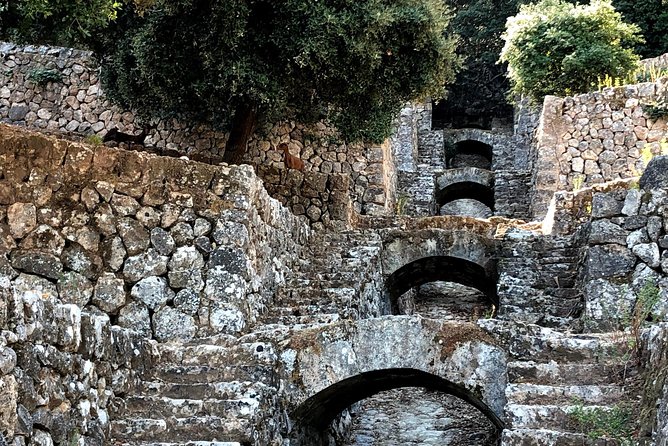
Your day begins with a short walk—about 10 minutes—to the Ermita de la Santísima Trinitat. This isn’t a long hiking day. It’s more like a palate cleanser: you arrive, slow down, and get a story tied to why this place matters.
What makes this first stop work is the pairing of quiet setting plus a simple, local treat. You’ll taste ensaimada while the guide shares a short but fascinating background about the spot. It’s a good way to get everyone in sync early, especially if you’re coming in from Palma and want a slower start.
Heads-up for planning: wear shoes you’re comfortable walking in. The day isn’t “hard,” but you’re on and off curbs and paths often enough that flip-flops feel like a gamble.
Stop 2: Miramar’s layered past, from monastery to grand summer home
Next up is Miramar, a place with a timeline you won’t get from a quick pass. It’s tied to Ramon Llull—the guide connects it to the founder/thinker story that connects to the site’s earlier monastery days. Later, it became linked to Archduke Luís Salvador of Austria, who used it as a summer mansion and hosted notable guests.
You get to experience the Byzantine gardens and also the interiors, which are described as full of stories and legends. This is one of those stops where the guide’s role really shows: the building isn’t just “pretty,” it’s explained like a living scrapbook.
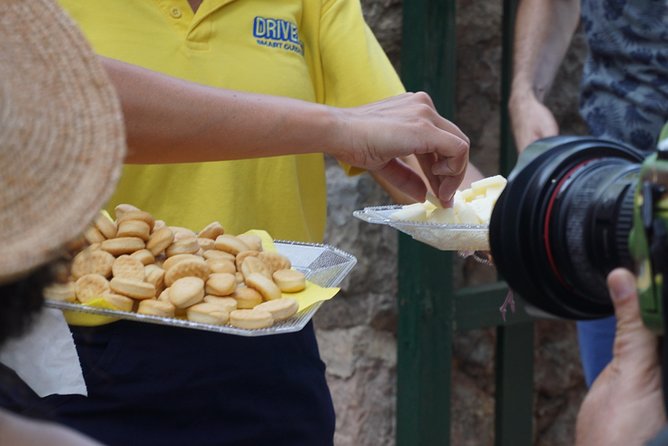
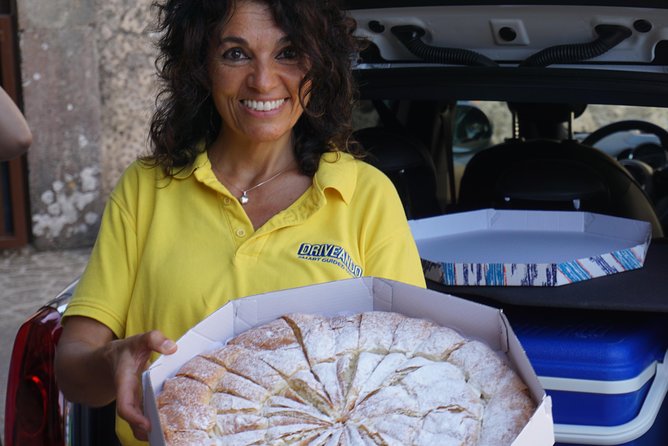
The stop ends with a taste of Quelitas with cheese—one of those snacks that feels simple, but after a day of drives and views, it hits the spot.
Possible drawback: this stop is time-boxed (about 45 minutes), so if you love lingering inside buildings, you may wish you had extra time to wander without a schedule.
Stop 3: La tafona de Can Det olive oil work, plus orange from the island
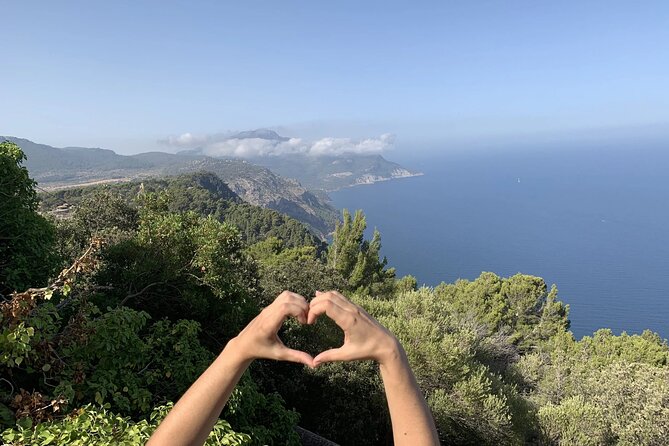
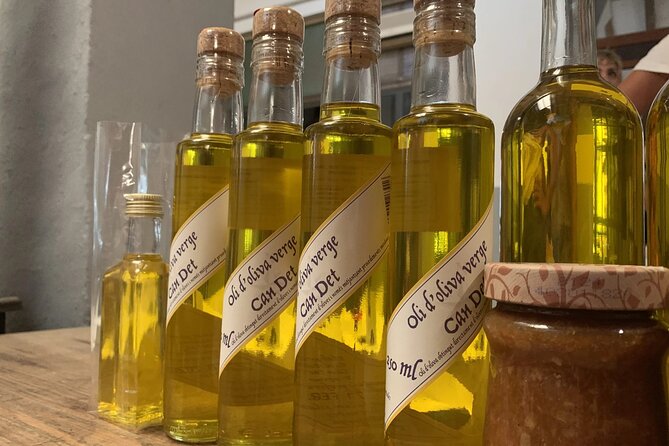
This is one of the most grounded, everyday-feeling stops on the route: La tafona de Can Det. You’ll learn about the process of producing olive oil, and you’ll also hear about the orange local crop, tying agriculture to what’s on your plate.
Unlike a lot of “photo-and-go” visits, this one is built around learning directly from a small family operation. The itinerary says the visit is done with the owners. That matters for value: you’re not just collecting facts; you’re seeing how locals talk about their work.
Admission is listed as included here, and one of the strongest parts of the day is that this food stop feels like you’re being brought into the family side of Mallorca, not just buying a souvenir snack.
- City Sightseeing Palma de Mallorca Hop-On Hop-Off Bus Tour★ 3.5 · 643 reviews
- 3 Hours E-Bike Tour in Palma★ 5.0 · 429 reviews
- Explore Mallorca in Your Own Formula One Car★ 4.5 · 388 reviews
- Discover Cala des Moro and S’Almunia the smart way★ 5.0 · 370 reviews
- Ticket Palma Aquarium★ 4.0 · 354 reviews
Stop 4: Algaida windmills—view the details, even if you can’t enter
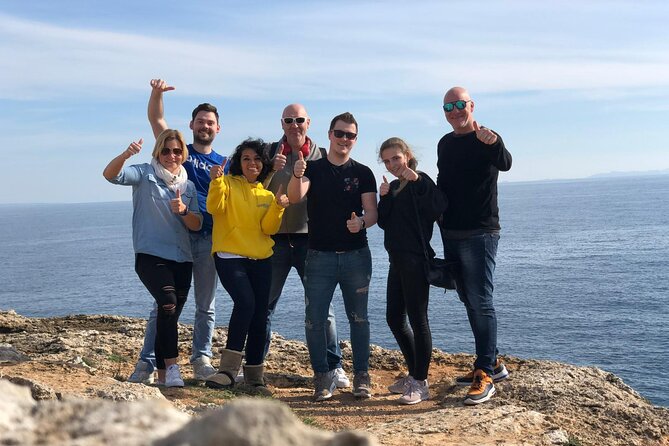
From there, you head toward Algaida, where you’ll see one of the best-preserved windmills in the area. The tour notes that you won’t be able to go inside because it’s private property, but you will be able to observe the structure and details from the outside.
The value here is perspective. Windmills on Mallorca aren’t just scenery. They’re a reminder of how energy and food were managed on an island long before electricity simplified life. With a guide, you’ll spot design features you’d likely miss if you were stopping randomly.
Time on site: about 20 minutes. Short, but enough for photos and the story.
Stop 5: Pina’s Cruz de Pina and Islamic-era washing places
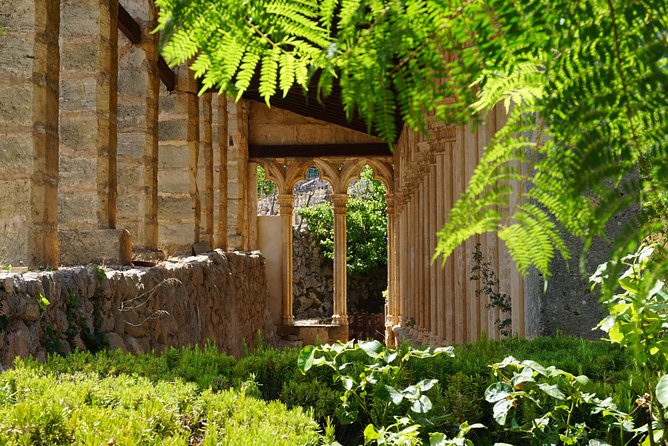
Your next village stop is Pina, a quiet place with around 500 inhabitants. You’ll walk to the Cruz de Pina, visit its fountain, and listen to the history of ancient washing places.
Here’s the cool part: these washing locations are described as a vestige of the Islamic period, and the guide connects it to hydraulic systems you can still see in the archaeological remains. It’s a reminder that “everyday infrastructure” from centuries ago still shapes how places look.
This stop lasts about 30 minutes. It’s also a good break from bigger viewpoints—more village scale, more human scale.
A quick pass through Lloret de Vista Alegre
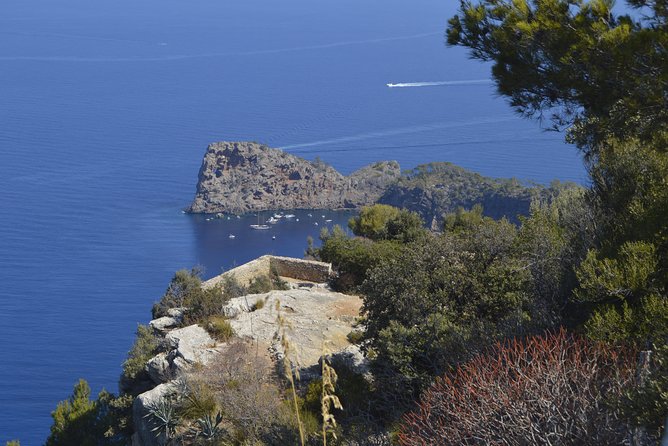
Continuing along the route, there’s a detour through Lloret de Vista Alegre (about 1,400 inhabitants). The tour says you won’t make a stop in the village, but you can cross its plains and hear history and traditions as you move.
This is a smart way to keep the day moving while still giving you the feeling of real Mallorca beyond the postcard points.
Stop 6: Montuïri and pa amb oli in a typical local setting
Montuïri is described as an example of rural, traditional Mallorca, perched on a hill with sweeping slopes. Outskirts of the village are where you’ll have your third planned stop, with time to recharge and eat.
This is where the tour’s focus on food gets specific: you’ll enjoy pa amb oli in a typical place visited by Mallorcans. That phrasing matters. It’s not meant as a gimmick; it’s meant to reduce the odds of you eating something that tastes like it was made for tourists first.
The stop runs about 45 minutes, which is long enough to slow down without turning into a sit-and-wait meal.
Stop 7: Santuari de Cura for 360-degree views over Mallorca
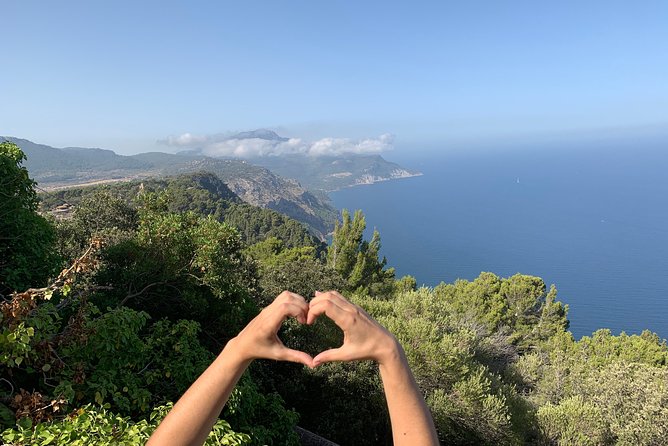
Santuari de Cura is the day’s big sky moment. You’ll cross Randa first, then head up toward the sanctuary, which sits around 550 meters above sea level. The reward: 360º views of Mallorca.
On clear days, the tour notes you can see Cabrera from here. Even if you don’t catch it, you’ll still get a sweeping sense of how the island sits—farms, valleys, and coastlines stitched into one view.
You’ll spend about 45 minutes at the sanctuary. That time usually works well: long enough to take photos and listen, short enough to keep the schedule flowing toward the coast.
Stop 8: Son Mut Nou and the world’s large fig experimentation field
Next is Son Mut Nou, the tour’s unusual stop of the day. You’ll visit the finca where the largest fig tree experimentation field in the world is listed, with 1,724 fig trees covering more than 830 varieties from around the world.
This isn’t just a random “nice garden” stop. It’s about agriculture research—Mallorca has long grown and experimented with crops, and this gives you a tangible example of that.
Admission is included. Time on site is about 45 minutes, which is plenty to walk the area and let the guide put the number-heavy facts into plain language.
Stop 9: Far de Cap Blanc lighthouse—built 1862, still a working coast landmark
Now the route shifts into coast mode. At Far de Cap Blanc, you’ll see one of Mallorca’s most dramatic viewpoints: a lighthouse built in 1862. It’s still in operation and is under public management, but you can’t visit inside.
What you do get: a walk around the lighthouse area to admire it like a window to the Mediterranean, plus photo time and a freshly baked ensaimada.
This stop lasts about 20 minutes. It’s short on purpose. The goal is to give you the view, not to turn the schedule into a slow crawl.
Practical note: coastal winds happen. A light layer can make this much more comfortable.
Stop 10: Cala Pi tower and the cliff view down to turquoise water
On the way to the salt flats, you stop at the tower of Cala Pi and the cliff line that leads down to the beach of Cala Pi. The description emphasizes the water color—turquoise and crystal-clear—so think “viewpoint first,” with the beach as the image you take away.
You’ll have about 20 minutes for this stop. That’s enough to capture the tower and cliff perspective, then move on before the sun angle changes too much.
Stop 11: Es Trenc salt marshes—ecosystems, stages, and Quelitas with cheese
Your last major stop is Flor de Sal d’Es Trenc, the salt marshes near Es Trenc. This is the route’s most “working landscape” moment in the best sense: you’ll see ponds where the salt concentration increases, and you’ll hear how salt production can coexist with wildlife.
A representative from the salt-producing company gives an illustrated talk on how the salt works and the stages that lead to the salt that ends up on tables. Then the visit ends with tasting Quelitas biscuits with cheese.
Time here is about 40 minutes, and admission is included. It’s a satisfying wrap-up: you end the day learning something practical, then eating something local.
Food you’ll actually want to remember (pa amb oli, ensaimada, and Quelitas)
This tour’s food strategy is simple: local staples tied to real places.
- Ensaimadas show up at early and coastal stops, including the Ermita area and near Far de Cap Blanc.
- Quelitas with cheese appears at Miramar and again at Es Trenc, reinforcing the connection between snack and region.
- Pa amb oli is the Mallorca classic you’ll get at Montuïri, served in a typical local setting visited by Mallorcans.
- The tour’s food highlights also mention trying regional dishes like gató, so your guide may point you toward what’s available in that moment or what the local favorites mean.
If you’re thinking about what to eat on Mallorca, this is one of the best ways to build your personal shortlist without taking detours to tourist menus.
Value check: $150.60 for a full day that includes real admissions
At $150.60 per person for roughly 6 to 7 hours, the value depends on what you hate about typical tours. If you dislike wasting your day on big bus transfers and repetitive food, this route makes a strong case.
Why it feels like good value:
- You’re not paying just for transport. Some stops include admission tickets: La tafona de Can Det, Son Mut Nou, and Flor de Sal d’Es Trenc.
- The rest includes free stops with meaningful viewpoints and stories, so you’re getting a lot of “site value” per hour.
- Multiple tastings break up the day, so the experience feels fuller than just photos at numbered spots.
Also, you’re getting what’s hard to replicate on your own: guidance. Even the windmill and heritage washing places become more interesting once someone connects the dots for you.
Who should book this Mallorca Hidden Marvels day
This tour is a great match if you:
- Want small-group touring (max 18) with a real guide in the mix
- Like day trips that balance views + food + local production
- Prefer places you can’t easily find or understand by yourself—especially when history is part of what makes a stop matter
It may be less ideal if you:
- Want a slow pace with long time inside museums or monuments
- Dislike car time and scheduled stops
- Need full access to interiors at every stop (some sites here can’t be entered, like the private windmill and the lighthouse interior)
Should you book Mallorca Hidden Marvels?
If your goal is to see Mallorca beyond the obvious cruise-landing routine, I’d lean yes. The structure is built around several types of experiences—chapel peace, monastery-to-mansion stories, family olive oil production, a windmill history break, salt marsh work with an actual explanation, and a consistent food trail.
Where it really wins is the combination of small-group scale and a guide who can make each stop feel connected. Names like Birgit and Alvaro have shown up in past bookings, and both are highlighted for island-rooted context and adding extra cultural viewpoints when possible.
Book it if you want a day that feels like a smart local friend showing you the island one good turn at a time.
FAQ
What time does the tour start?
The tour starts at 10:00 am.
Is pickup included?
Yes. The instructions say to wait for the drivers outside your hotel, apartment, or private house.
How long is the tour?
It runs about 6 to 7 hours.
How big is the group?
The tour has a maximum of 18 travelers.
Is it offered in English?
Yes, it’s offered in English.
Are admission tickets included?
Some stops include admission tickets: La tafona de Can Det, Son Mut Nou, and Flor de Sal d’Es Trenc. Other stops list admission as free.
Is the tour mostly walking?
There is some walking. For example, the first stop includes about a 10-minute walk. Other stops are shorter walks or viewpoints.
Are food tastings included?
Yes. The route includes tastings such as ensaimada, Quelitas with cheese, and pa amb oli, plus food linked to the salt marsh and oil press stops.
Can I bring a service animal?
Yes. Service animals allowed is listed.
Can I cancel and get a full refund?
Yes. The policy states free cancellation and you can cancel up to 24 hours in advance for a full refund.
Easier With a Mallorca Guide
- Palma de Mallorca : Private Custom Walking Tour with A Guide
★ 4.0 · 42 reviews - Mallorca Southern cliffs and the Salt Marshes guided Tour
★ 5.0 · 7 reviews - “Best Beaches Mallorca Experience with Guide, SUP, and Snorkel”
★ 4.0 · 6 reviews - Private 4-hour tour of Palma de Mallorca w/ driver & guide (Hotel/port pick up)
★ 3.5 · 3 reviews
More Mallorca Trips, Reviewed
- City Sightseeing Palma de Mallorca Hop-On Hop-Off Bus Tour
★ 3.5 · 643 reviews - 3 Hours E-Bike Tour in Palma
★ 5.0 · 429 reviews - Explore Mallorca in Your Own Formula One Car
★ 4.5 · 388 reviews - Discover Cala des Moro and S’Almunia the smart way
★ 5.0 · 370 reviews - Ticket Palma Aquarium
★ 4.0 · 354 reviews - “Cala Millor & Sa Coma: TOP Buggy Tours – your mega experience!”
★ 4.5 · 340 reviews
Just Reviewed: Fresh Mallorca Trips
Guided, compared.
 ★ 4.9Guided Tour of the Old TownFrom $46822 reviews
 ★ 3.9Palma: Caves of Genova Ticket & Digital Audio GuideFrom $14820 reviews
 ★ 4.6Palma de Mallorca Old Town Guided Bike Tour (Small Groups)From $58563 reviews
 ★ 4.8Cala Varques: Guided Sea Caves Kayak & Snorkeling ExpeditionFrom $87534 reviews
 ★ 4.7Cala Millor/Sa Coma: Guided Buggy TourFrom $104348 reviews
 ★ 4.0Son Moix Stadium Guided TourFrom $21263 reviews
 ★ 4.9Sightseeing Segway Tour with Local GuideFrom $42242 reviews
 ★ 4.8Guided Horseback Ride in Randa ValleyFrom $116239 reviews