
Reviewed · SERRA DE TRAMUNTANA & SóLLER TRAIN
Sóller: Jardines de Alfabia Entrance Ticket
Plant scent and centuries share the same path. This visit in Sóller pairs Alfabia gardens influenced by Arab design with an eye-opening 500+ year house where Roman, Arabic, Gothic, Renaissance, Baroque, Rococo, and even English decorative touches all coexist. One watch-out: depending on the season, the flower show can feel quieter—February is lovely, but late fall or winter may mean fewer blooms.
I like that it’s not just a quick look at pretty greenery. You walk a designed garden route (including a wide avenue lined with large plane trees) and then shift indoors to see how Mallorca’s layers of culture were built, rebuilt, and preserved in one place. The experience is ideal for a relaxed 1-day stop, but you’ll want to time it well because the last entrance is 60 minutes before closure, and you’re asked to wear an identification bracelet during your visit.
In This Review
- Key highlights you’ll feel in your feet and eyes
- Alfabia in the Serra de Tramuntana UNESCO zone: why the setting matters
- Inside the house: Roman-Andalusian roots plus Arabic, Gothic, Renaissance, Baroque, Rococo, and English
- The Arab-style gardens: the plane-tree avenue, fountains, and hydrangeas
- How much time you need (and how not to get rushed)
- Price and value: $11 for a UNESCO-area house and gardens
- Season and garden condition: early spring is the safest bet
- Getting there from Palma and the Sóller area
- Should you book the Sóller Alfabia entrance ticket?
- FAQ
- How much does the Sóller Alfabia entrance ticket cost?
- How long is the visit?
- What’s included in the ticket price?
- Where is Alfabia located?
- What can I see during my visit?
- What garden features are part of the experience?
- When is the last time I can enter?
- How can I get there from Palma?
- Can I reach the area by train?
- Do I need to wear anything during the visit?
- What cancellation options are available?
Key highlights you’ll feel in your feet and eyes
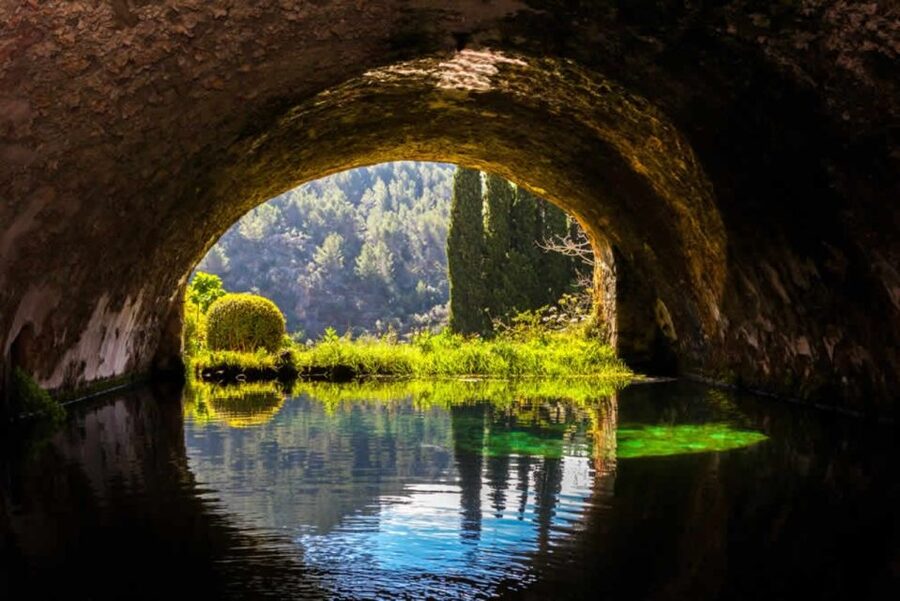
- Arab-style gardens inside the Tramuntana UNESCO zone give you a calm setting for slow strolling.
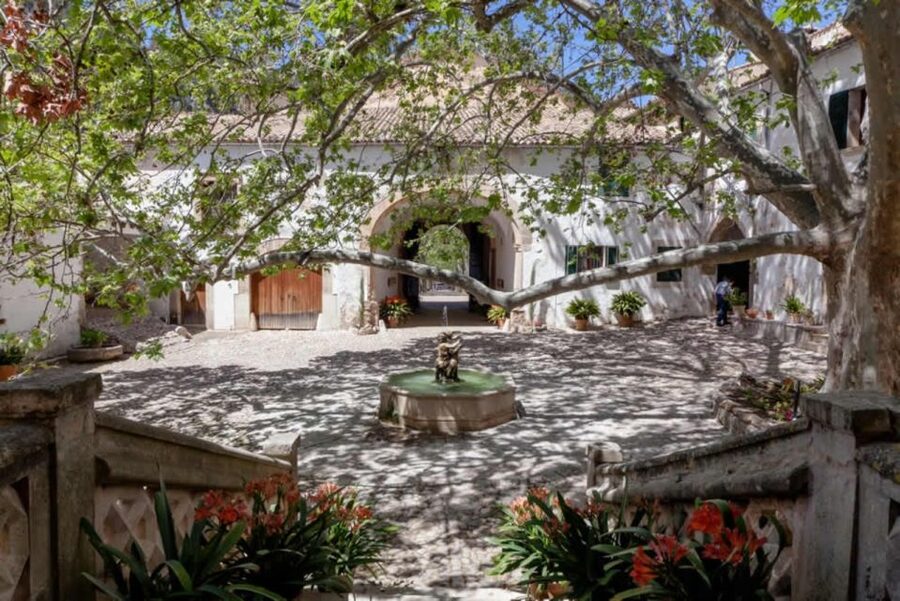
- A three-lane plane-tree avenue leads you toward a traditional Mallorcan patio.
- A centuries-mixed house blends Roman-Andalusian roots with Arabic, Gothic, Renaissance, Baroque, Rococo, and English touches.
- Fountains and hydrangeas add cool, sensory moments during the walk.
- English landscaping influence shows up in the garden layout, not just in names or vibes.
Alfabia in the Serra de Tramuntana UNESCO zone: why the setting matters
Alfabia is located in the Serra de Tramuntana, part of Mallorca’s UNESCO World Heritage landscape. That matters because the scenery and the “sense of place” are part of the experience, not just the ticketed sights. Even if you’re primarily there for the house and gardens, you’re doing it in one of Mallorca’s most storied mountain regions—cooler air, dramatic views depending on where you stand, and a stronger connection to how people historically lived with the land.
This is also a good antidote to the usual resort bounce. The complex is built around a typical Mallorcan house surrounded by Arab-style gardens. So you’re moving through a carefully arranged world where architecture and water-and-plants design are meant to work together. If you enjoy places where history can be seen in physical details—materials, layouts, and design choices—this one will click fast.
The big practical upside: it’s a compact, 1-day option. You’re not signing up for a half-island journey. You’re buying entry to a specific, defined complex, which makes it easier to slot into your itinerary.
Up into the Tramuntana, more mountain days


Inside the house: Roman-Andalusian roots plus Arabic, Gothic, Renaissance, Baroque, Rococo, and English
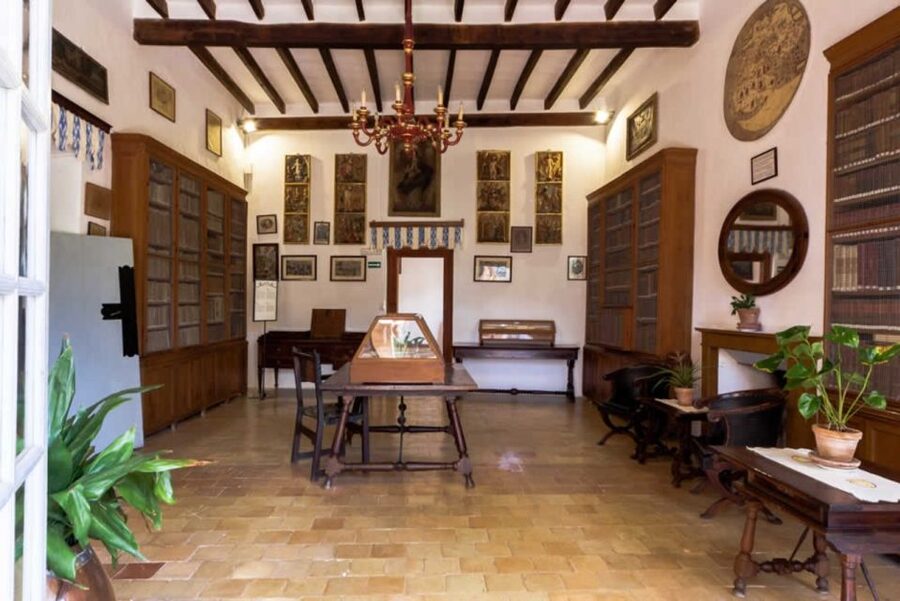
The house at Alfabia is the centerpiece for anyone who likes to read a building like a timeline. The highlight here is the combination of Roman-Andalusian roots with layers of decoration and style from multiple eras. It’s described as a stunning blend: Arabic, Gothic, Renaissance, Baroque, Roman, Rococo—and even English decoration.
Here’s what that means for you while you’re walking:
- You won’t experience one “pure” style room. Instead, you’ll keep spotting changes—how one era’s preferences sit alongside another’s.
- You get a real sense of continuity, because traces of each period remain visible, rather than being smoothed away into one uniform look.
- The overall complex is presented as balanced: the evolution of the property is shown while still respecting what already existed.
One phrase I’d translate into plain travel logic is conservation plus innovation. In other words, this isn’t just a museum-in-a-box. It feels like a place that has been cared for and adapted over time, not locked away and forgotten.
One note on expectations: if you’re the type who needs everything to feel perfectly coordinated, you might find the mix a little uneven in places. In October, one visitor felt the exhibition lacked coherence. That’s not necessarily a dealbreaker—it’s more about whether you like “layers” or you prefer a single style narrative.
The Arab-style gardens: the plane-tree avenue, fountains, and hydrangeas
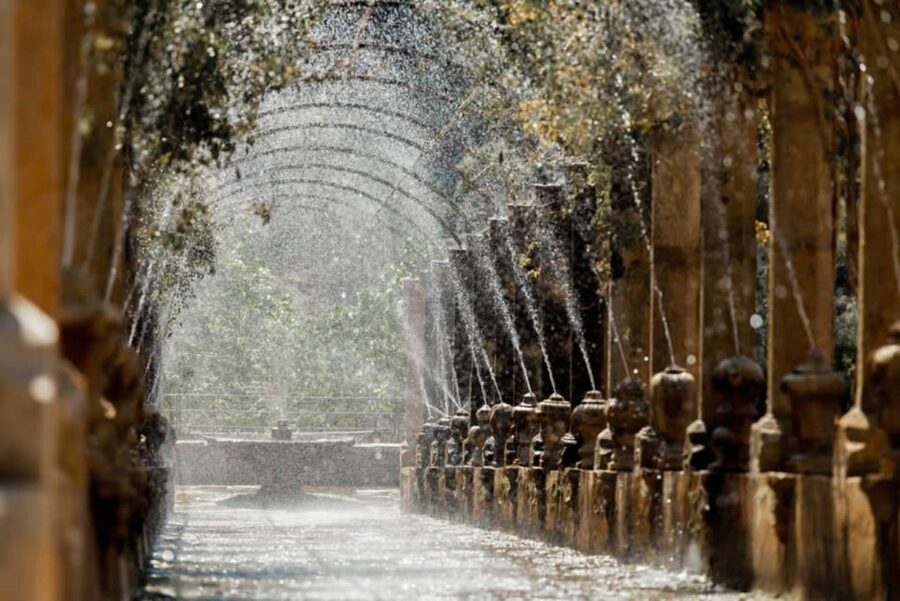
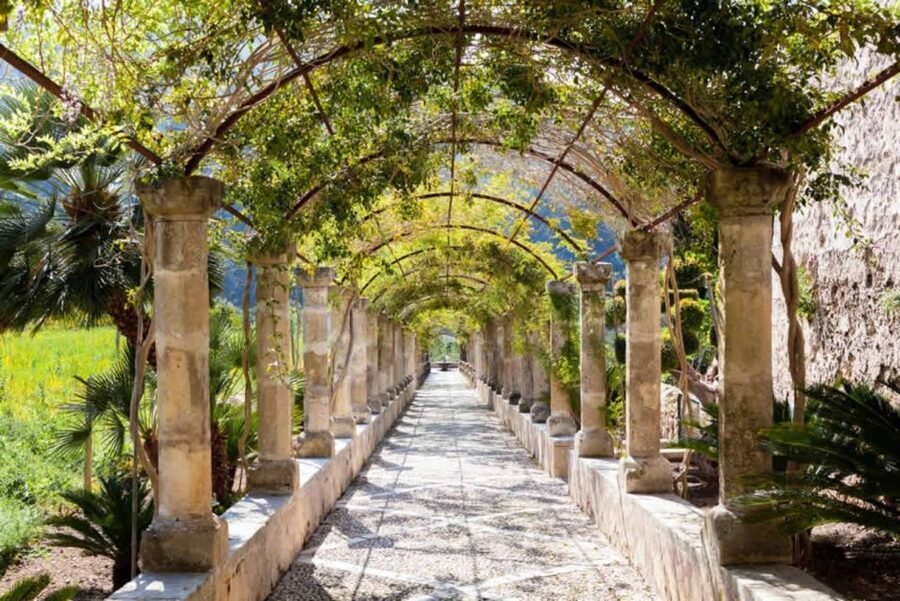
If the house is the “history readout,” the gardens are the “body experience.” The garden concept is Arab-style, but it also shows a clear English landscaping influence in the layout and the walkways.
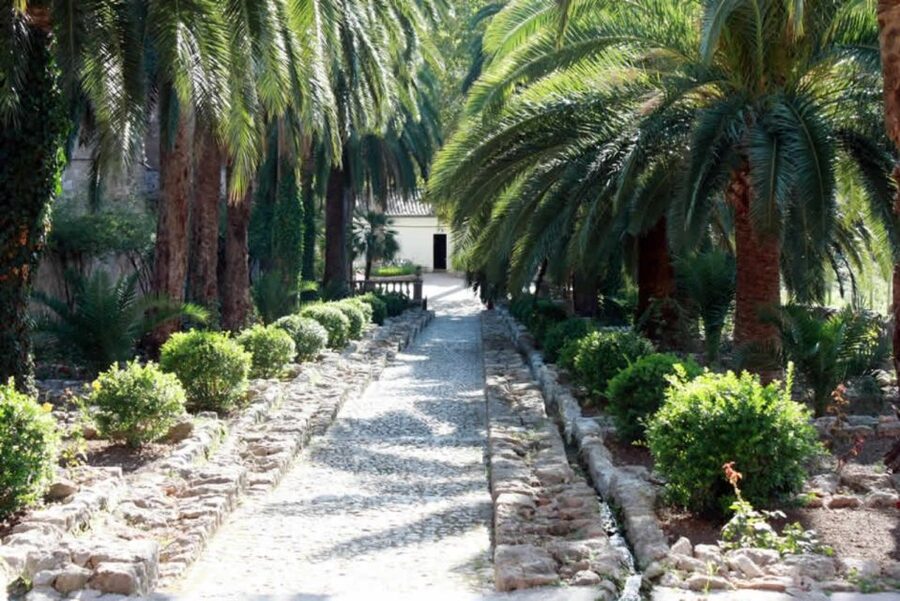
The key path detail is the wide avenue that’s made of three lanes of large plane trees. This is the kind of garden design that does two things:
- It creates a processional feel—like you’re walking toward a destination, not randomly passing plants.
- It frames views as you go, so you naturally pause in the right spots for photos and for that slow, quiet moment.
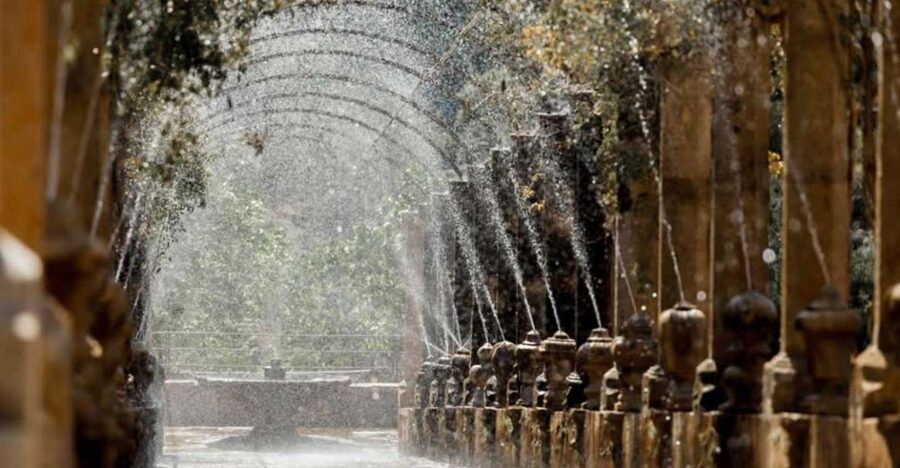
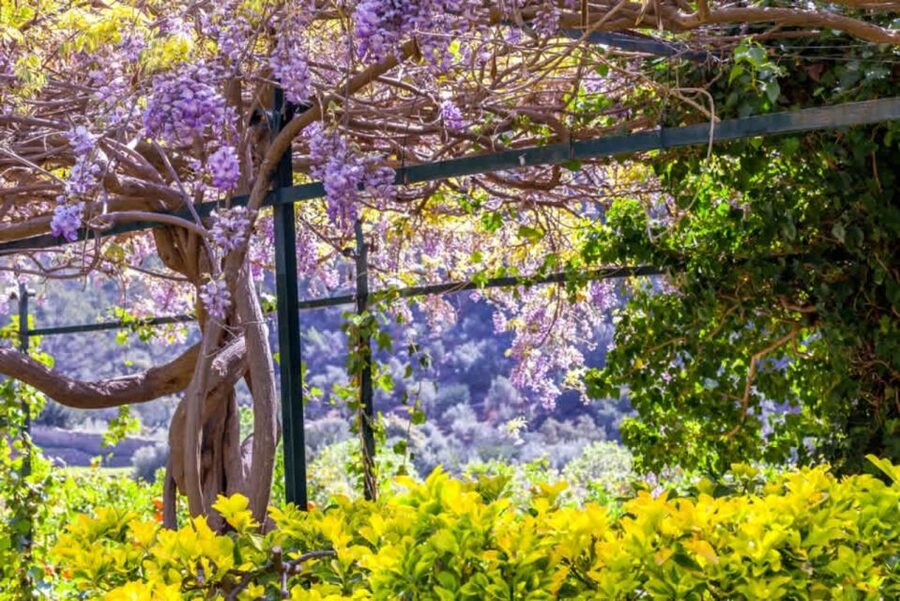
As you move through, you can also look for water fountains and hydrangeas. That combination matters because it shifts the garden from “pretty” to “refreshing.” Water brings cooling, sound, and movement. Hydrangeas add seasonal color and texture, which can make the whole place feel brighter when they’re in bloom.
If you’re a plant person, you’ll likely enjoy the way the garden uses both structure and softness: straight avenues and planted borders, then open patio-like spaces where the design relaxes.
Potential drawback again, tied to timing: the gardens are still beautiful outside the peak bloom season, but some periods may feel lighter on flowers. One October review described a poor period with few blooms and even reported some trees in illness. If your top priority is maximum flowering, plan closer to early spring.
How much time you need (and how not to get rushed)
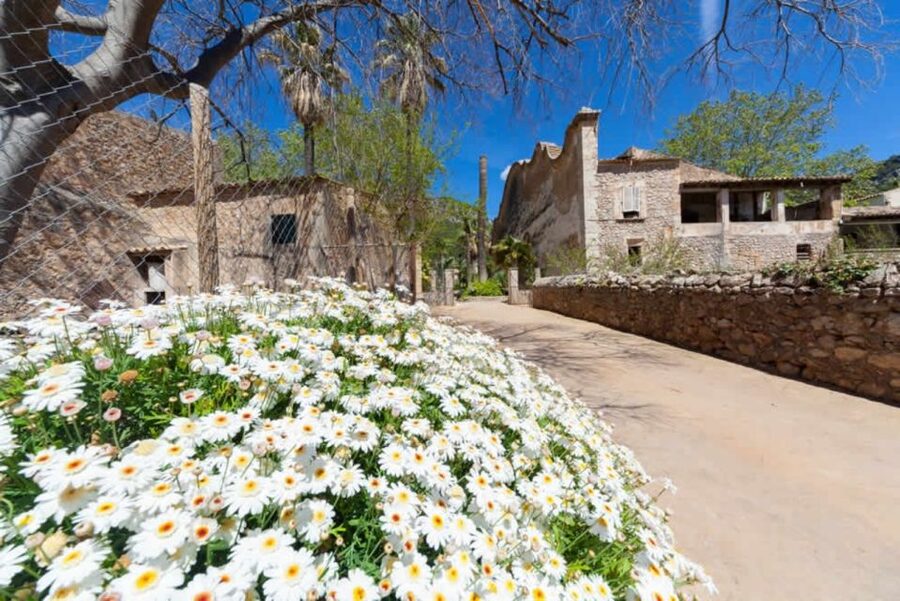
Your ticket is valid for 1 day, and you’ll have starting times to check based on availability. You don’t need a full day in the sense of wandering Mallorca’s entire countryside—but you also don’t want to sprint through the garden and then feel rushed inside.
The most important timing detail is this: last entrance is 60 minutes before closure. That means you should build in at least a bit of slack. If you arrive late, you may find you have to skip parts or shorten your indoor viewing.
A practical pacing strategy:
- Start outdoors first so you get the sensory payoff (shade, fountains, hydrangeas).
- Then spend enough time indoors to actually notice the stylistic layers. The house mix is what makes Alfabia memorable, and it takes more than a quick glance to register.
Also, you’ll be asked to wear an identification bracelet during the visit. It’s not a hardship, but it’s another reason to arrive with a plan and be ready for a smooth entry.
Worth weighing up before you book this Mallorca trip:
- Porto Cristo: Caves of Hams Entry Ticket★ 4.2 · 6,548 reviews
- Mallorca: Palma Aquarium Entry Ticket w/ Optional 3D Cinema★ 4.5 · 3,076 reviews
- Mallorca: Dinosaurland and Caves of Hams Combined Ticket★ 4.5 · 1,167 reviews
- Manacor: Rafa Nadal Exhibition Entry Ticket★ 4.6 · 836 reviews
- Palma: Caves of Genova Ticket & Digital Audio Guide★ 3.9 · 820 reviews
Price and value: $11 for a UNESCO-area house and gardens
At about $11 per person, the value is strong—especially because entrance fees are included, and you’re getting access to both:
- a very old house with multi-era decorative influences
- the Arab-style gardens with English landscaping elements
So you’re not paying just for a courtyard photo op. You’re paying for an entire designed complex—architecture plus garden route—where the setting is also part of the UNESCO Tramuntana context.
Who tends to get the most value:
- People who like design details: the kind of traveler who notices how a space is laid out, not just what it looks like.
- Garden-and-history lovers who want one stop to satisfy both interests.
- Visitors who want an easy 1-day addition without committing to a long day trip.
Who might not love it as much:
- If you need constant action, entertainment, or a lot of different “rooms” to bounce between, the pace may feel calm and controlled.
- If you’re going specifically for abundant flowering at all costs, you may want to time your visit carefully (more on that next).
Season and garden condition: early spring is the safest bet
One thing I really appreciate about Alfabia is that it still works outside summer crowds—but flowers are seasonal, and conditions can vary.
Here’s what you should take from the real-world experiences:
- Even in February, the gardens were described as beautiful and charming. That’s a good sign if you’re visiting in the off-season.
- Early spring is recommended because everything starts to bloom and the place feels more colorful.
- In October, one visitor found the gardens less well maintained, with many sick trees, and noted fewer flowers due to the time of year.
So how do you protect yourself from disappointment? Think of Alfabia like a book with different chapters by season. The architectural mix and the garden structure are consistent. The “wow” factor from flowers can shift. If flowering is a top priority, lean toward early spring. If you’re more interested in the layout, fountains, and the house’s layered design, you’ll probably still enjoy it in cooler months.
Getting there from Palma and the Sóller area
You’ve got two practical ways to reach the area:
- Bus from Palma using Line 211 (check departure times here: https://www.tib.org/es/web/ctm/autobus/linia/211)
- The Sóller Train (check departure times here: http://trendesoller.com/horarios)
Why this helps you plan: using public transport keeps the day simple. Mallorca can be tricky if you’re trying to coordinate limited driving options and parking. With these transit options, you can focus on when you need to arrive—especially because of the last entrance rule.
Should you book the Sóller Alfabia entrance ticket?
Book it if you want one calm, high-value visit that mixes Arab-style gardens with a house where multiple eras left real traces—without turning your day into a logistical headache. The $11 price point is especially persuasive for what you actually see: a major designed complex in the Tramuntana UNESCO setting, with fountains, hydrangeas, a signature plane-tree avenue, and a house that reads like an architectural timeline.
Skip or rethink it if your main goal is maximum flowering every day of the year, or if you need a perfectly unified, “everything matches” museum presentation. Garden conditions and bloom levels can vary by season, and not every visit hits the same note.
If you’re flexible and you like slow walking, then this is a smart use of a 1-day slot.
FAQ
How much does the Sóller Alfabia entrance ticket cost?
The price is listed as $11 per person.
How long is the visit?
The ticket is valid for 1 day.
What’s included in the ticket price?
Entrance fees are included.
Where is Alfabia located?
It’s in Sóller, Spain, in the Serra de Tramuntana area (a UNESCO World Heritage Site).
What can I see during my visit?
You can explore a typical Mallorcan house with over 500 years of history and visit the Arab-style gardens.
What garden features are part of the experience?
You’ll find refreshing Arab-style gardens with water fountains and hydrangeas, plus an English landscaping influence including a wide, three-lane avenue of large plane trees.
When is the last time I can enter?
The last entrance is 60 minutes before closure.
How can I get there from Palma?
You can use public transportation, including Palma bus Line 211. You can check times at: https://www.tib.org/es/web/ctm/autobus/linia/211
Can I reach the area by train?
Yes. You can use the Sóller Train, and you can check departure times at: http://trendesoller.com/horarios
Do I need to wear anything during the visit?
You’ll be asked to wear an identification bracelet during the visit.
What cancellation options are available?
Free cancellation is available up to 24 hours in advance for a full refund.
Entry Sorted Before You Land
- Palma: Cathedral of Mallorca Skip-the-Line Entry Ticket
★ 4.6 · 14,386 reviews - Porto Cristo: Caves of Hams Entry Ticket
★ 4.2 · 6,548 reviews - Mallorca: Palma Aquarium Entry Ticket w/ Optional 3D Cinema
★ 4.5 · 3,076 reviews - Mallorca: Dinosaurland and Caves of Hams Combined Ticket
★ 4.5 · 1,167 reviews - La Almudaina Palace Entry Ticket
★ 4.4 · 874 reviews - Manacor: Rafa Nadal Exhibition Entry Ticket
★ 4.6 · 836 reviews
More Mallorca Trips, Reviewed
- Palma: Cathedral of Mallorca Skip-the-Line Entry Ticket
★ 4.6 · 14,386 reviews - Palma de Mallorca: 5-Hour Catamaran Cruise with Lunch & Swim
★ 4.5 · 9,957 reviews - Porto Cristo: Caves of Hams Entry Ticket
★ 4.2 · 6,548 reviews - Palma de Mallorca: City Sightseeing Hop-On Hop-Off Bus Tour
★ 4.1 · 4,450 reviews - Mallorca: Island Tour with Boat, Tram & Train from the South
★ 4.4 · 3,888 reviews - Palma de Mallorca: Half-Day Catamaran Tour with Buffet Meal
★ 4.5 · 3,190 reviews
The Tramuntana, a Few More Ways
- Soller: Sa Calobra & Cala Tuent Speedboat Tour
★ 4.7 · 1,513 reviews - Sóller: Boat Trip to Sa Calobra and Torrent de Pareis
★ 4.4 · 690 reviews - Mallorca: Valldemossa & Soller Tour
★ 4.2 · 615 reviews - Alcudia/Marratxi: Valldemossa & Soller Tour by Tram & Bus
★ 4.7 · 499 reviews - Mallorca Full-Day VIP Tour: Valldemossa, Deià & Sóller Experience
★ 5.0 · 270 reviews - Palma: Tramuntana Full-Day Tour with Sóller Train and Lunch
★ 4.9 · 213 reviews
Just Reviewed: Fresh Mallorca Trips


Serra de Tramuntana & Sóller Train, compared.
 ★ 4.7Soller: Sa Calobra & Cala Tuent Speedboat TourFrom $581,513 reviews
 ★ 4.4Sóller: Boat Trip to Sa Calobra and Torrent de PareisFrom $40690 reviews
 ★ 4.2Valldemossa & Soller TourFrom $51615 reviews
 ★ 4.7Alcudia/Marratxi: Valldemossa & Soller Tour by Tram & BusFrom $58499 reviews
 ★ 5.0Mallorca Full-Day VIP Tour: Valldemossa, Deià & Sóller ExperienceFrom $114270 reviews
 ★ 4.9Palma: Tramuntana Full-Day Tour with Sóller Train and LunchFrom $230213 reviews
 ★ 4.5Valldemosa and Valley of Soller Tour in MallorcaFrom $59192 reviews
 ★ 4.5From Palma: Serra Tramuntana and Lluc Monastery Guided TourFrom $117146 reviews
Browse the lists this tour appears in