
Reviewed · COASTEERING & CLIFF JUMPING
Serra de Tramuntana: Canyoning and boat return
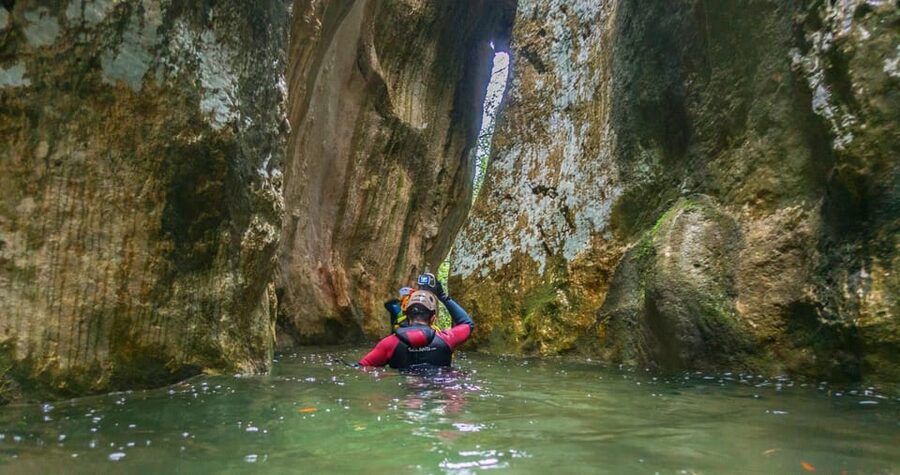
Wild water meets wild coast. Mortitx canyon is one of Mallorca’s most dramatic descents, with karst jumps, slides, climbs, and overhangs that keep it exciting for about two hours. I also really like the boat return—you finish the ravine at sea, then cruise around an isolated stretch of the Tramuntana coast with big cliffs, coves, and even a chance of dolphins. One thing to consider: it’s water time in a wetsuit, and you should keep valuables secured and minimal—there’s at least one reported incident involving missing cash after gear was handled by boat staff.
This whole day is built around the Serra de Tramuntana vibe: remote places, real nature, and no fluffy detours. You’ll meet at Cala Molins (just in front of Bar Mallorca) and get fully kitted with a local guide and technical equipment before heading toward the torrent area. If you’re sensitive to cold water or you’re bringing more stuff than you need, plan to travel light.
In This Review
- Key things I’d focus on before booking
- From Cala Molins to Mortitx: how the day actually flows
- Entering the Torrent Fondo de Mortitx: getting ready for the water park feeling
- The canyon descent: where the adrenaline comes from (and where it stays fun)
- The speedboat pickup: how you turn a gorge exit into a coast cruise
- The 16 km return by boat: remote north coast you can only really see from water
- What’s included (and what that means for your day)
- Price and value: why $147 can be either a steal or a gamble
- Safety, handling gear, and the one red-flag story to learn from
- Who this fits best (and who should skip it)
- Practical tips so you enjoy Mortitx more (and worry less)
- Should you book the Mortitx canyoning + boat return?
- FAQ
- Where do we meet for the Mortitx canyoning and boat return?
- How long is the whole experience?
- How long do you spend canyoning?
- What equipment is included?
- How do you get to the Mortitx area before the canyon starts?
- What should I bring?
- Is this suitable for children?
Key things I’d focus on before booking
- Mortitx canyon in the north: water canyoning with karst formations, including jumps, slides, and climbs
- Two-hour canyon window: built for strong action without turning the day into a marathon
- Sea-to-sky boat payoff: speedboat waiting at the end at sea, then a long scenic coast cruise
- Remote coastline route: mentions Cambra de la Senyora, Cala Castell, Cala Estremer, and cliffs
- Historic stop sightline: you may view the ruins of Castell del Rei (15th century) from the water
- Big “bring less” value: you’re handling equipment and being on/near boats, so keep money and valuables out of backpacks
From Cala Molins to Mortitx: how the day actually flows
The day starts at Cala Molins (Cala Sant Vicenç, Pollença), right by Bar Mallorca. There’s free parking nearby, which matters here because you’re going to be wet and moving gear around, so you want a low-stress start.
After you arrive, you meet your local guide and the boat captain. You’ll get changed and equipped with the full kit: canyoning backpack, wetsuit, harness, and helmet (plus the other safety gear that’s part of the package). Then comes the first real “Mallorca north” moment: depending on sea conditions, you’ll go toward the Mortitx area either by boat or by minibus, and that transfer takes about one hour.
That one-hour run is more than just travel. It helps you avoid a long land slog before you even hit the water, and it keeps the day feeling like a single continuous adventure—land to sea, action to scenery.
Up into the Tramuntana, more mountain days

Entering the Torrent Fondo de Mortitx: getting ready for the water park feeling
Once you reach the area, you start with a hiking approach to the beginning of Torrent Fondo de Mortitx. The tour is described as an easy-level canyon when the return boat plan is in place, and the canyon is said to maintain good flow conditions through the year—so the experience is designed to work in multiple seasons, not just peak conditions.
What makes Mortitx special is the mix of terrain types you get in one system. You’re not just doing one “type” of obstacle. Expect:
- Jumps (where you can drop into water)
- Slides (smooth rock-to-water moments)
- Climbs and overhangs (where you use the harness and route-finding of the guide)
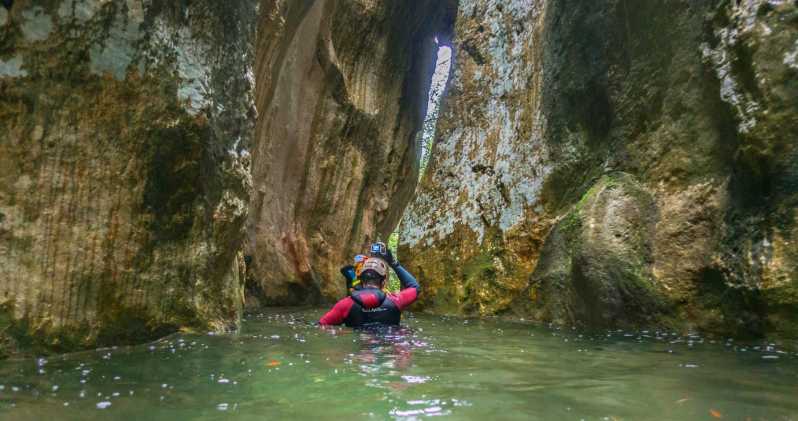
- A scenery of karst formations that looks and feels harsh—wild and inhospitable in a way that makes the ocean exit feel earned
This is the part of the day that turns “canyoning” into a story. If you like active travel—hands-on, physical, and outdoors—you’ll probably feel it most here. You’re moving through a natural channel that behaves like a water park, except it’s real, remote, and guided for safety.
The canyon descent: where the adrenaline comes from (and where it stays fun)
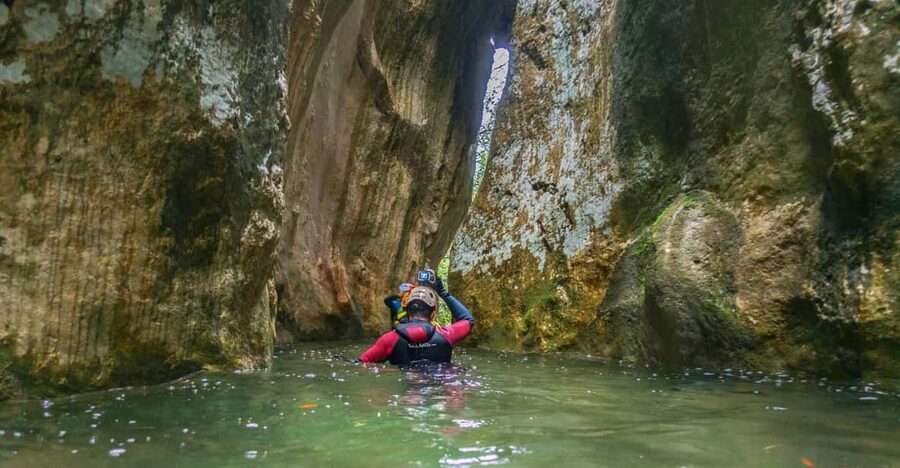
You’re on the water for about two hours, and that timing is key. It’s long enough to feel like an adventure with a rhythm—get kitted, approach, move, reset—without burning the entire day before the boat portion.
Also, the tour is set up so the exit happens at sea. That’s not a small detail. Finishing at the shoreline means you avoid the usual end-of-canyoning scramble where you’re still far from any “reward.” Here, the speedboat is waiting at the end point at sea, and you’re able to transition quickly into the coastal cruise.
From a value perspective, that’s a smart pairing. You’re paying for:
- qualified local guiding,
- full technical equipment,
- insurance coverage,
- and then the payoff of a boat ride that you wouldn’t have if you just did the canyon and tried to DIY the rest.
The speedboat pickup: how you turn a gorge exit into a coast cruise
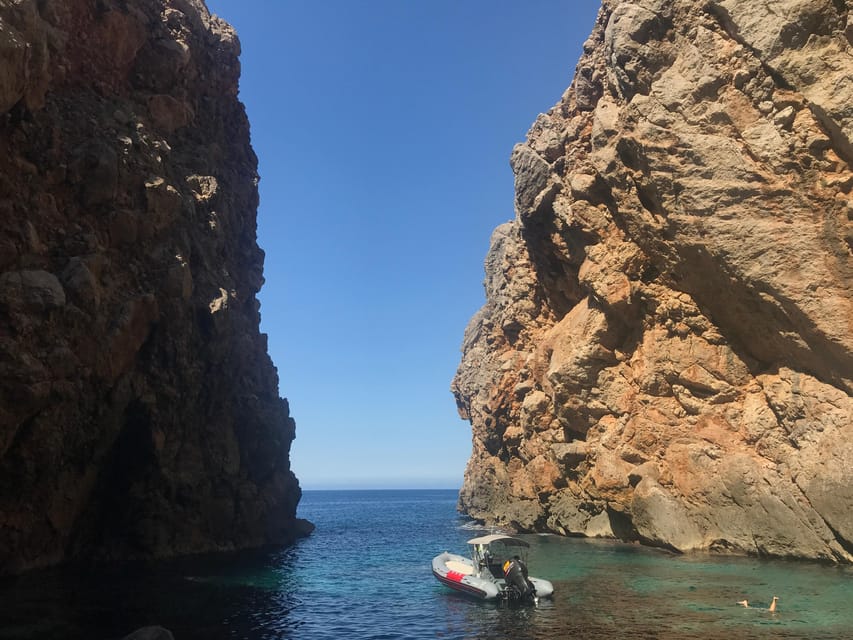
After the canyon, you end at sea, where the speedboat waits for you. This is the moment that changes the day’s tone. The canyon is close quarters—wet rock, harness, routes, steps. The boat is open: wind, cliffs, water color, and a sense that you’re leaving the wild interior behind and emerging into a coastline that’s hard to reach from land.
It’s also where the “everyone” suitability comes in—at least compared to more intense canyoning formats. The tour is framed as having a comfortable return by boat, and the overall structure makes the day easier to tolerate if you don’t want a full-body hike back uphill afterward.
One note: sea conditions influence how you get to the area in the first place. So even though the canyon itself is the main draw, the water-and-boat schedule is part of the experience you’re agreeing to.
Scramble, leap and swim, more coasteering
- Mallorca: Kayaking, Sea Cave, Cliff Jumping & Snorkel Tour★ 4.8 · 1,447 reviews
- Mallorca: Kayaking, Sea Cave, Cliff Jumping & Snorkel Tour★ 5.0 · 769 reviews
- Mallorca: Half-Day Coasteering Experience★ 4.7 · 447 reviews
- Estany d’en Mas: Coastal Hike, Abseil & Sea Cave Exploration★ 4.9 · 162 reviews
- Kayak Tour with Caves, Snorkeling and Picnic (+ Cliff Jump)★ 5.0 · 118 reviews
The 16 km return by boat: remote north coast you can only really see from water
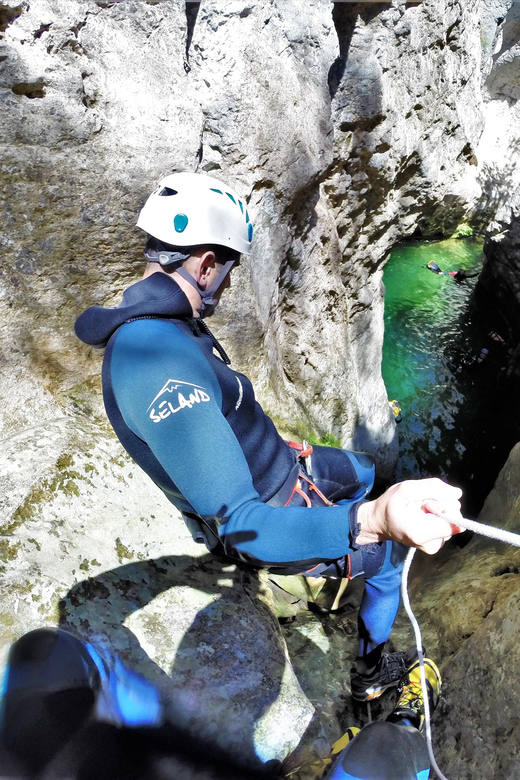
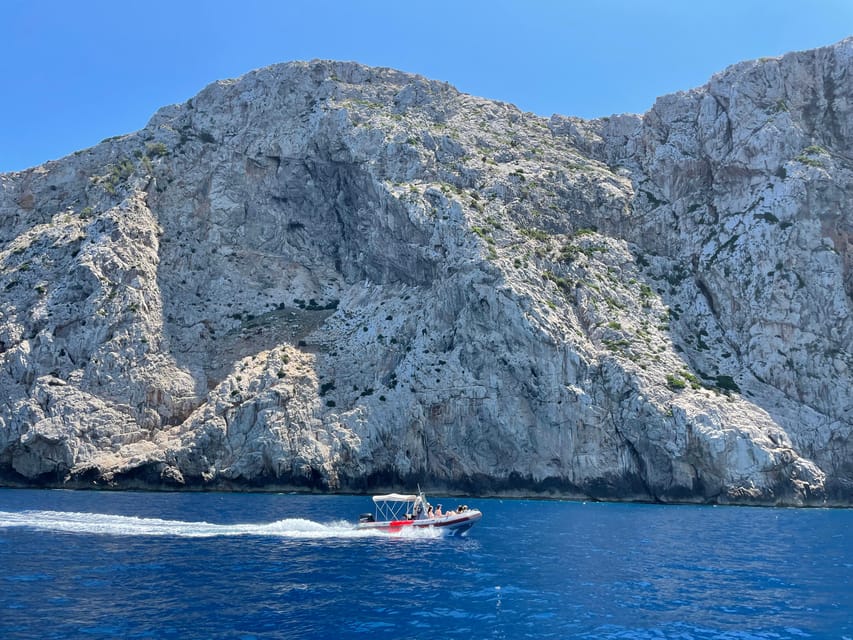
The return cruise is described as one of the highlights, and it’s not subtle. You’ll enjoy about 16 kilometers of virgin, completely wild coast in a part of Mallorca that’s described as among the most inaccessible on the island.
Along the route, you may see:
- Cambra de la Senyora
- Cala Castell
- Cala Estremer
- impressive cliffs
- the ruins of Castell del Rei (15th century)
And yes, there’s also a nature bonus mentioned: you might be accompanied by dolphins and flying fish during the return. That’s not something you can count on like a timetable, but it’s a real “why this beats a bus ride” detail. When animals show up, the whole coast cruise feels more alive.
If you’re the type who likes travel photos, this is where you’ll get them. But I also think the practical value is bigger than pictures. Being in a speedboat on a remote stretch gives you a perspective on Mallorca’s north coast that you just don’t get from a viewpoint pull-off. You see scale: cliff height, coves, and how the sea carves the rock.
What’s included (and what that means for your day)
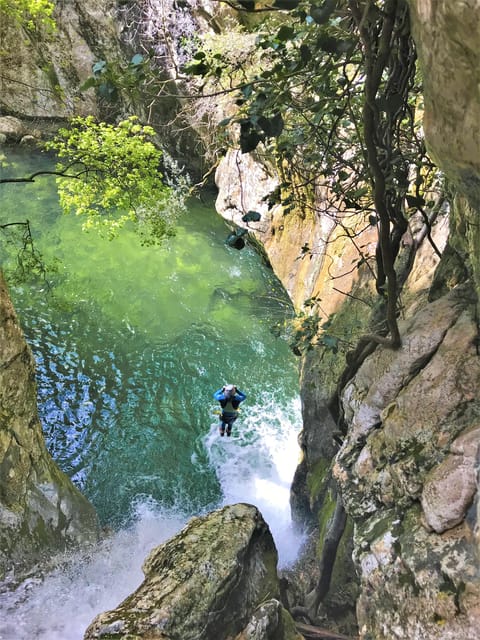
This tour is positioned as “gear-ready,” which matters because canyoning without the correct kit turns risky fast.
Included in the price:
- qualified local guide from the area
- full technical equipment
- neoprene suit
- accident and liability insurance
- first aid kit, plus a VHF radio and mobile phone for communication
You’re also told to bring your own basics (swimwear, snacks, sunscreen, water, sports shoes). So the tour handles the canyon-specific gear and safety systems. You handle the comfort items that stop your day from feeling miserable.
That’s good value. You’re paying not just for the descent, but for the safety net and the operational setup that makes it possible: harness, helmet, insurance, and trained guidance.
Price and value: why $147 can be either a steal or a gamble
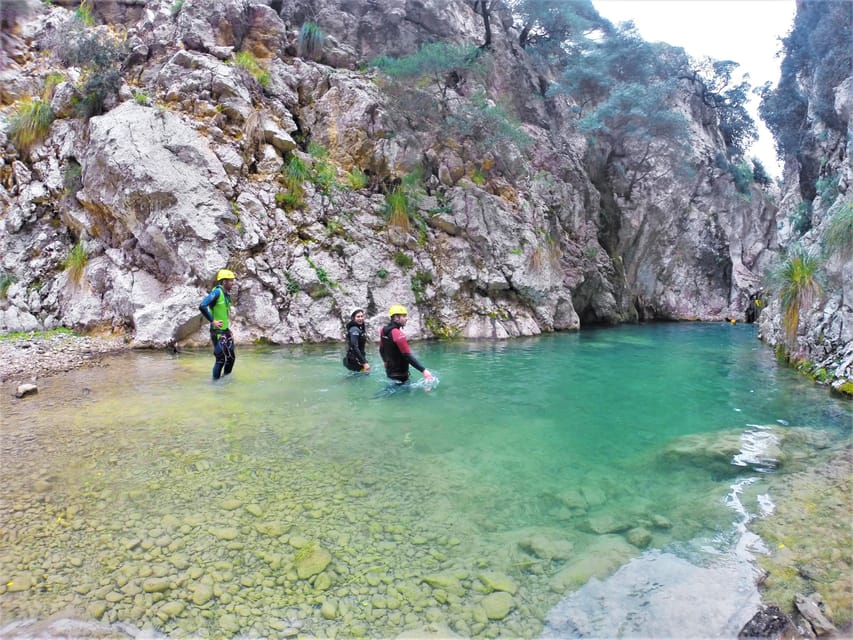
At $147 per person for a 6-hour outing with about two hours of canyon time and a boat return, you’re paying for the combination that’s hard to replicate on your own:
- a guided technical activity,
- full equipment and safety gear,
- insurance coverage,
- and a boat cruise on a remote coast.
If you’ve ever tried to plan canyoning yourself, you know the hidden costs: gear rental, local transport, and the safety planning you can’t really wing. Here, those pieces are bundled.
Still, be realistic. This isn’t a casual beach activity, and it’s not designed for kids under 12. You’ll want to be comfortable with wet conditions and working around equipment. And because sea conditions influence the approach by boat or minibus, the day’s rhythm can shift slightly.
Safety, handling gear, and the one red-flag story to learn from
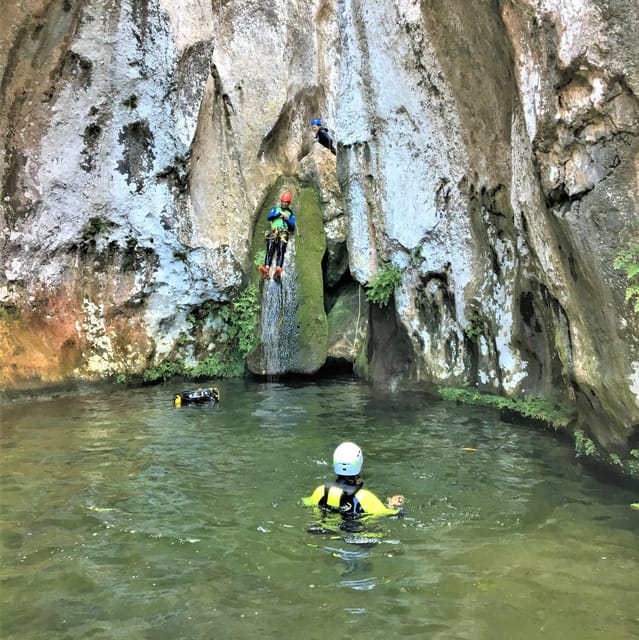
Safety is clearly built into the package: harness, helmet, wetsuit, first aid kit, accident and liability insurance, and radio communication. That’s the reassuring side.
But there’s also one sharply negative incident tied to the day. In one reported case (with a guide named Miguel described as top), a person said their bag was searched after they returned to the hotel area, and cash was missing. The same note says the person was asked to go file a complaint with boat staff.
I can’t confirm what happened, and I won’t treat it as proof of a systematic problem. But I can say this: treat valuables like they can go missing on any active day involving boats, transfers, and multiple hands on gear. Bring only what you need. Use a waterproof pouch for essentials. And if you’re carrying cash, keep it on your body rather than inside a pack that gets handled.
Who this fits best (and who should skip it)
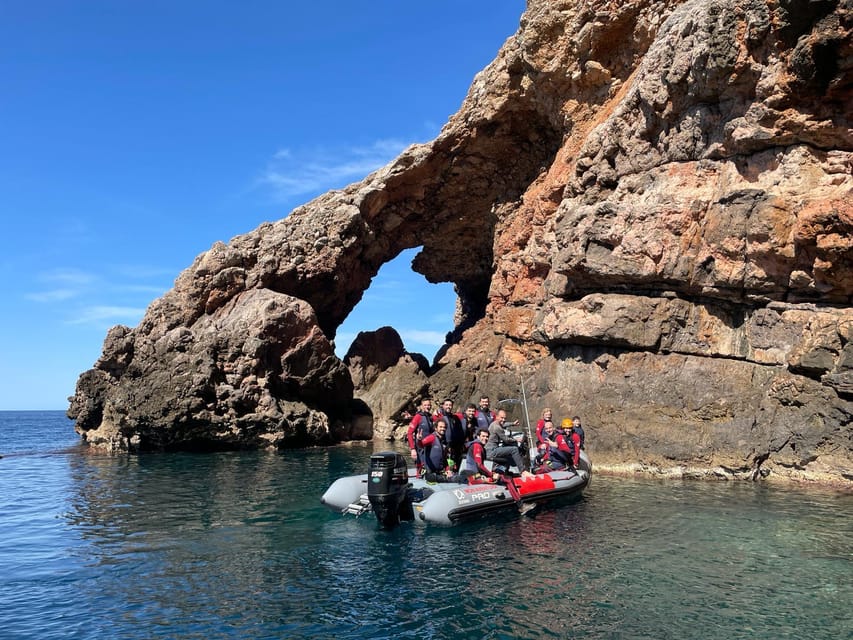
This tour is described as not suitable for children under 12. Beyond age, it fits best if you:
- want a guided canyoning experience in a famous north Mallorca torrent system,
- like active travel with physical obstacles (jumps, slides, climbs),
- and really care about finishing with a boat cruise through remote coves and cliffs.
It may feel like too much if you:
- dislike being wet and in a wetsuit,
- hate boats or get motion-sick easily (because sea conditions affect the plan and you’re on a speedboat for the return),
- or you prefer fully self-paced travel.
Practical tips so you enjoy Mortitx more (and worry less)
Bring what the tour asks for:
- Swimwear
- Snacks
- Sunscreen
- Water
- Sports shoes
A few extra practical thoughts based on how the day is structured:
- Wear shoes you can trust on wet ground during the approach and transitions.
- Pack snacks that won’t melt in your bag if it gets wet.
- Keep your phone and money in a waterproof pouch or in the safest pocket you have—because the day is wet, and multiple people may handle gear.
- If you’re cold-sensitive, take the wetsuit seriously. The suit is part of why this works.
Should you book the Mortitx canyoning + boat return?
If you want one Mallorca day that combines technical canyon action with a remote coastline boat payoff, this is a strong match. The Mortitx canyon portion gives you the real sport—jumps, slides, climbs, overhangs—then the boat return delivers the kind of north coast views you can’t easily recreate from shore.
I’d hesitate only if you have low tolerance for water and wetsuits, you’re traveling with young kids (under 12), or you rely on carrying cash and valuables in a backpack. If you go in prepared, this pairing is good value because the safety setup and the long return cruise are built into the experience.
If you book it, do it for the nature: harsh karst rock in the canyon, then the wild sea coast with cliffs, coves, and the ruins of Castell del Rei watching you from the water.
FAQ
Where do we meet for the Mortitx canyoning and boat return?
You meet in Cala Molins, just in front of Bar Mallorca in Cala Sant Vicenç (Pollença). Free parking is available nearby.
How long is the whole experience?
The tour lasts 6 hours total.
How long do you spend canyoning?
You’re told to expect about two hours of canyoning adventure.
What equipment is included?
The price includes technical canyoning equipment, a neoprene suit, and safety items like a harness and helmet, plus accident and liability insurance and a first aid kit with VHF radio and mobile phone support.
How do you get to the Mortitx area before the canyon starts?
Depending on sea conditions, you approach the Mortitx area either by boat or by minibus, and the journey lasts about one hour.
What should I bring?
Bring swimwear, snacks, sunscreen, water, and sports shoes.
Is this suitable for children?
No. It’s not suitable for children under 12.
More Mallorca Trips, Reviewed
- Palma: Cathedral of Mallorca Skip-the-Line Entry Ticket
★ 4.6 · 14,386 reviews - Palma de Mallorca: 5-Hour Catamaran Cruise with Lunch & Swim
★ 4.5 · 9,957 reviews - Porto Cristo: Caves of Hams Entry Ticket
★ 4.2 · 6,548 reviews - Palma de Mallorca: City Sightseeing Hop-On Hop-Off Bus Tour
★ 4.1 · 4,450 reviews - Mallorca: Island Tour with Boat, Tram & Train from the South
★ 4.4 · 3,888 reviews - Palma de Mallorca: Half-Day Catamaran Tour with Buffet Meal
★ 4.5 · 3,190 reviews
Cliffs, Leaps and Swims
- Mallorca: Kayaking, Sea Cave, Cliff Jumping & Snorkel Tour
★ 4.8 · 1,447 reviews - Mallorca: Kayaking, Sea Cave, Cliff Jumping & Snorkel Tour
★ 5.0 · 769 reviews - Mallorca: Half-Day Coasteering Experience
★ 4.7 · 447 reviews - Estany d’en Mas: Coastal Hike, Abseil & Sea Cave Exploration
★ 4.9 · 162 reviews - Kayak Tour with Caves, Snorkeling and Picnic (+ Cliff Jump)
★ 5.0 · 118 reviews - Small-Group Cliff Jumping Experience in Mallorca
★ 5.0 · 84 reviews
The Tramuntana, a Few More Ways
- Soller: Sa Calobra & Cala Tuent Speedboat Tour
★ 4.7 · 1,513 reviews - Sóller: Boat Trip to Sa Calobra and Torrent de Pareis
★ 4.4 · 690 reviews - Mallorca: Valldemossa & Soller Tour
★ 4.2 · 615 reviews - Sóller: Jardines de Alfabia Entrance Ticket
★ 4.7 · 505 reviews - Alcudia/Marratxi: Valldemossa & Soller Tour by Tram & Bus
★ 4.7 · 499 reviews - Mallorca Full-Day VIP Tour: Valldemossa, Deià & Sóller Experience
★ 5.0 · 270 reviews
Just Reviewed: Fresh Mallorca Trips
Coasteering & Cliff Jumping, compared.
 ★ 4.8Kayaking, Sea Cave, Cliff Jumping & Snorkel TourFrom $801,447 reviews
★ 5.0Kayaking, Sea Cave, Cliff Jumping & Snorkel TourFrom $83769 reviews
 ★ 4.7Half-Day Coasteering ExperienceFrom $88447 reviews
 ★ 4.9Estany d’en Mas: Coastal Hike, Abseil & Sea Cave ExplorationFrom $88162 reviews
 ★ 5.0Kayak Tour with Caves, Snorkeling and Picnic (+ Cliff Jump)From $83118 reviews
 ★ 5.0Small-Group Cliff Jumping Experience in MallorcaFrom $9084 reviews
 ★ 4.94-Hour Cliff Jumping AdventureFrom $8856 reviews
 ★ 5.0Coasteering in South Mallorca with TransfersFrom $9055 reviews
Browse the lists this tour appears in