
Reviewed · WALKING TOURS
Palma: Walking Tour with Mediterranean Delicacies
Palma tastes better on foot. This 2.5-hour walk through Palma old town ties the city’s layers of rule to what you see today, and ends with a market tasting where you sample regional specialties.
I especially like how the guide connects landmarks to the big story of Palma, from Roman beginnings to Ostrogoths, Vandals, Byzantines, Moors, and Aragon’s royalty shaping the area. I also like the food piece at Mercat de l’Olivar, where you try local delicacies and learn how Mediterranean cooking works in practice (and not just as a slogan).
One thing to consider: it’s a walking tour, so it’s not suitable for wheelchair users, and you’ll want comfortable shoes. Also, entry fees aren’t included, so if you want to go inside specific places on your own time, budget extra.
In This Review
- Key highlights worth getting excited about
- Palma old town on a short clock: why this tour works
- Starting at Lennox The Pub: easy to find, central to begin
- Parc de la Mar and the cathedral zone: the city’s big turning points
- Fishing harbor and Consulado del Mar: trade that shaped Palma
- Es Baluard and the harbor view: history you can see
- Paseo del Borne and aristocracy streets: romance with receipts
- Upper city power stops: town hall, parliament, Almudaina Palace
- Mercat de l’Olivar: your Mediterranean tasting lesson
- Price and value: $347 per group up to 4
- Who should book this Palma walk (and who should skip)
- The guide factor: what recent praise tells you to expect
- Should you book this Palma: Walking Tour with Mediterranean Delicacies?
- FAQ
- How long is the Palma walking tour with Mediterranean delicacies?
- Where is the meeting point?
- What’s included in the tour price?
- Are entry fees included?
- Are drinks included with the tasting?
- What languages are the guides?
- Can I book a private group?
- Is the tour wheelchair accessible?
- Can I bring luggage or large bags?
- What is the cancellation policy?
Key highlights worth getting excited about
- Millennia mapped onto real streets: you’ll hear how Romans, Moors, and Aragon each left marks you can still spot.
- Fishing and politics in the same route: the harbor story and the Consulado del Mar don’t feel like separate topics.
- View payoff at Es Baluard: a fortress complex stop gives you a wide look over the city and harbor.
- Paseo del Borne walk with style: the romantic promenade and old aristocracy houses (now 5-star hotels).
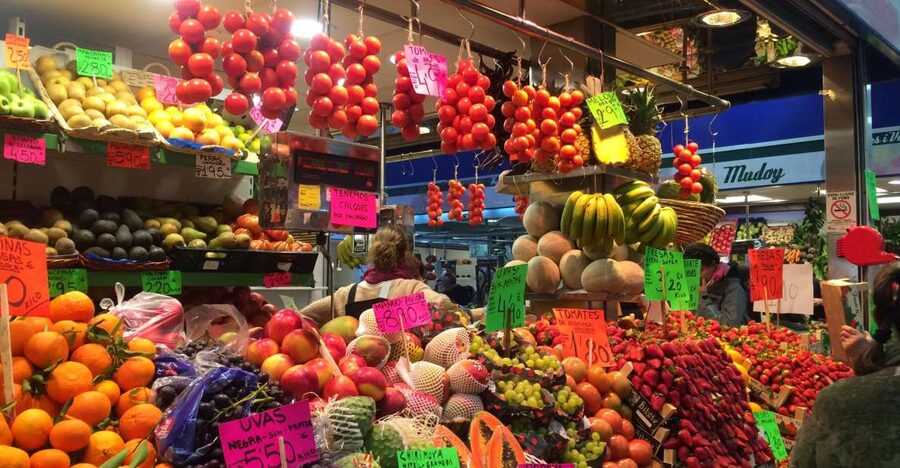
- Market time in Mercat de l’Olivar: lots of Mediterranean products, plus a tasting of regional specialties.
- Guides who adjust to you: Maja and Stefan show up in recent feedback as guides who answer questions and flex when needed.
Palma old town on a short clock: why this tour works
Palma can feel like two cities: the area around the harbor and cathedral, then the upper town with government buildings and palaces. This tour puts both into a single 2.5-hour loop, so you leave with a clearer sense of how Palma was laid out and why certain streets look the way they do.
The best value here is the combination. You’re not just getting a “pretty photos” walk. You get a guided thread linking big historical changes to specific places, then you finish by turning that understanding into something you can taste at the market.
And since the price is per group up to 4, the math can be friendly if you’re traveling with family or friends. If you’re solo, it’s still doable, but this is the kind of tour that makes the most sense when you can share the cost.
Palma on foot, more routes

Starting at Lennox The Pub: easy to find, central to begin
You meet at Lennox The Pub – Palma, at Avinguda d’Antoni Maura 22 (near Carrer de Vallseca). It’s described as being along the Paseo del Borne direction toward the sea, under the Almudaina Palace area and close to Parc de la Mar.
This matters because you’re starting right in the middle of the action instead of being shuttled from the edge of town. You also get a walking route that naturally starts near key historic anchors, so you spend less time “getting oriented” and more time actually learning what to look for.
Practical tip: if you use GPS, double-check you’ve selected the correct Antonio Maura street in the center of Palma. The address is precise, but navigation systems sometimes get creative with similar street names.
Parc de la Mar and the cathedral zone: the city’s big turning points
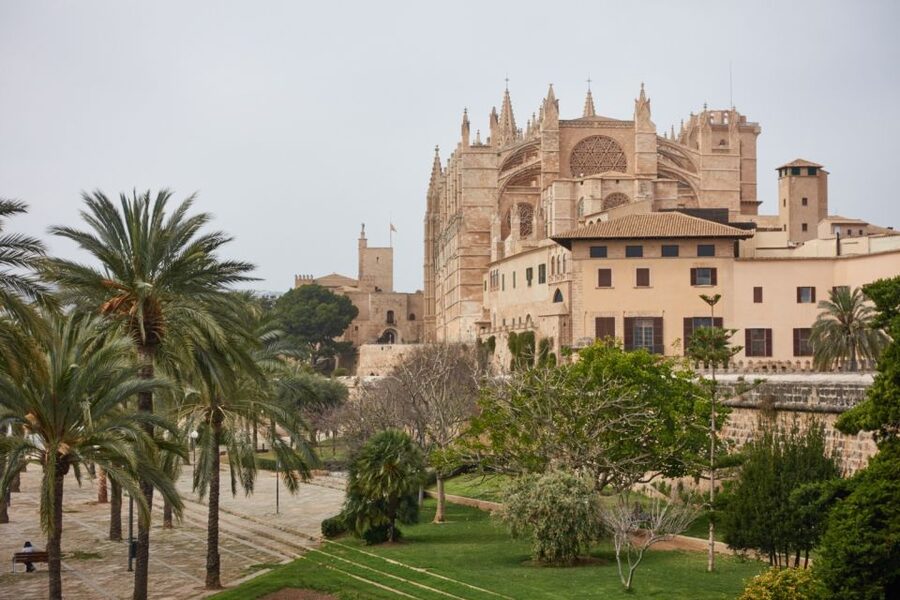
The walk begins at Parc de la Mar, under the cathedral area. Here, the guide sets the stage with the founding of the city and how political situations changed over time.
What I like about this approach is that it gives you a map in your head early on. Instead of waiting until later to understand why Palma evolved the way it did, you get a framework right away. That makes the rest of the stops click faster, especially when the tour transitions from power and religion to trade and daily life.
You’re also close enough to the cathedral story that it doesn’t feel random later when you revisit views from higher ground. It’s a smart pacing trick: first you hear the story, then you see it from multiple angles.
Fishing harbor and Consulado del Mar: trade that shaped Palma
After the opening area, the tour heads toward the fishing harbor, passing the maritime trade exchange and toward Consulado del Mar.
This stop is important because the Consulado del Mar isn’t just another old building. It’s described as a historic structure whose use has changed over the years, and today it’s the most important political building of the Balearic islands. In other words, this is where “economy” and “authority” overlap.
Then you walk through the old fishing district. Even without entering every site, the route helps you understand why a port city grows the way it does: where goods come in, where workers lived, and why political power often follows trade.
If you enjoy history that connects to how people actually lived, this is the part that tends to land hardest.
- Palma: Cathedral of Mallorca Skip-the-Line Entry Ticket★ 4.6 · 14,386 reviews
- Palma de Mallorca: 5-Hour Catamaran Cruise with Lunch & Swim★ 4.5 · 9,957 reviews
- Porto Cristo: Caves of Hams Entry Ticket★ 4.2 · 6,548 reviews
- Palma de Mallorca: City Sightseeing Hop-On Hop-Off Bus Tour★ 4.1 · 4,450 reviews
- Mallorca: Island Tour with Boat, Tram & Train from the South★ 4.4 · 3,888 reviews
Es Baluard and the harbor view: history you can see
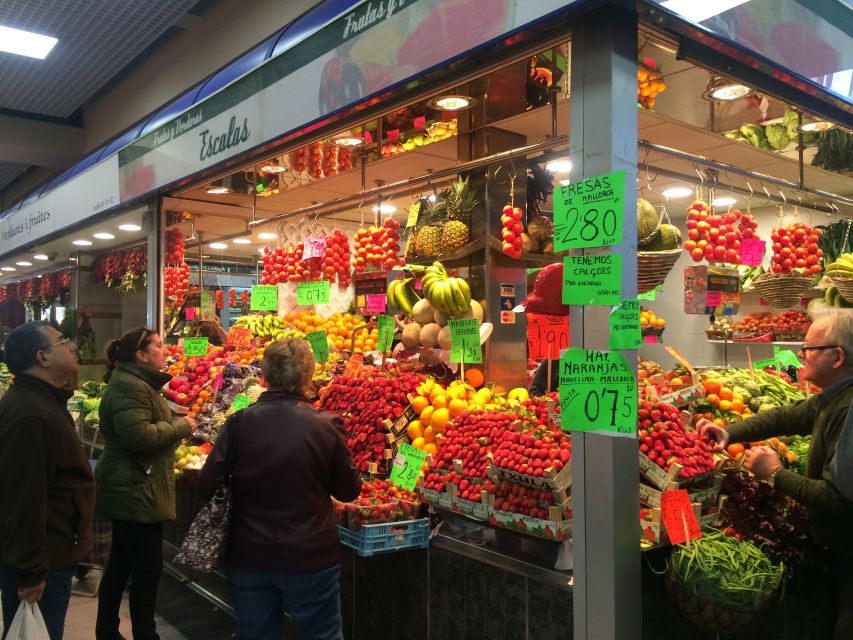
Next up is Es Baluard, described as an old fortress complex with an incredible view over the city and harbor.
I love this type of stop because it’s not just information. It’s confirmation. From up there, Palma stops being a collection of buildings and becomes a system—harbor, skyline, and the historic zones you just walked through.
There’s also a quick pass by Museu d’Art Modern i Contemporani. Even if you don’t plan to go inside (and entry fees aren’t included), it helps break up the route visually and gives you a signpost that Palma isn’t only about ancient stone.
Then you continue into the maze of streets in the old city. This is where you start to feel why a guided route helps. The alleys and turns can look similar on your own, but with context, they feel purposeful instead of confusing.
Paseo del Borne and aristocracy streets: romance with receipts
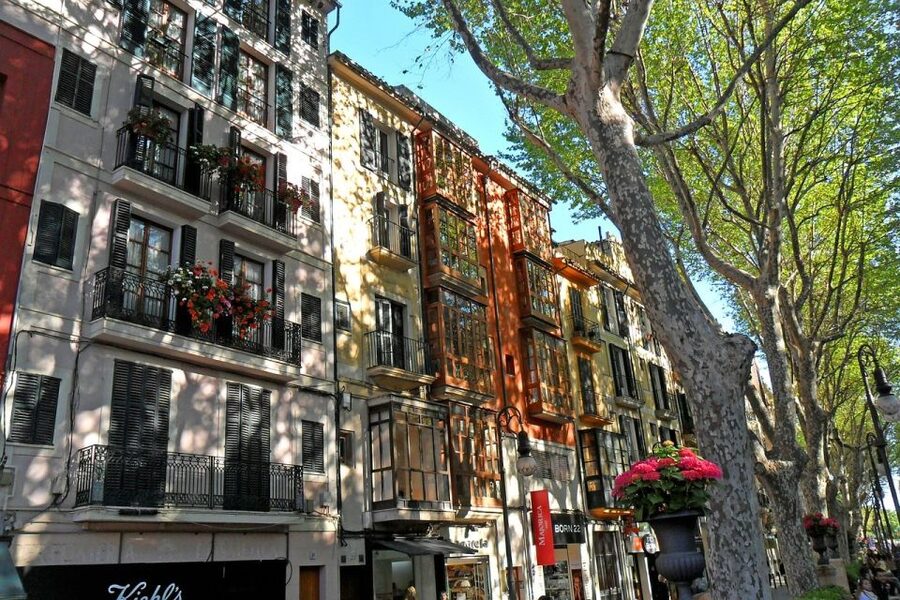
As you move through the old city, the tour reaches the romantic Paseo del Borne. This part is a standout because it’s both scenic and explanatory. You’re walking a promenade that’s described as romantic, but you’re also learning what’s behind the look.
The tour also points out former houses of the aristocracy. Today, many of these are 5-star hotels. That detail matters because it explains the mismatch you might notice on your own: how a place can feel elegant and modern at street level while being rooted in older social structures.
If you like spotting how old wealth and old architecture shape modern tourism, you’ll enjoy this section. It’s a good moment to slow down, look at façades, and notice how the city’s status changed over time.
Upper city power stops: town hall, parliament, Almudaina Palace
After the Paseo del Borne, you move into the upper city. Here you see the historical town hall and the parliament area, plus Almudaina Palace.
This is where Palma shifts from “market and harbor” to “seat of power.” The guide uses the city’s geography to explain why the upper areas mattered, and you also get an impressive view of the cathedral from this perspective.
Even if you’re not an architecture superfan, this section works because it tells you what to look for: the relationship between public buildings, elevated viewpoints, and the cathedral’s role in the city’s story.
The pace is still walking-tour paced, not museum-stop paced. The advantage is that you keep momentum and arrive at the market while you’re still in the historical mood.
Mercat de l’Olivar: your Mediterranean tasting lesson
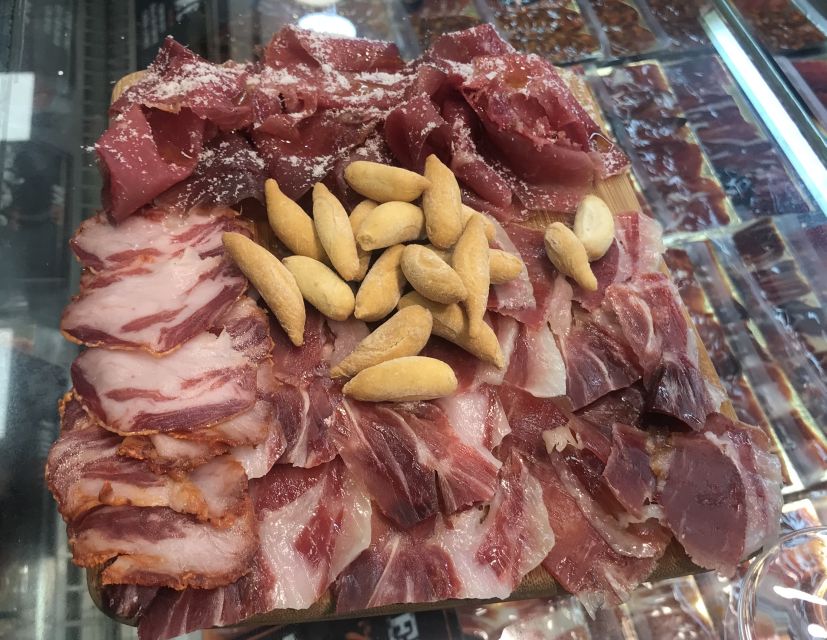
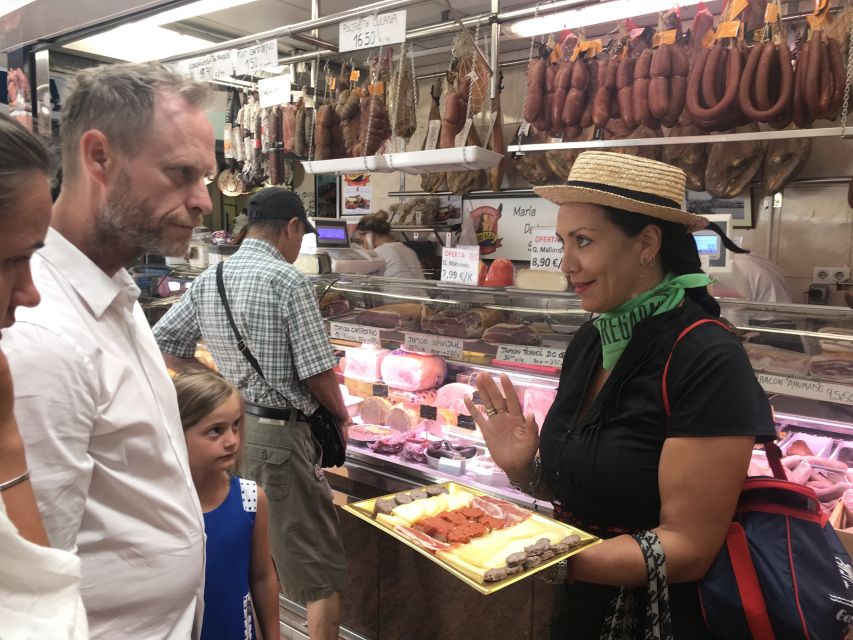
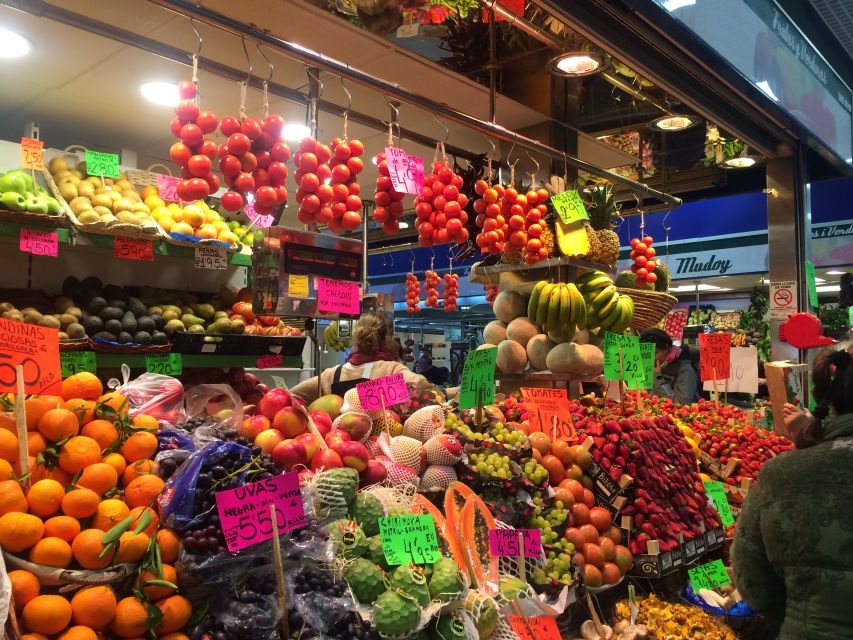
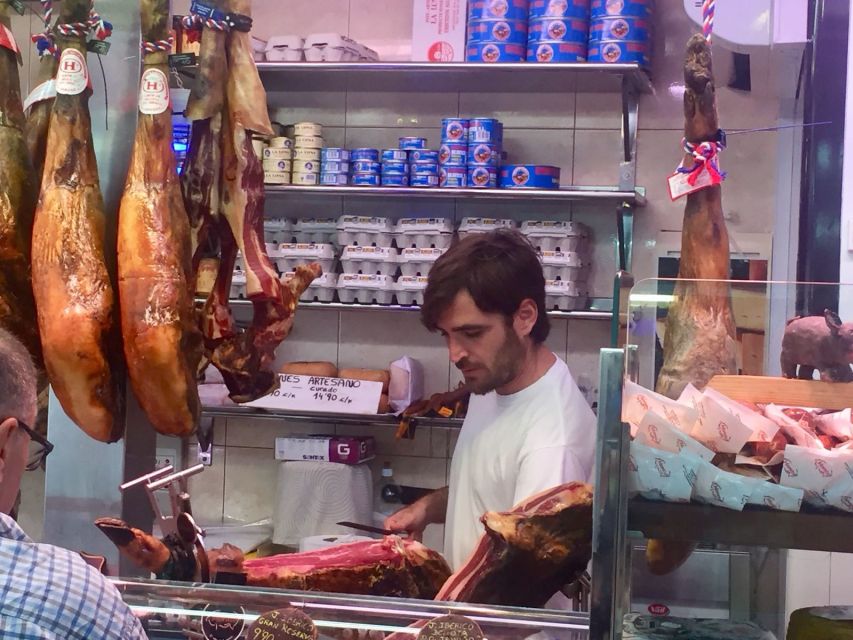
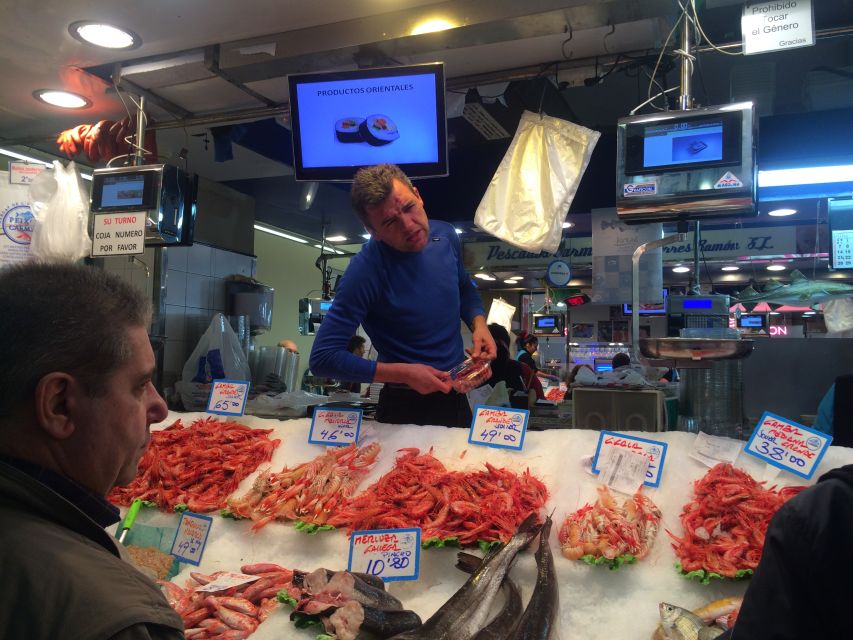
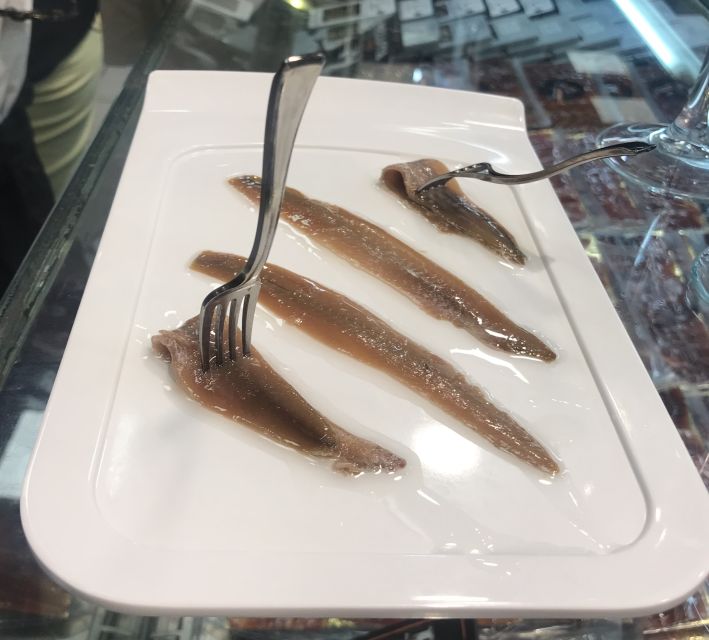
The tour finishes at Mercat de l’Olivar, the marketplace where you’ll see an incredible selection of Mediterranean products and try regional delicacies.
This is the best “reset” after hours of walking. You get to switch from looking at history to experiencing Palma’s daily food culture. The tasting is included, and it’s tied to what you learned on the route—so it doesn’t feel like a random add-on.
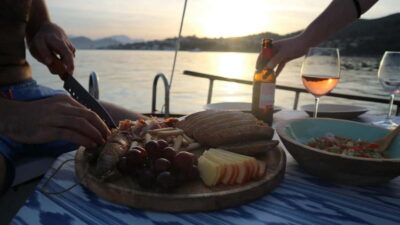
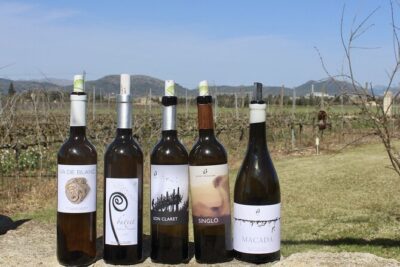
Some recent guests specifically mentioned tastings like ham and cheese, plus Mallorca wine as part of the market experience. Your exact selection may vary, but the point stays the same: you’re sampling local specialties and learning what makes Mediterranean cuisine unique.
My practical advice: arrive hungry, but don’t overdo it right before you go. The tour includes tasting but doesn’t include additional food or drinks, so you may want to plan how you’ll handle the rest of your meal afterward.
Price and value: $347 per group up to 4
The price is $347 per group for up to 4 people, for a total duration of about 2.5 hours. That structure can be a big deal in Palma, because many city tours charge per person and can add up fast.
Here’s the value lens:
- For 4 people, you’re effectively looking at about $87 per person.
- For 2 people, it’s about $174 per person.
- For solo travelers, it can feel pricey compared to per-person tours, because you still pay the group rate.
What helps justify the cost is the mix of itinerary types: historic walking route plus marketplace tasting plus a live guide in German or English. It’s not just standing in front of buildings; it’s a guided storyline that connects places to the city’s layered past.
Also, entry fees and extra drinks/food aren’t included. So treat the $347 as the tour price, not as a full “I’m done spending” package.
Who should book this Palma walk (and who should skip)
This tour is a great fit if you:
- want a guided walk that connects history to specific streets and viewpoints
- like markets and want a tasting tied to the region, not a generic food stop
- travel in a group of 2-4 to make the group price work
- prefer a shorter, high-information city experience without committing to a full day
It’s less ideal if you:
- need wheelchair accessibility (it isn’t suitable for wheelchair users)
- expect long museum time or paid-site entry included (entry fees aren’t included)
- plan to carry luggage or large bags (you shouldn’t bring them)
The guide factor: what recent praise tells you to expect
One of the strongest signals in the feedback is the guide’s ability to connect with the group. In recent bookings, Maja gets praised for answering questions in an individual way and even making spontaneous adjustments when the tour group was small. Stefan also appears in feedback as a guide who provided enough detail for a strong overview and kept things running smoothly.
The practical takeaway for you: this tour is designed to be interactive. You’ll get more out of it if you come with at least a few questions about what you want to understand—cathedral role, port life, why certain streets have that aristocratic feel, or what to look for in a market.
Should you book this Palma: Walking Tour with Mediterranean Delicacies?
I’d book it if you want a single, well-paced introduction to Palma that mixes historic old town walking with a satisfying close at Mercat de l’Olivar. The route is compact but not shallow: you hear how millennia of different cultures shaped the area, then you end by tasting regional delicacies.
You might skip it if you’re already deep into Palma’s sights and want more museum time, or if mobility/accessibility needs make a walking-heavy plan tough.
If you’re deciding with friends or family, do the math with the group rate. For a shared cost up to 4, this is one of the more sensible ways to get both context and food in a short window in Palma.
FAQ
How long is the Palma walking tour with Mediterranean delicacies?
The total duration is 2.5 hours.
Where is the meeting point?
You meet at Lennox The Pub – Palma, Avinguda d’Antoni Maura 22 (corner of Carrer de Vallseca), near the restaurant Lennox The Pub.
What’s included in the tour price?
The tour includes a guided tour, an informative guide, a visit to the marketplace, and a tasting.
Are entry fees included?
No, entry fees are not included.
Are drinks included with the tasting?
Additional food and drinks are not included.
What languages are the guides?
The live tour guide is available in German and English.
Can I book a private group?
Yes, private group options are available.
Is the tour wheelchair accessible?
No, it is not suitable for wheelchair users.
Can I bring luggage or large bags?
No luggage or large bags are allowed.
What is the cancellation policy?
Free cancellation is available up to 24 hours in advance for a full refund.
Palma on Foot, Continued
- Palma de Mallorca: City Walking Tour with The Cathedral
★ 4.0 · 657 reviews - Palma de Mallorca: Foodie Walking Tour of the Old Town
★ 4.6 · 372 reviews - Private walking tour in Palma de Mallorca with local guides.
★ 5.0 · 182 reviews - Palma, Cathedral & Valldemossa: Guided walking Tour
★ 4.1 · 182 reviews - Palma de Mallorca: Walking Tour, Cathedral & Local Tasting
★ 4.9 · 115 reviews - 2-Hour Private Walking Tour Through Palma’s Jewish Quarter
★ 5.0 · 66 reviews
More Mallorca Tours to Compare
- Palma de Mallorca: City Sightseeing Hop-On Hop-Off Bus Tour
★ 4.1 · 4,450 reviews - Mallorca: Island Tour with Boat, Tram & Train from the South
★ 4.4 · 3,888 reviews - Palma de Mallorca: Half-Day Catamaran Tour with Buffet Meal
★ 4.5 · 3,190 reviews - Palma de Mallorca: Sunset Boat Tour
★ 4.6 · 2,894 reviews - Mallorca: ATV /Quad Bike Tour
★ 4.8 · 2,712 reviews - Mallorca: Palma Boat Tour & Snorkeling with Drink Included
★ 4.4 · 2,444 reviews
More Mallorca Trips, Reviewed
- Palma: Cathedral of Mallorca Skip-the-Line Entry Ticket
★ 4.6 · 14,386 reviews - Palma de Mallorca: 5-Hour Catamaran Cruise with Lunch & Swim
★ 4.5 · 9,957 reviews - Porto Cristo: Caves of Hams Entry Ticket
★ 4.2 · 6,548 reviews - Palma de Mallorca: City Sightseeing Hop-On Hop-Off Bus Tour
★ 4.1 · 4,450 reviews - Mallorca: Island Tour with Boat, Tram & Train from the South
★ 4.4 · 3,888 reviews - Palma de Mallorca: Half-Day Catamaran Tour with Buffet Meal
★ 4.5 · 3,190 reviews
Just Reviewed: Fresh Mallorca Trips

Walking Tours, compared.
 ★ 4.0City Walking Tour with The CathedralFrom $34657 reviews
 ★ 4.6Foodie Walking Tour of the Old TownFrom $77372 reviews
 ★ 4.1Palma, Cathedral & Valldemossa: Guided walking TourFrom $40182 reviews
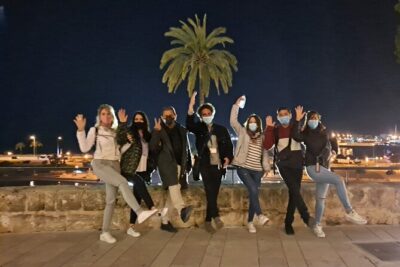 ★ 5.0Private walking tour in Palma de Mallorca with local guides.From $266182 reviews
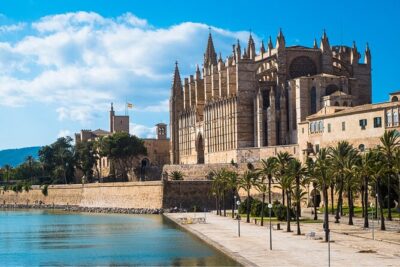 ★ 4.9Walking Tour, Cathedral & Local TastingFrom $46115 reviews
 ★ 4.5Food Tasting Walking Tour in Palma with a LocalFrom $78105 reviews
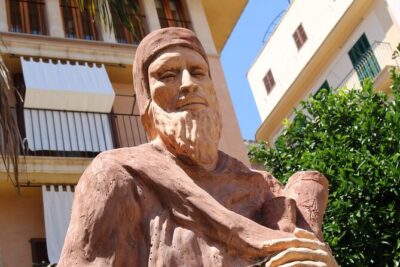 ★ 5.02-Hour Private Walking Tour Through Palma’s Jewish QuarterFrom $12066 reviews
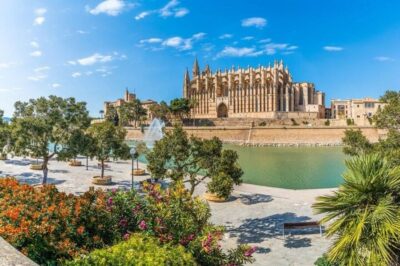 ★ 4.6Must see Walking Tour With A GuideFrom $3962 reviews
Browse the lists this tour appears in