
Reviewed · WORKSHOPS
Palma, Santa Catalina: Sandal-Making Workshop
A sandal workshop you can actually wear. In Palma’s Santa Catalina, you’ll create bespoke leather sandals with a real hands-on process that ends with a pair made at your measurements.
What I like most is the custom fit focus, starting with an anatomic sole chosen for your comfort. I also love that you pick from different models and leathers, so the result feels personal, not like a cookie-cutter souvenir.
The workshop is run by Martina Candela, and the teaching style is the heart of the experience—patient, practical, and clear. With a small group (up to 10), you get time to work and ask questions without feeling rushed.
One thing to consider: you’ll be cutting/measuring/sticking materials, so plan on wearing comfortable clothes that can get dirty and shoes you don’t mind working in.
In This Review
- Key things you’ll notice right away
- Why a Santa Catalina Sandal Workshop Makes a Palma Souvenir Worth Keeping
- Finding the Atelier at Carrer de la Pursiana (Near Da Me)
- Your 3-Hour Sandal-Making Flow: Choosing Fit, Then Cutting and Sticking
- 1) Pick the base: the anatomic sole
- 2) Choose your model and leather
- 3) Measure and prep like a maker
- 4) Stick it together and build the pair
- Leather Choices, Bio-Soles, and What It Means for Comfort
- Price and Value: Paying $179 for Materials, Drinks, and a Finished Pair
- Group Size, Languages, and Team-Building Friendly Energy
- What to Bring (and What to Skip) So You Don’t Feel Awkward
- Who This Workshop Is Best For
- Should You Book This Palma Sandal Workshop?
- FAQ
- How long is the sandal-making workshop?
- Where is the meeting point in Palma?
- What is included in the $179 price?
- Do I need any prior experience to make sandals?
- What should I wear and bring?
- How many people are in the group?
- What languages are the instruction offered in?
Key things you’ll notice right away
- You start with a sole chosen for your feet, not just a generic sandal bottom
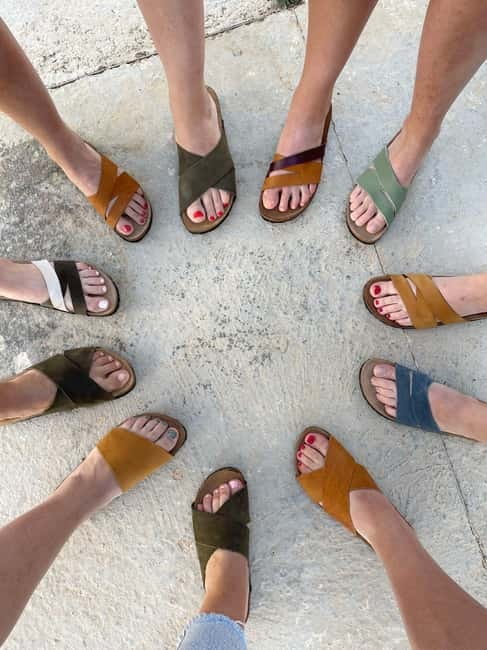
- You pick a model and leather, so your sandals look like you
- Martina guides the steps end-to-end, from measuring to sticking
- Your sandals are made at your measurements, ending as a wearable finished product
- Small-group format (max 10) keeps the pace human
- Materials, drinks, and your final sandals are included, so the price is straightforward
Why a Santa Catalina Sandal Workshop Makes a Palma Souvenir Worth Keeping
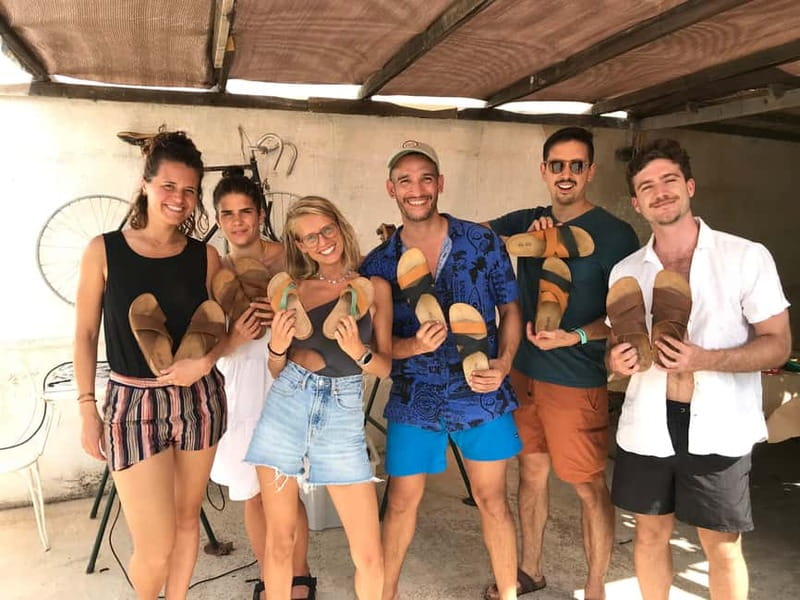
If you’re the type who likes souvenirs you actually use, this is one of those rare activities that turns into something practical. In about three hours, you’ll go from barefoot measurements (or near enough) to a finished pair of sandals you can wear the same trip, then again at home.
Palma has plenty of pretty streets, but the Santa Catalina neighborhood gives you something more grounded: real local craft in a working atelier. The workshop happens in a small studio setting, not a big tourist production line. That matters because the end result depends on you making decisions—your style, your materials, and your fit.
Two things make the value click. First, you’re choosing an anatomic sole designed to match the shape of your feet for comfort in the tread. Second, you’re learning the core steps—cutting, measuring, and sticking—so you understand what’s going into the sandal rather than just watching someone build it for you.
The final payoff is emotional too. When you leave, you don’t just have a photo. You have something you helped create, and your sandals are made to your measure.
Worth weighing up before you book this Mallorca trip:


Finding the Atelier at Carrer de la Pursiana (Near Da Me)
Getting to the workshop is simple, but it’s worth knowing what to look for. The meeting point is a small atelier at the corner of Carrer de la Pursiana, 16 and Carrer Pou, 29. The facade is light salmon/rose with light blue shutters, and it’s in front of the bar Da Me.
Because it’s a small corner space, I’d treat arrival like a “get your bearings fast” moment: give yourself a few extra minutes. Free parking is available about five minutes walking, which can help if you’re coming by car or planning to park and explore the area first.
Also, plan around the neighborhood feel. Santa Catalina is not the kind of place where you want to sprint from stop to stop right before a workshop. You’ll be more relaxed if you arrive ready to work—comfort matters.
Your 3-Hour Sandal-Making Flow: Choosing Fit, Then Cutting and Sticking
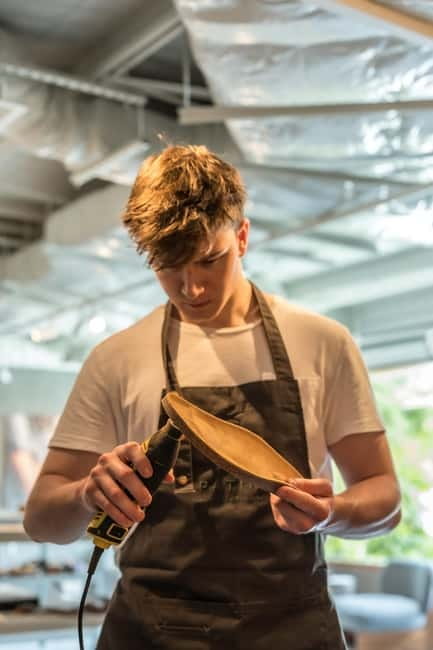
This is not a one-size-fits-all demo. The workshop is built around you making decisions and doing the hands-on work, with Martina guiding the steps.
Here’s how the flow typically goes:
1) Pick the base: the anatomic sole
You’ll begin by selecting the anatomic sole that best fits your feet. This is the comfort foundation, and the workshop frames it that way: the goal is a full sense of comfort in the tread. If you’ve ever bought shoes that looked great but felt wrong, this first step is where the workshop earns its keep.
- Palma: Cathedral of Mallorca Skip-the-Line Entry Ticket★ 4.6 · 14,386 reviews
- Palma de Mallorca: 5-Hour Catamaran Cruise with Lunch & Swim★ 4.5 · 9,957 reviews
- Porto Cristo: Caves of Hams Entry Ticket★ 4.2 · 6,548 reviews
- Palma de Mallorca: City Sightseeing Hop-On Hop-Off Bus Tour★ 4.1 · 4,450 reviews
- Mallorca: Island Tour with Boat, Tram & Train from the South★ 4.4 · 3,888 reviews
2) Choose your model and leather
Next comes the fun part: you choose among exclusive models and a variety of leather options. You’re not locked into one style, and that variety is a big reason people walk out happy. The finished sandals come from your choices, not just the instructor’s.
3) Measure and prep like a maker
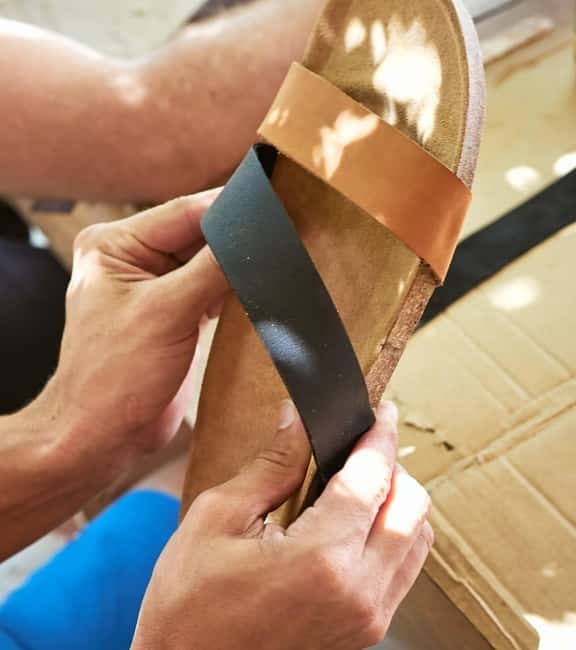
Then you get into the core craft work. You’ll learn the process of cutting, measuring, and sticking. The teaching emphasis is practical—how to get the shape right, how to work carefully, and how to line things up so the end product looks and feels correct.
4) Stick it together and build the pair
Sticking is where patience pays off. You want alignment and clean placement, because once it’s set, that’s what you’ll be wearing. The workshop setting supports that careful pace with one key advantage: it’s a small group, so Martina can keep an eye on what you’re doing.
By the end, you leave the atelier with your own bespoke sandals, made at your measure—plus the satisfaction that you made them.
Leather Choices, Bio-Soles, and What It Means for Comfort
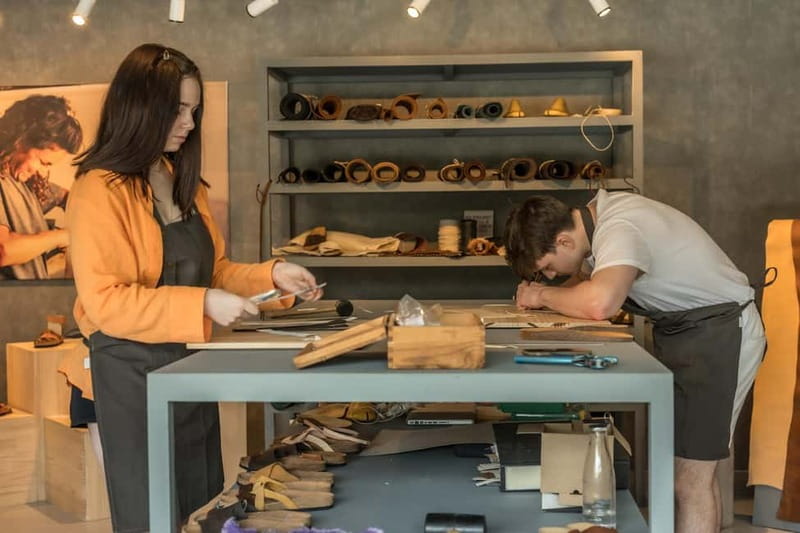
The workshop uses certified tanned leather and bio-soles. That combo matters because it signals quality materials and a sandal designed for real use rather than a single special-occasion wear.
Leather also has personality. Different hides and finishes can change the way sandals feel against your skin, and the workshop’s leather variety lets you pick what you like best visually and practically. If you’re thinking, I want something I’ll wear often, you’ll appreciate having options rather than a single “one leather fits all” approach.
One extra detail that’s useful for planning: the info provided notes that for barefoot sandals, you should contact the instructor. So if that’s your goal—ultra-minimal or different construction—don’t assume it’s the default package. Ask ahead so you don’t end up with the wrong sandal type.
Overall, comfort is baked into the workshop design. The anatomic sole start is the clear signal, and the bio-soles are the follow-through. You’re not just learning how to make something pretty—you’re building the comfort base too.
Price and Value: Paying $179 for Materials, Drinks, and a Finished Pair
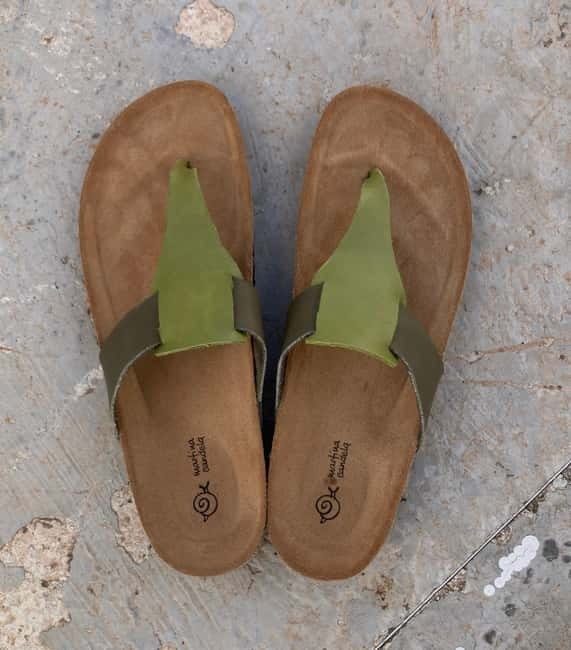
At $179 per person for a 3-hour workshop, the price is fair only if the outcome is real. In this case, it is: materials are included, drinks are included, and you leave with sandals that are the final product.
Here’s the value logic you can use for your own decision:
- You’re paying for instruction plus the materials plus your end product.
- You’re not paying extra for leather upgrades or the basic “maker’s kit.”
- You’re buying a wearable item, which usually costs more than you expect when you find “quality handmade sandals” later.
Also, the group size plays into value. A small group (limited to 10) means you get more attention while you cut and stick. If you’ve ever done a craft class where the instructor can only glance at you from across the room, you’ll understand why this matters.
One practical note: transportation isn’t included. That’s normal for local ateliers, but it’s worth budgeting mentally. If you’re basing yourself farther from Santa Catalina, plan your route so you don’t waste time on the day you want to focus.
Group Size, Languages, and Team-Building Friendly Energy
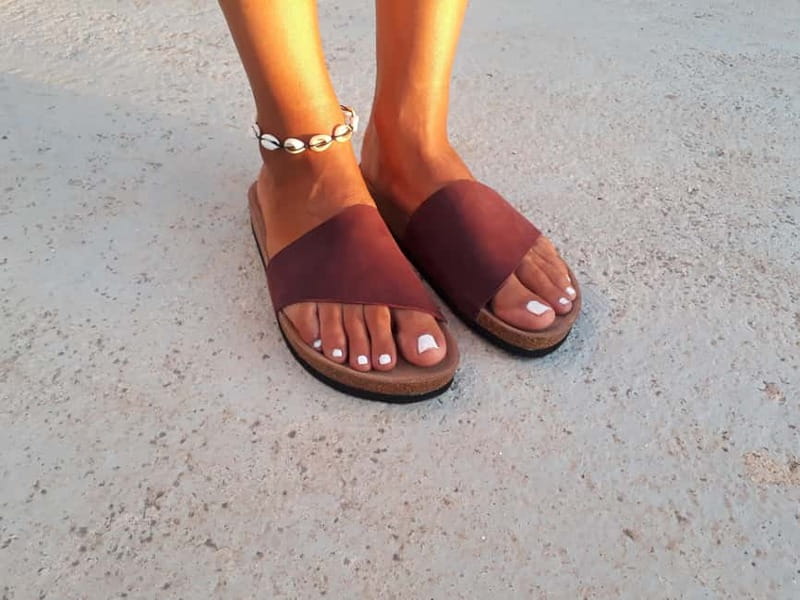
This workshop is set up for small groups, limited to 10 participants. That scale changes the vibe immediately. You’ll get a steadier pace, easier help, and more back-and-forth as you measure and build.
Languages offered are English, Spanish, Italian, and Catalan. That’s helpful if your group has mixed language comfort. It also means you can ask questions in the language that feels natural, which is huge during hands-on work.
It’s also built for shared fun. The workshop information encourages booking alongside another participant, even as a surprise for a friend. That’s the sweet spot if you want the activity to feel like an experience, not an assignment.
And it can work as a team-building activity because it’s interactive. One of the best outcomes you can hope for in a team setting is everyone ends up with something unique, and this class gives you that. In the process, you’re learning a skill and making choices together, even if your final sandals differ.
What to Bring (and What to Skip) So You Don’t Feel Awkward
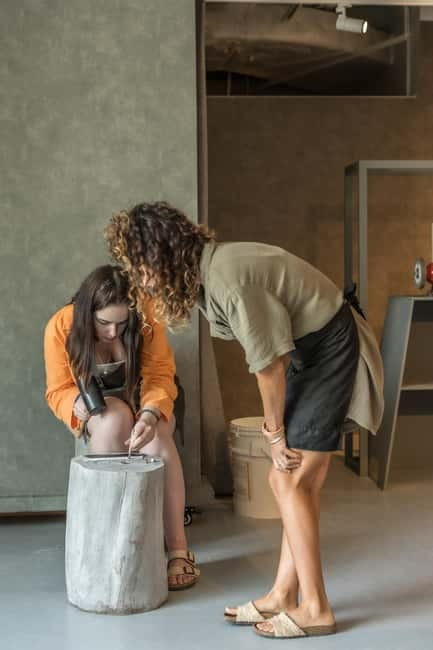
Packing for a sandal-making workshop is simple, but it needs to match the reality of hands-on craft work.
Bring:
- Comfortable shoes
- Comfortable clothes
- Clothes that can get dirty
That last line isn’t just “nice to know.” Cutting and sticking can get messy, and you’ll be glad you planned for it. If you show up in your best outfit, you’ll spend the whole session watching your sleeves instead of enjoying the process.
You also don’t need prior experience. The workshop explicitly says no prior sandal-making experience is required. That’s good news if you’re worried you’ll be slow or make mistakes. You’re supposed to learn in real time, with guidance.
Not suitable for children under 12 is also important if you’re traveling with family. And the information includes a note about people with mobility impairments. It also lists the workshop as wheelchair accessible, so if you’re affected by mobility needs, the most responsible move is to contact the instructor to confirm what will work in your specific case.
Who This Workshop Is Best For
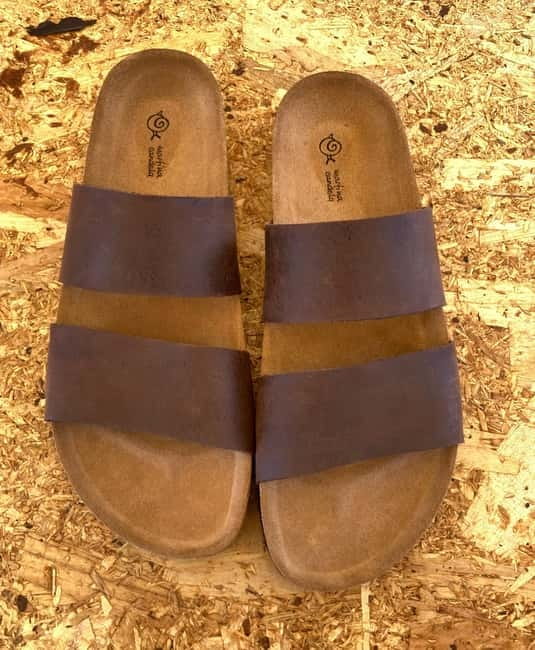
This is a strong fit if you want a hands-on craft experience and you care about the end product being wearable. It’s also ideal if you like learning how something is made, not just buying something finished.
You’ll probably enjoy it most if:
- You want a unique Palma keepsake you’ll use
- You like choosing materials and styles
- You’re comfortable doing practical tasks like cutting, measuring, and sticking
- You’re traveling with a friend or small group and want a shared activity that still feels personal
If you’re hoping for a passive sightseeing experience, this isn’t that. This class asks you to participate, make choices, and work with your hands.
Should You Book This Palma Sandal Workshop?
I’d book it if you want a souvenir with actual value: materials included, expert guidance, and a final pair of bespoke leather sandals made at your measure. The small group size and the focus on comfort (anatomic sole first) make it feel like a real craft session rather than a generic tourist ticket.
I’d think twice if you hate getting a little messy, or if you’re tight on time and can’t comfortably fit a 3-hour block in Santa Catalina. Also factor in that transportation to and from the workshop isn’t included, so your day plan should account for getting there smoothly.
If you’re on the fence, here’s the decision shortcut: if you’d wear handmade sandals you designed yourself, this workshop is a yes.
FAQ
How long is the sandal-making workshop?
The workshop duration is 3 hours.
Where is the meeting point in Palma?
It’s at a small atelier at the corner of Carrer de la Pursiana, 16 and Carrer Pou, 29, in front of the bar Da Me. The facade is light salmon/rose with light blue shutters.
What is included in the $179 price?
All materials needed to make the sandals are included, along with the final product (your sandals) and drinks during the workshop.
Do I need any prior experience to make sandals?
No prior experience is required.
What should I wear and bring?
Bring comfortable shoes and comfortable clothes, and wear clothes that can get dirty.
How many people are in the group?
The workshop is limited to a small group of 10 participants.
What languages are the instruction offered in?
Instruction is available in English, Spanish, Italian, and Catalan.
More Workshops Around Mallorca
- Palma: Mediterranean Cooking Class with Drinks
★ 4.8 · 240 reviews - Spanish Cooking Class Palma meals+drinks 7 dishes Full meals
★ 5.0 · 122 reviews - Spanish Cooking Class Palma meals+drinks 7 dishes Full meals
★ 5.0 · 58 reviews - Cala Millor Trike Tour !! Driving licence class B Sufficient
★ 4.5 · 47 reviews - Mallorca: Stand Up Paddle Lesson (1H PRIVATE CLASS)
★ 4.9 · 44 reviews - 4-Hour Market Visit and Traditional Cooking Workshop in Palma
★ 5.0 · 38 reviews
More Mallorca Trips, Reviewed
- Palma: Cathedral of Mallorca Skip-the-Line Entry Ticket
★ 4.6 · 14,386 reviews - Palma de Mallorca: 5-Hour Catamaran Cruise with Lunch & Swim
★ 4.5 · 9,957 reviews - Porto Cristo: Caves of Hams Entry Ticket
★ 4.2 · 6,548 reviews - Palma de Mallorca: City Sightseeing Hop-On Hop-Off Bus Tour
★ 4.1 · 4,450 reviews - Mallorca: Island Tour with Boat, Tram & Train from the South
★ 4.4 · 3,888 reviews - Palma de Mallorca: Half-Day Catamaran Tour with Buffet Meal
★ 4.5 · 3,190 reviews
Just Reviewed: Fresh Mallorca Trips
Workshops, compared.
 ★ 4.8Palma: Mediterranean Cooking Class with DrinksFrom $105240 reviews
 ★ 5.0Spanish Cooking Class Palma meals+drinks 7 dishes Full mealsFrom $107122 reviews
★ 5.0Spanish Cooking Class Palma meals+drinks 7 dishes Full mealsFrom $10758 reviews
 ★ 4.5Cala Millor Trike Tour !! Driving licence class B SufficientFrom $22447 reviews
 ★ 4.9Stand Up Paddle Lesson (1H PRIVATE CLASS)From $3444 reviews
 ★ 5.04-Hour Market Visit and Traditional Cooking Workshop in PalmaFrom $17338 reviews
★ 4.5Cala Millor Trike Tour !!! Driving licence class B sufficient !!!From $10634 reviews
 ★ 4.9Market Visit and Traditional Cooking WorkshopFrom $17129 reviews
Browse the lists this tour appears in