
Reviewed · MALLORCA WINE & VINEYARDS
Mallorca Wine Experience
Small-group wine lessons beat big winery tours. This Palma stop focuses on Mallorca’s own grapes (Manto Negro, Callet, Giro Negre) and teaches you how to pair them with local cheeses like Queso de Mahón and Queso Mallorquín, plus sobrasada. I like the fact that the host can be a former sommelier such as Sebastian, with Gabriel and Shota also mentioned, so you get real explanations of what’s happening in the glass. I also like the hands-on snack pairing, from sausage to jams and chocolate. A heads-up: because it’s in a shop cellar with fixed seating, the chairs aren’t always the most comfortable, and the pacing can feel a bit slow if you hate long talk.
For me, the best part is that this isn’t a drive-out-to-vineyards day. You stay in the center of Palma and make wine make sense—by tasting, smelling, and matching flavors the way locals eat. You’ll talk about the island’s food and wine as you go, and you’ll leave with a better sense of what to order later.
It runs about two hours, it’s in English, and it caps at 8 people, which keeps the vibe friendly and gives the host room to answer questions. You’ll start at Avinae Wine & Spirits in Palma and end right back there—easy to fold into a day of strolling old town streets.
In This Review
- Key Points That Make This Worth Your Time
- Why This Palma Tasting Feels Like Practical Wine, Not Lecture
- Avinae Wine & Spirits: The In-Town Shop-Cellar Setting
- The Two-Hour Flow: How the Tasting Usually Moves
- What You’ll Taste: Mallorca’s Indigenous Grapes in Plain English
- The Food Pairings: Cheese, Sobrasada, and the Trick of Matching Flavors
- Chatting Like a Local: Mallorca Food and Wine Talk, Not a Script
- Price and Value: Is $82.27 Worth It?
- Who This Fits Best (And Who Might Prefer Something Else)
- Tips to Get More From Your Glass
- Should You Book the Mallorca Wine Experience in Palma?
- FAQ
- How long is the Mallorca Wine Experience in Palma?
- What is the meeting point?
- What language is the tasting offered in?
- How many people are in the group?
- What wines and food are part of the tasting?
- Is this a vineyard tour?
- Can I get a refund if I cancel?
Key Points That Make This Worth Your Time
- Mallorca grapes first, not imported distractions: Manto Negro, Callet, and Giro Negre are the focus from the start.
- Cheese + sobrasada pairing lesson: Expect Queso de Mahón and Queso Mallorquín alongside sobrasada sausage.
- Snacks that explain the wine: The menu typically includes meats, jams, chocolate, and multiple pairings, not just bread and wine.
- Small-group pace: Max 8 people, so you’re not lost in a crowd.
- Hosts with real-world wine chops: Sebastian is described as a long-time sommelier, with other hosts like Gabriel and Shota also showing up.
- A classic Palma option when it’s hot outside: You get education and sipping without walking miles.
Why This Palma Tasting Feels Like Practical Wine, Not Lecture
If you’ve done wine tastings where someone rattles off facts and everyone nods politely, this should feel different. The format is built around pairing. You taste wine, you try a local food, and then you compare how the flavor changes in your mouth.
That matters for you because wine is mostly about two things: what you like and how you match it. By the end, you should be able to think in terms of structure—things like acidity, tannins, and how salty, fatty, or sweet foods react to your glass. Even if you’re not a wine expert, this style helps you build a personal map fast.
I also like that the experience stays in-town. You get the cultural context without burning energy on logistics. Palma is a great base anyway, and this lets you taste local wine while you stay in the flow of the city.
More Mallorcan cellars worth a stop
Avinae Wine & Spirits: The In-Town Shop-Cellar Setting
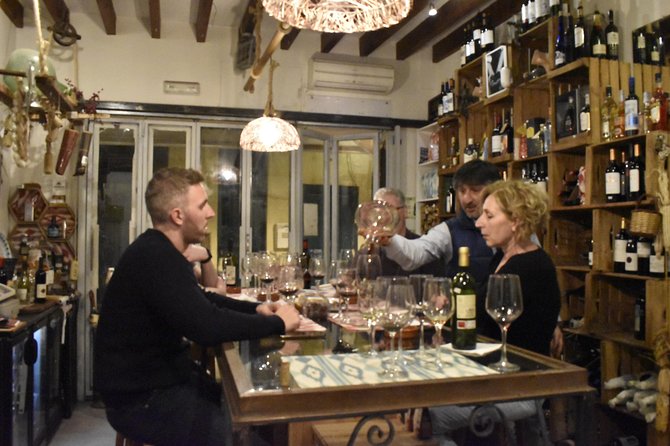
You meet at Avinae Wine & Spirits at Carrer dels Llums 3 in Palma’s Centre area. The shop is easy enough to find in old town, and it’s also near public transportation, so you’re not dependent on a taxi.
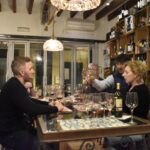
The tasting happens in a shop cellar/basement style space. That means the setting is cozy and compact—exactly what you want for a focused conversation. Several people note the atmosphere as tucked-away and intimate, and the small room helps questions feel normal rather than disruptive.
One practical caution: chairs can be a limiting factor. If you’re sensitive to uncomfortable seating or you hate being in one position for a while, this is the part you should plan around. You’re there for about two hours, so wear something that won’t make you fidget.
The Two-Hour Flow: How the Tasting Usually Moves
You should think of this as a guided sequence of tastings plus pairing bites, not a walking tour. The host leads you through the tasting glasses and the food pairings while you chat about Mallorca and what you’re tasting.
Here’s the rhythm you can expect:
First, a quick setup and varietal focus. The host introduces Mallorca’s indigenous grapes—Manto Negro, Callet, and Giro Negre—so you understand what makes each one different before you taste them side by side.
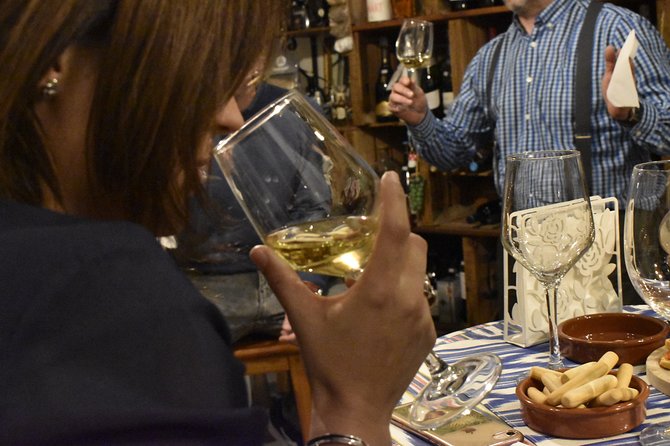
Then, wine-to-food pairing rounds. You’ll go through tastings with foods meant to complement the wine. The snack plate you’ll start with includes a Mallorcan cheese plate and sobrasada, and the rest typically expands into more pairing bites like meats, jams, and chocolate.
Finally, more discussion and a chance to ask questions. The best sessions slow down at the moments where your palate notices something. People describe lots of time for conversation per wine, and that’s where you’ll pick up the “how to think about pairings” part.
Some sessions also mention a blind tasting moment. Even if yours doesn’t lean on that, don’t expect a fast, production-line format. The whole point is to help you connect each glass to what you’re eating.
What You’ll Taste: Mallorca’s Indigenous Grapes in Plain English
This experience is built around Mallorca’s grape varieties. That’s the “why” for your money: you’re tasting local expressions that can be hard to understand if you only know global wine brands.
You’ll focus on:
- Manto Negro (Mallorca’s signature red grape)
- Callet (another island red with its own character)
- Giro Negre (a third indigenous red variety)
The host’s job is to help you notice what changes from grape to grape. You’ll also learn how those grapes match different textures and flavors—especially in combination with cheese and sausage.
Why this matters: pairing isn’t random. When you taste a grape variety and then try it with Queso de Mahón or Queso Mallorquín, you’ll start to notice how salty, creamy, and aged flavors interact with the wine’s structure.
And because the tasting stays in Palma and stays local, you avoid the awkward mismatch that can happen on “wine tour” days where you spend most of the time outside the region.
More island wine to try
- Mallorca: Bodega Butxet Vineyards & Winery Tour with Tasting★ 4.8 · 178 reviews
- Sa Clasta Mallorca Wine Tours★ 5.0 · 125 reviews
- Llucmajor: Bodegas Bordoy Wine Tour★ 4.9 · 104 reviews
- Alcudia: Self-Guided Gourmet Tapas and Wine Tour★ 4.3 · 94 reviews
- Bodegas Vi Rei: Vineyard and Train Tour with Wine Tasting★ 4.4 · 94 reviews
The Food Pairings: Cheese, Sobrasada, and the Trick of Matching Flavors
The sample starter is a Mallorcan and Majon cheese plate (with the kind of cheeses that also show up later in pairing context), plus typical sausage called sobrasada.
From there, the experience typically expands into other bites that help you understand the wine. People mention meats, cheeses, jams, and chocolate—basically the sweet-salty-fat range you need to learn how wine behaves with real food.
If you want the simplest “what’s the point?” answer: the snacks make the wine easier to interpret. Instead of tasting wine in isolation, you’re training your palate to recognize when a wine becomes smoother, when flavors pop, or when something clashes.
Also, this is a good format if you get overwhelmed by wine terminology. The pairing approach gives you a sensory anchor. If the host explains tannins, you’ll actually be able to test the concept against a food you can taste immediately.
Chatting Like a Local: Mallorca Food and Wine Talk, Not a Script
One thing I’d watch for when choosing a wine tasting is how interactive it is. In this case, the whole setup encourages you to talk. You’re tasting while discussing Mallorca’s food and wine, which makes the experience feel more like a small conversation than a timed program.
Hosts mentioned in the experience include Sebastian, Gabriel, and Shota—each described as passionate and willing to answer questions. That’s the kind of guide who notices when you don’t get a flavor and explains it in a way you can use later.
This is also where you’ll get practical tips you can apply during the rest of your trip—especially if you plan to eat cheese, sausage, tapas, or anything grilled and savory.
Price and Value: Is $82.27 Worth It?
At $82.27 per person for about two hours, the value depends on what you want.
If you’re looking for a vineyard tour with bus rides, scenery, and a long day outdoors, this probably isn’t the best match. This is an in-town education-and-tasting experience. You don’t go far; you stay focused on wines and pairings.
If you’re a wine lover—or even a curious eater who wants a smarter way to order wine with food—this price can make sense quickly. You’re paying for:
- A small group (max 8), which usually means more time for questions
- Multiple local wine tastings, centered on Mallorca grapes
- Pairing food, including cheese and sobrasada
- A host with deep wine know-how, including sommelier-level backgrounds mentioned like Sebastian
Also, the two-hour length is practical. It fits on days when Mallorca heat is draining your energy, and it won’t hijack your afternoon.
Net: I’d call this good value if you want a guided flavor lesson in Palma, not a full “get out of town” wine day.
Who This Fits Best (And Who Might Prefer Something Else)
This experience is a strong fit if you:
- Want Mallorca-specific wine education (not a generic worldwide flight)
- Like food pairing and you enjoy learning by tasting
- Prefer a small group setting with conversation
- Are staying in Palma and want a useful activity right in the center
It might not be ideal if you:
- Need very comfortable seating for extended time
- Hate slow pacing or lots of explanation
- Expect a vineyard tour or big winery production
One more real-world consideration: because it’s small, you should be mentally prepared for headcounts to occasionally shift at the start. It’s not something you can control, so manage expectations and arrive ready to adapt.
Tips to Get More From Your Glass
You’ll enjoy this more if you treat it like a mini class with snacks—not a casual drink-and-go.
- Arrive on time. With a small group, timing affects how the host paces the tastings.
- Ask one good question early about pairing or grape differences, then let the host guide follow-ups.
- Taste in order and compare. Don’t chase your favorite flavor immediately. The comparisons teach you the most.
- Pay attention to cheese and sobrasada reactions. That’s where the pairing lesson becomes obvious.
- Take it easy after. People mention leaving with a bit of a rosy feeling from several tastings, so plan a relaxed evening.
Should You Book the Mallorca Wine Experience in Palma?
I’d book this if you want a focused, in-town way to learn Mallorca wine through pairing—especially if you care about indigenous grapes like Manto Negro, Callet, and Giro Negre. The price feels fair for the format: small group, multiple tastings, and real local food like Queso de Mahón, Queso Mallorquín, and sobrasada.
Skip it if you’re chasing scenery and vineyards, or if uncomfortable seating and long explanations would ruin your afternoon. Otherwise, it’s a smart way to end a hot day in Palma and walk away thinking about wine differently when you order meals.
FAQ
How long is the Mallorca Wine Experience in Palma?
It lasts about 2 hours.
What is the meeting point?
You meet at Avinae Wine & Spirits, Carrer dels Llums, 3, Centre, 07001 Palma, Illes Balears, Spain.
What language is the tasting offered in?
It’s offered in English.
How many people are in the group?
The experience has a maximum of 8 travelers.
What wines and food are part of the tasting?
The tasting focuses on Mallorca’s indigenous grapes: Manto Negro, Callet, and Giro Negre. You’ll also eat Mallorcan snacks, including a cheese plate (with Queso de Mahón and Queso Mallorquín mentioned) and sobrasada, plus other pairing bites such as meats, jams, and chocolate.
Is this a vineyard tour?
No. It’s an in-town wine tasting experience in Palma.
Can I get a refund if I cancel?
Yes. Cancellation is free if you cancel up to 24 hours in advance for a full refund.
More Island Wine to Taste
- Palma de Mallorca: Gourmet Tapas and Wine Tour
★ 4.5 · 627 reviews - Mallorca: Horseback Riding Excursion and Wine Tasting
★ 4.8 · 383 reviews - Alcudia: Sailing Yacht Excursion with Wine & Tapas
★ 4.4 · 236 reviews - Binissalem: Individual vineyard tour and wine tasting in German
★ 4.9 · 190 reviews - Mallorca: Bodega Butxet Vineyards & Winery Tour with Tasting
★ 4.8 · 178 reviews - Sa Clasta Mallorca Wine Tours
★ 5.0 · 125 reviews
More Mallorca Trips, Reviewed
- Palma: Cathedral of Mallorca Skip-the-Line Entry Ticket
★ 4.6 · 14,386 reviews - Palma de Mallorca: 5-Hour Catamaran Cruise with Lunch & Swim
★ 4.5 · 9,957 reviews - Porto Cristo: Caves of Hams Entry Ticket
★ 4.2 · 6,548 reviews - Palma de Mallorca: City Sightseeing Hop-On Hop-Off Bus Tour
★ 4.1 · 4,450 reviews - Mallorca: Island Tour with Boat, Tram & Train from the South
★ 4.4 · 3,888 reviews - Palma de Mallorca: Half-Day Catamaran Tour with Buffet Meal
★ 4.5 · 3,190 reviews
More Mallorcan Wine Country
- Palma de Mallorca: Gourmet Tapas and Wine Tour
★ 4.5 · 627 reviews - Mallorca: Horseback Riding Excursion and Wine Tasting
★ 4.8 · 383 reviews - Alcudia: Sailing Yacht Excursion with Wine & Tapas
★ 4.4 · 236 reviews - Binissalem: Individual vineyard tour and wine tasting in German
★ 4.9 · 190 reviews - Mallorca: Bodega Butxet Vineyards & Winery Tour with Tasting
★ 4.8 · 178 reviews - Mallorcas Emblematic Wineries Small Group Tour, two wineries
★ 4.7 · 172 reviews
Just Reviewed: Fresh Mallorca Trips
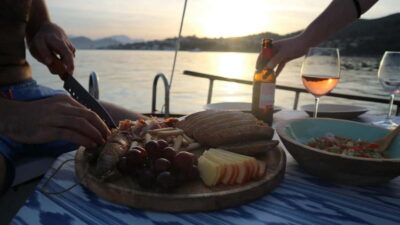
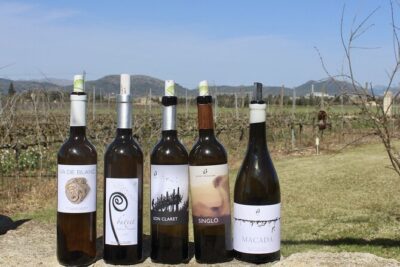
Mallorca Wine & Vineyards, compared.
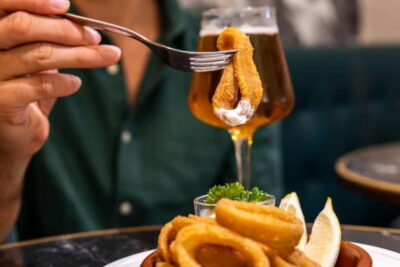 ★ 4.5Gourmet Tapas and Wine TourFrom $65627 reviews
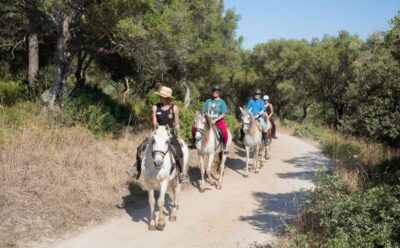 ★ 4.8Horseback Riding Excursion and Wine TastingFrom $75383 reviews
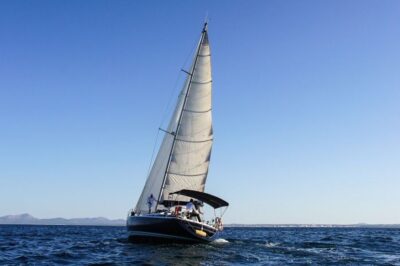 ★ 4.4Alcudia: Sailing Yacht Excursion with Wine & TapasFrom $147236 reviews
 ★ 4.9Binissalem: Individual vineyard tour and wine tasting in GermanFrom $29190 reviews
 ★ 4.8Bodega Butxet Vineyards & Winery Tour with TastingFrom $26178 reviews
 ★ 4.7Mallorcas Emblematic Wineries Small Group Tour, two wineriesFrom $159172 reviews
 ★ 5.0Sa Clasta Mallorca Wine ToursFrom $187125 reviews
 ★ 4.9Llucmajor: Bodegas Bordoy Wine TourFrom $58104 reviews
Browse the lists this tour appears in