
Reviewed · TRAMUNTANA HORSEBACK RIDING
Horseback Riding in Randa Valleys, Mallorca, Spain
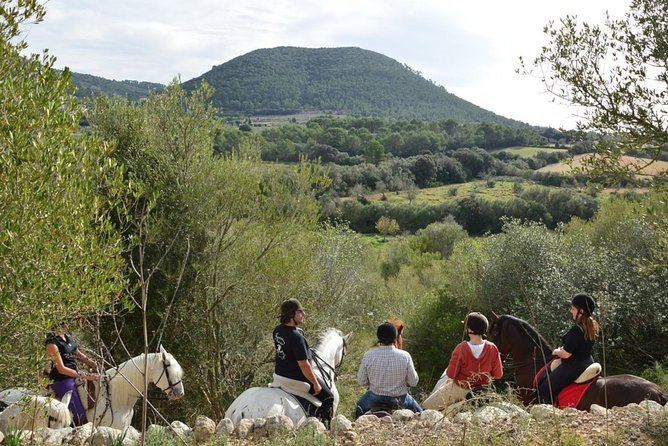
Randa valleys on horseback is a smart way to see Mallorca at a slower pace. I especially like that you get hands-on guidance before you move into the countryside, plus a small group size that keeps the whole experience calm and personal. You’ll be introduced to the horses, learn how to handle the reins, and then follow a relaxed route with real stops along the way.
There’s also a practical comfort factor here: hotel pickup from Palma is offered (for an extra charge), and you finish back at the stable with grooming help and a complimentary drink. That combination makes it feel more like an expertly hosted day out than a quick ride-and-go.
One consideration: the tour depends on good weather, and you’ll want a moderate fitness level for sitting and moving with the horse for about three hours total.
In This Review
- Key things to know before you go
- Andalusian Horses in Randa: What Makes This Ride Different
- Racecourse Briefing and Dressage Coaching (the Part That Makes You Safer)
- Two Stages on Horseback: Training First, Valleys Second
- Vineyards, Randa Town, and Cura Monastery Stops
- Gear, Photos, and the Finish Drink at the Stable
- Price, Pickup, and Whether It’s Worth Booking
- FAQ
- Where does the horseback riding tour start?
- How long is the experience?
- Is hotel pickup included?
- How many people are in the group?
- Are helmets and riding equipment provided?
- What training do you get before riding?
- Is there food or drinks included?
- What’s the cancellation policy?
Key things to know before you go
- Small group of up to 8 means more attention when you’re learning rein control.
- Dressage-style lesson first: 30 minutes of theory, then 30 minutes to practice with an instructor.
- Randa + valleys route includes viewpoints and cultural stops like vineyards and the town of Randa.
- Monastery stop at Cura adds a strong sense of place beyond just riding trails.
- Helmet and riding equipment included, plus grooming and preparation time before you mount.
- Stability-focused pace: you clean the horses and take a break with a drink at the end.
Andalusian Horses in Randa: What Makes This Ride Different
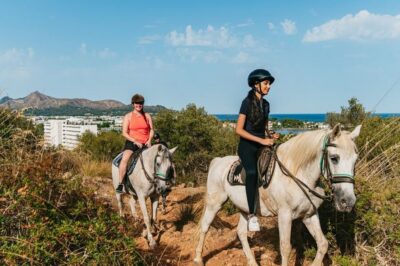
If you want Mallorca beyond the postcard stops, this ride is a great match. The route centers on Randa and the surrounding countryside, so you’re not stuck in just one narrow lane of views. Instead, you’re carried through valleys with pauses that let you take in vineyards, towns, and landmarks without racing your feet against the clock.
What makes this stand out is the way it teaches you. This isn’t just saddling up and hoping for the best. After arriving at the racecourse, you get a focused intro to the horses and basic handling—exactly the kind of prep that makes a ride feel smoother when you’re on unfamiliar animals. And since this is Mallorca, you’ll do it with a backdrop that’s naturally scenic: countryside paths, rural roads, and that distinctive island blend of agriculture and monastery culture.
The horses are Andalusian, and the tone is clearly respectful. You spend time contacting and preparing the horses before you ride, including grooming, which helps you settle into the rhythm of the animal instead of treating it like equipment. The vibe is also friendly and social in a good way: just eight people maximum, so you’re not fighting for space or attention.
Inland Mallorca, villages and back roads
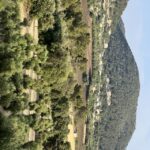
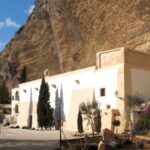
Racecourse Briefing and Dressage Coaching (the Part That Makes You Safer)
The tour starts at the racecourse area, where you’ll meet a monitor specialized in dressage. You’ll get a 30-minute theoretical class. This matters because it gives you a framework for what you’re about to feel on horseback, especially with rein control. You’ll learn how to take the reins correctly and how to respond to the horse while you ride, not just what to do when everything goes smoothly.
You’ll also hear practical details about the route—enough to understand what’s coming next, but not so much that it becomes a lecture. Think of it as get your bearings fast training, with the goal of helping you feel more confident before mounting.
Then comes the key move: you don’t jump straight into a long ride. You go from the lesson to a short practice segment so the instructions stick in your body. If you haven’t ridden in a while, this is especially helpful. Even from the way the program is described and how it’s been received, the preparation time and early practice are meant to bring you back into working with the horse at a comfortable pace.
You’ll also receive equestrian equipment and a helmet, so you’re not scrambling for basics once you arrive.
Two Stages on Horseback: Training First, Valleys Second
After the theory, you mount and practice for about 30 minutes. This first contact stage is essentially your confidence builder. You’ll apply what you learned—how to hold the reins, how to communicate with the horse, and how it feels when you start moving as one team rather than two separate things.
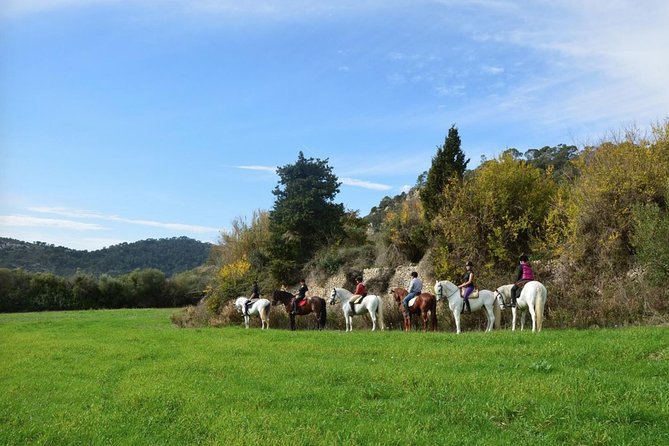
Only once everyone has had that chance does the ride open up into the Randa countryside and valleys. The ride itself is about an hour and a half in the saddle. The pace is described as leisurely, and you’ll make stops to learn a bit more about what you’re seeing and where you’re going.
What I like about splitting the ride into two distinct sections is that you’re less likely to feel overwhelmed. You’re not thrown into long riding minutes right away. Instead, you get structured learning, then a real countryside experience once you’re settled.
Also keep in mind the group size. With a maximum of eight people, the monitor can guide you individually enough that small errors don’t turn into big problems. That’s one reason this tour feels beginner-friendly in spirit, even though you still need moderate physical fitness to ride comfortably.
At the end, there’s time to clean the horses too, which turns the experience into more than just transportation on four legs.
Vineyards, Randa Town, and Cura Monastery Stops
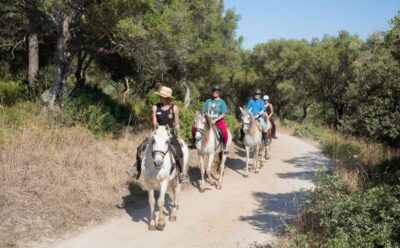
The ride path is built around meaningful scenery. You’ll pass through countryside settings that include vineyards and open valley views, and you’ll also stop for context rather than taking photos at full speed.
One stop is in the town of Randa itself. It’s a chance to step out of the saddle and connect the ride to the actual settlement life around the area, not just the surrounding hills. Another highlight is the monastery of Cura. A monastery stop adds a cultural layer that you won’t get from a trail that only follows nature.
You’ll also be shown details about the places you explore along the route—specifically including vineyards. That kind of stop changes the feel of the day from exercise into discovery. You’re still moving at a horse’s pace, but you’re learning while you’re stopped, which makes the time feel more earned.
One practical point: these stops mean you should plan to stay present even if you’re not a horse person. The ride gives you both. You get the animal experience, and you get the island setting with little moments of explanation that make it easier to remember what you actually saw.
And because this tour is weather-dependent, those stops can feel especially rewarding on clear days when you can see the valley layers.
In the saddle through the valleys
- Mallorca: Horseback Riding Experience with Food Options★ 4.6 · 1,424 reviews
- Mallorca: Guided Horseback Ride in Randa Valley★ 4.8 · 239 reviews
- Mallorca Evening Tour: Horseback Riding, Dinner and Dance★ 4.5 · 73 reviews
- 3-Hour Beach Horse Riding to Discover the Beauty of Alcudia Bay★ 4.0 · 20 reviews
- Mallorca: Sunset Horseback Ride with Drinks★ 5.0 · 18 reviews
Gear, Photos, and the Finish Drink at the Stable
The experience includes preparation and grooming. You’re not just dropped at a stable door and told good luck. You’ll get help handling the horses before you ride, and you’ll have equipment and a helmet provided. This is the kind of detail that matters for comfort and safety, and it keeps you from worrying about what you forgot to pack.
When you return to the equestrian area, you’ll clean the horses and then take a break. You get a complimentary drink, which is a nice reset after time in the saddle. You’ll also receive soft drinks included and digital photos, which helps you keep the memories without needing to juggle a camera every ten minutes.
From a value standpoint, this finish is part of the reason the day feels complete. A lot of horseback rides end the moment you dismount. Here, you get time at the stable and a moment to decompress with the group.
One small “what to expect” note: since grooming and horse contact are part of the flow, you’ll likely want to be comfortable with a hands-on experience around animals—people aren’t just moving you through steps. If you like calm, guided interaction, you’ll appreciate it.
If you’re coming from Palma and want pickup, it’s offered as part of the service with an extra quotation. That convenience can be worth it if you don’t want to figure out transport to the meeting point.
Price, Pickup, and Whether It’s Worth Booking
At $185.22 per person for about three hours total, you’re paying for a guided, structured coaching format—not just a trail ride. The cost makes more sense when you factor in what’s included: helmet and riding equipment, grooming and preparation, dressage-focused instruction (theory plus a practical practice segment), and a small group capped at eight people. That staffing and coaching component is the differentiator.
If you’re comparing this to generic horseback outings, the value is in the teaching. You’re not only going through Randa valleys; you’re learning how to handle the reins and communicate with the horse. That’s what helps the ride feel safer and more enjoyable.
Pickup from Palma is offered but not included in the base price. If you’re already staying near Palma and don’t want a transfer plan, it can make the whole day easier. If you’re staying elsewhere, you’ll want to budget time and transport unless you arrange the pickup quote.
This is a good fit if you:
- want a small-group experience rather than a big herd tour
- like practical instruction and prefer learning by doing
- want countryside views plus real stops like Randa and the monastery of Cura
- have moderate physical fitness and can comfortably ride for the duration
I’d be a little cautious if you know you’ll be uneasy around horses or movement, since the tour includes mounting, handling practice, and time in the saddle throughout the full session.
Should you book? If you want Mallorca from the back of an Andalusian horse with coaching that starts before you ride, this one is worth a serious look—especially on a day with good weather so you don’t miss the countryside portion.
FAQ
Where does the horseback riding tour start?
The activity starts at Ma-5017, 39, 07629 Algaida, Illes Balears, Spain.
How long is the experience?
It lasts about 3 hours.
Is hotel pickup included?
Pickup is offered, including from Palma, but transportation from/to hotels is not included in the base price. You need to request a quotation for the extra cost.
How many people are in the group?
The tour has a maximum of 8 travelers.
Are helmets and riding equipment provided?
Yes. Equestrian equipment and a helmet are included.
What training do you get before riding?
You get a 30-minute theoretical dressage-style class on handling and reins, followed by about 30 minutes practicing on horseback.
Is there food or drinks included?
Soft drinks are included, and you also enjoy a complimentary drink when you finish back at the stable yard.
What’s the cancellation policy?
You can cancel for a full refund up to 24 hours in advance. The experience also requires good weather, and if it’s canceled due to poor weather you’ll be offered a different date or a full refund.
More Mallorca Trips, Reviewed
- Palma: Cathedral of Mallorca Skip-the-Line Entry Ticket
★ 4.6 · 14,386 reviews - Palma de Mallorca: 5-Hour Catamaran Cruise with Lunch & Swim
★ 4.5 · 9,957 reviews - Porto Cristo: Caves of Hams Entry Ticket
★ 4.2 · 6,548 reviews - Palma de Mallorca: City Sightseeing Hop-On Hop-Off Bus Tour
★ 4.1 · 4,450 reviews - Mallorca: Island Tour with Boat, Tram & Train from the South
★ 4.4 · 3,888 reviews - Palma de Mallorca: Half-Day Catamaran Tour with Buffet Meal
★ 4.5 · 3,190 reviews
Through the Valleys on Horseback
- Mallorca: Horseback Riding Experience with Food Options
★ 4.6 · 1,424 reviews - Mallorca: Horseback Riding Excursion and Wine Tasting
★ 4.8 · 383 reviews - Mallorca: Guided Horseback Ride in Randa Valley
★ 4.8 · 239 reviews - Mallorca Evening Tour: Horseback Riding, Dinner and Dance
★ 4.5 · 73 reviews - 3-Hour Beach Horse Riding to Discover the Beauty of Alcudia Bay
★ 4.0 · 20 reviews - Mallorca: Sunset Horseback Ride with Drinks
★ 5.0 · 18 reviews
Inland Villages and Back Roads
- Mallorca: Guided Horseback Ride in Randa Valley
★ 4.8 · 239 reviews - Jet Boat Excursion in South West Coast of Mallorca
★ 5.0 · 110 reviews - Palma: Orange Valley Vintage Train and Orange Farm Tour
★ 4.7 · 49 reviews - Mallorca: Discovering 5 Charming Villages of Mallorca
★ 4.8 · 38 reviews - Mallorca: Almond Blossom Minivan Tour – GERMAN GUIDE
★ 4.6 · 22 reviews - MALLORCA: JET SKI TO CALA MONDRAGÓ, CALA D’OR
★ 4.7 · 20 reviews
Just Reviewed: Fresh Mallorca Trips
Tramuntana Horseback Riding, compared.
 ★ 4.6Horseback Riding Experience with Food OptionsFrom $421,424 reviews
 ★ 4.8Horseback Riding Excursion and Wine TastingFrom $75383 reviews
 ★ 4.8Guided Horseback Ride in Randa ValleyFrom $116239 reviews
 ★ 4.5Mallorca Evening Tour: Horseback Riding, Dinner and DanceFrom $12973 reviews
 ★ 4.03-Hour Beach Horse Riding to Discover the Beauty of Alcudia BayFrom $9020 reviews
 ★ 5.0Sunset Horseback Ride with DrinksFrom $18218 reviews
 ★ 5.0Authentic Horseback Ride in Rural MallorcaFrom $1776 reviews
Browse the lists this tour appears in