
Reviewed · SCENIC VILLAGES & COUNTRYSIDE
Mallorca: Almond Blossom Minivan Tour – GERMAN GUIDE
Mallorca in almond blossom season is a small magic trick. I love the sea of pink-and-white flowers and the way a German driver-guide turns country roads into stories you’ll remember. One thing to weigh: it’s not a big food-and-wine crawl, and the program includes a coffee slot without promising extra tastings for free.
This is a half-day, hotel-pickup minibus tour aimed at early-spring scenery. You’ll get multiple photo stops, a short walk, and guided time focused on why the almond matters on the island—far from the beach crowds. If you’re expecting a leisurely pace with lots of walking, plan on mostly time in the van with brief breaks.
In This Review
- Quick hits: what makes this tour worth your time
- Almond blossom season: why Mallorca feels different here
- Getting to the good spots: minivan pickup and small-group flow
- Photo stops in almond country: the best views aren’t random
- Narrow roads, village time, and a short walk you can handle
- Coffee tasting and almond flavors: what’s included vs. what may cost extra
- The almond story: from Moors to modern Mallorca
- Price and value: why $105 can make sense (and when it might not)
- Who should book this tour—and who should skip it
- Before you go: the small packing list that saves your day
- Should you book this Mallorca almond blossom minivan tour?
- FAQ
- When does the Mallorca almond blossom tour run?
- How long is the tour?
- Where does hotel pickup happen?
- What language is the guide?
- Is the group size limited?
- Is it suitable for wheelchair users or children?
Quick hits: what makes this tour worth your time
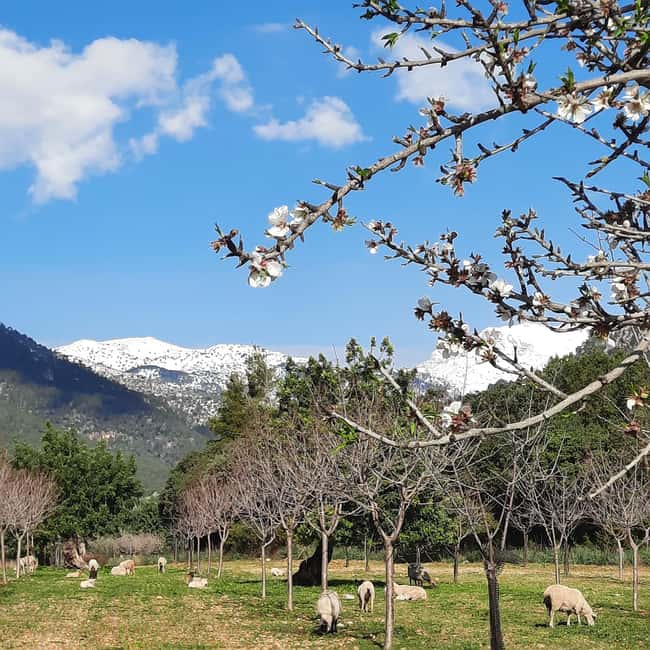
- Bloom timing varies across the island (from January into April), so the guide positions you for the best views that day
- Hotel pickup by minivan from multiple coasts, with small groups (max 8 per bus) for easier stops
- Dry-stone walls + blossom frames: the photo stops are set up for quick, beautiful pictures without hassle
- A short guided walk (about 15 minutes) plus village moments on narrow country roads
- Coffee tasting window plus a guide-led explanation of almond culture and how it becomes local treats
- You might meet a German guide such as Sven or Joe, depending on the day and group
Almond blossom season: why Mallorca feels different here
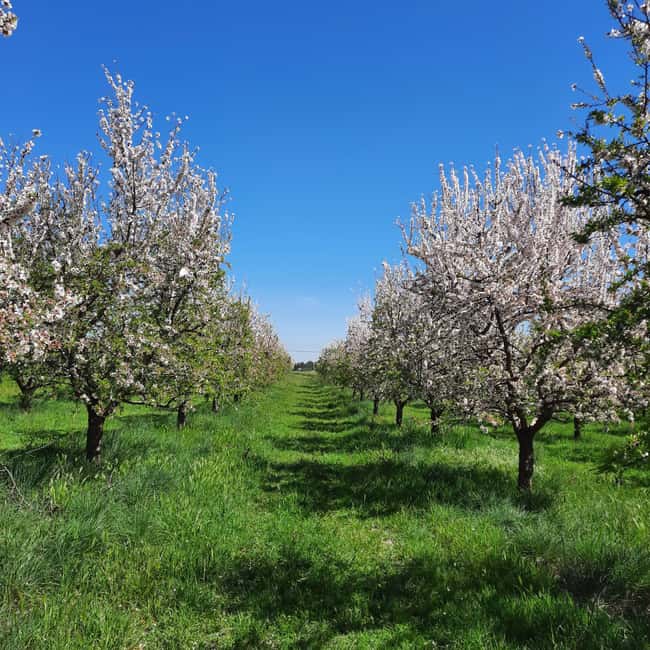
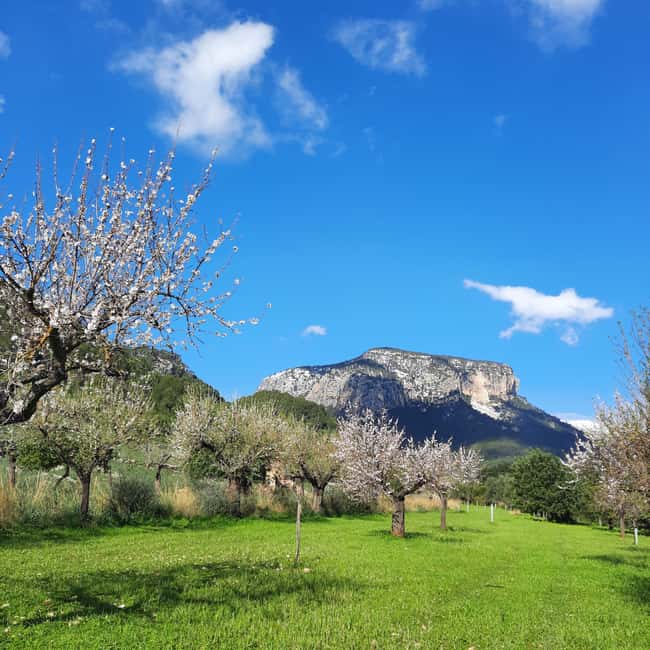
Almond blossoms turn Mallorca into a softer, more quiet place. Late January to early March is the sweet spot, and even within that window, bloom timing shifts depending on the weather and where you are on the island. That’s why this tour is built around seeing flowers in the countryside—not just from a scenic viewpoint for a few minutes.
What I like most is the focus on the “in-between” Mallorca. Instead of planning your day around beaches, you’re riding into the interior where dry-stone walls, rolling hills, and small villages set the scene. You also get that early-spring scent—cool air with a floral edge.
And the almond isn’t just decoration. The guide talks about how the almond became part of Mallorcan culture, including the idea that the Moors brought the trees to the island. You’ll learn why locals treat blossom season as a sign that winter is ending and spring is starting.
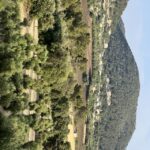
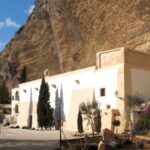
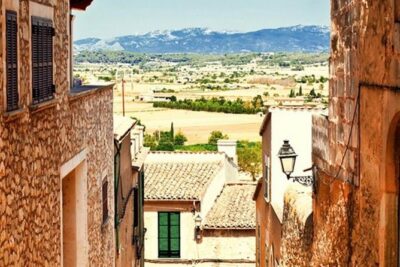
Inland Mallorca, villages and back roads

Getting to the good spots: minivan pickup and small-group flow
This is a practical tour. You don’t need to rent a car or figure out local bus connections for a limited-time seasonal experience.
Pickup is offered from five areas: Cala Ratjada, Alcúdia, Platja de Palma, Peguera, and Palma. The exact pickup point depends on where you’re staying, but the tour is set up to meet you by minibus and then return you to one of five drop-off locations: Platja de Palma, Peguera, Alcúdia, Cala Ratjada, and Palma.
The small-group setup matters. A minivan tour is easier to manage than a big bus when you’re stopping for photos or turning off to country lanes. It also keeps the day moving at a steady pace over the full 4 to 4.5 hours (the day plan is described as roughly 4–5 hours).
One practical note: this isn’t set up for heavy luggage. Oversize bags aren’t allowed, and bikes are not allowed either. If you travel light, you’ll feel comfortable; if you’re bringing big rolling suitcases, it’s worth adjusting your packing.
Photo stops in almond country: the best views aren’t random
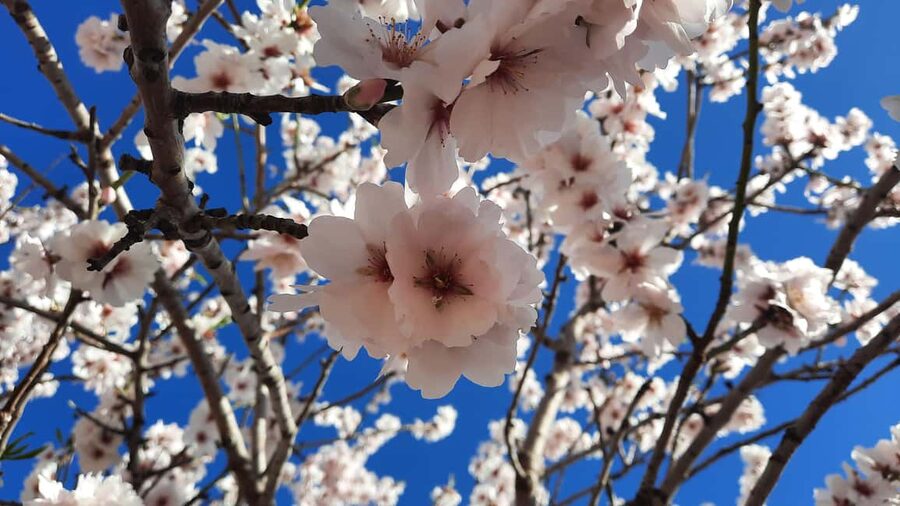
The whole point of the experience is getting you into position for blossom photos. You’ll have multiple stops built for stepping out and looking closely—flowers framed by the island’s famous dry-stone walls and the hills behind them.
One stop is scheduled for about 30 minutes specifically for photos, and the route includes other roadside viewing moments too. The timing is crucial because blossoms don’t all open on the same day across Mallorca. If the north is ahead and the hills are lagging, you’ll likely be redirected to where the trees are at their best.
Here’s why this is valuable: you’re not “hoping” to catch blossoms. The driver-guide, who knows where to go each day, reduces the guesswork. You’re also not stuck trying to find parking in tiny village lanes with the clock running.
Bring sunscreen and water. Even in cool spring mornings, you can get sun while you’re waiting at photo points, and you’ll want a drink once the coffee stop starts.
Narrow roads, village time, and a short walk you can handle
After the scenic drive (about 45 minutes), you get that first dose of countryside. From there, the day mixes quick stops with short segments on foot.
There’s a scheduled walking moment of around 15 minutes. That may sound easy, and for most people it is—just don’t plan on comfy sandals as your only footwear. One review mentioned a slightly bumpy, uneven stretch before getting back to the small bus, so the safest play is comfortable shoes that can handle rough ground for a short time.
The walk is part of the rhythm: you’re not doing a long hike, but you’re also not just sitting in traffic and pointing. Village and lane time matters in blossom season because the flowers look different at eye level. From a bus window, you’ll see color; on foot, you get details—the branches, the spacing of the trees, and the feeling of a place that’s waking up.
You’ll also pass through small areas often associated with almond groves across the island, with the guide highlighting regions around Bunyola, Santa Maria, Inca, and Son Servera. Even if you’ve visited Mallorca before, this route takes you into a side of the island you usually don’t see on beach-focused days.
Easier days with a local guide
- Palma de Mallorca: Guided Tour of the Old Town★ 4.9 · 822 reviews
- Palma: Caves of Genova Ticket & Digital Audio Guide★ 3.9 · 820 reviews
- Palma de Mallorca Old Town Guided Bike Tour (Small Groups)★ 4.6 · 563 reviews
- Cala Varques: Guided Sea Caves Kayak & Snorkeling Expedition★ 4.8 · 534 reviews
- Cala Millor/Sa Coma: Guided Buggy Tour★ 4.7 · 348 reviews
Coffee tasting and almond flavors: what’s included vs. what may cost extra
Expect a coffee tasting portion that lasts about an hour. This is the relaxed, sit-down part of the day, where the almond story has a chance to become something you can taste and discuss.
Now the key detail: the tour notes that the opportunity to try local almond products, food, or drinks is not included. That doesn’t mean there will be no almond items on the table—it means you shouldn’t count on the tour price covering everything you might want to sample.
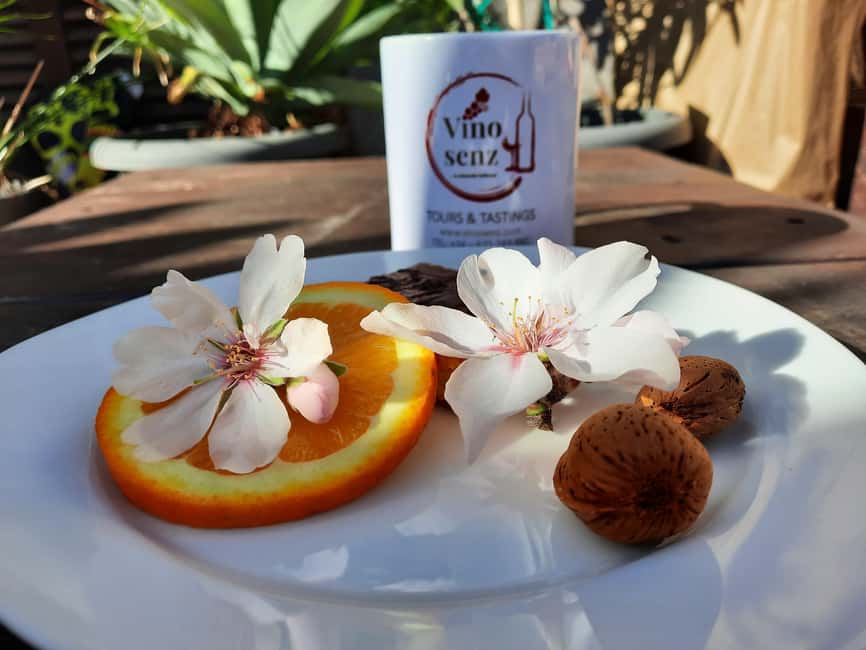
So think of the coffee stop as part tasting, part learning, and part optional spending. You might find almond cake or almond-based coffee options at the café stop, and some groups may include a brief almond liqueur tasting. Just plan your budget like a normal café meal—if you want more than the baseline, you’ll probably pay.
Also, there’s a guided segment of about 30 minutes. This is where the day can feel especially worthwhile: you get the “why” behind the almond, plus how it turns into island treats like gató (the famous almond cake), liqueurs, and almond oil.
The almond story: from Moors to modern Mallorca
This tour does a good job turning scenery into meaning. You’ll hear how the almond became a treasured symbol of Mallorca for centuries, and how the trees were introduced by the Moors. That historical thread matters because it explains why blossom season feels almost cultural, not just seasonal.
The guide shares practical agriculture context too—how almonds are harvested and how they get transformed into foods and products. You’ll leave with a clearer picture of what’s behind those groves you saw from the road.
One reason I think this works for real-life travelers: it helps you notice what you’re looking at. Instead of seeing trees as pretty scenery only, you start to connect blossoms to harvest cycles and to why locals care about the timing. That connection makes the photo stops more than a quick snapshot.
In other words, the day isn’t only about color. It’s about understanding why the island celebrates this short window of time so intensely.
Price and value: why $105 can make sense (and when it might not)
At about $105 per person for a 4–4.5 hour small-minivan tour, this isn’t a throwaway activity. You’re paying for three things: seasonal timing (late Jan–early March), logistics (hotel pickup/drop-off across several areas), and a German-speaking guide who directs you to photo-ready spots.
If you hate complicated travel planning, this price starts to feel fair. The cost buys you the van, the driving, and the routing so you’re not trying to assemble a countryside day with limited daylight and limited directions.
It also can be excellent value if the group is small. One experience described the tour operating with only two people, which naturally means you get more direct attention and more flexibility on where you want to pause.
But here’s the caution flag: it may feel expensive if what you really want is a food-heavy tasting day. The coffee stop is part of the program, and almond products may appear at the café—but the tour info signals that chances to try local products/food/drinks aren’t included. If you budget carefully, you’ll likely feel good about the price. If you assume you’ll be sampling lots of items for free, you may feel the opposite.
Who should book this tour—and who should skip it
This tour fits best if you want:
- early-spring countryside views without renting a car
- a short, manageable walking segment
- a German-guided explanation of almond culture (including harvesting and almond-based products)
It may not fit if:
- you need wheelchair accessibility (it’s not suitable for wheelchair users)
- you’re traveling with children under 18 (children aren’t allowed)
- you want a long nature hike or an all-day outdoor adventure
If you’re a couple, this kind of minivan day often hits the sweet spot: you get plenty of stops without feeling rushed, and you can focus on photos and conversation. If you’re traveling solo, the small group setup can still feel friendly and organized.
One more practical thought from real-world comfort: if you’re picky about hearing every explanation, sit where you can see and listen comfortably. Some groups may split seating in a way that affects who hears the guide best, so don’t assume every row gets the same audio experience.
Before you go: the small packing list that saves your day
This is the simple stuff that keeps the tour enjoyable:
- Comfortable shoes for a short walk on uneven ground
- Sunscreen, even when it feels cool
- Water, because photo stops can stretch and the day moves outdoors
Also, travel light. Oversize luggage isn’t allowed, and big bags may not fit the minivan setup comfortably. If you’re trying to bring everything for a full beach day, consider leaving some of that at your hotel.
Should you book this Mallorca almond blossom minivan tour?
I’d book it if you’re visiting Mallorca in late January, February, or early March and you want the island’s spring side without a car or complicated planning. The mix of guided almond context, multiple blossom photo stops, and hotel pickup makes it a clean, low-stress way to see something you can’t easily recreate on your own.
I’d think twice if your main goal is a long, food-heavy tasting tour or lots of walking. This is more about blossoms, villages, and learning than it is about eating your way through Mallorca.
If you want one strong reason to go: almond blossom season is short, and the guide’s job is to put you where the trees are actually blooming that day. That’s the difference between a nice drive and a memorable spring afternoon.
FAQ
When does the Mallorca almond blossom tour run?
The tour operates from late January to early March.
How long is the tour?
It runs about 4 to 4.5 hours (described as roughly 4–5 hours).
Where does hotel pickup happen?
Pickup is available from multiple areas on Mallorca, including Cala Ratjada, Alcúdia, Platja de Palma, Peguera, and Palma. Drop-off is also offered in these areas.
What language is the guide?
The live tour guide speaks German.
Is the group size limited?
Yes. It’s a private or small-group minivan tour, with a maximum of 8 people per bus.
Is it suitable for wheelchair users or children?
No. It is not suitable for wheelchair users, and children under 18 are not allowed.
More Mallorca Tours to Compare
- Palma de Mallorca: City Sightseeing Hop-On Hop-Off Bus Tour
★ 4.1 · 4,450 reviews - Mallorca: Island Tour with Boat, Tram & Train from the South
★ 4.4 · 3,888 reviews - Palma de Mallorca: Half-Day Catamaran Tour with Buffet Meal
★ 4.5 · 3,190 reviews - Palma de Mallorca: Sunset Boat Tour
★ 4.6 · 2,894 reviews - Mallorca: ATV /Quad Bike Tour
★ 4.8 · 2,712 reviews - Mallorca: Palma Boat Tour & Snorkeling with Drink Included
★ 4.4 · 2,444 reviews
More Mallorca Trips, Reviewed
- Palma: Cathedral of Mallorca Skip-the-Line Entry Ticket
★ 4.6 · 14,386 reviews - Palma de Mallorca: 5-Hour Catamaran Cruise with Lunch & Swim
★ 4.5 · 9,957 reviews - Porto Cristo: Caves of Hams Entry Ticket
★ 4.2 · 6,548 reviews - Palma de Mallorca: City Sightseeing Hop-On Hop-Off Bus Tour
★ 4.1 · 4,450 reviews - Mallorca: Island Tour with Boat, Tram & Train from the South
★ 4.4 · 3,888 reviews - Palma de Mallorca: Half-Day Catamaran Tour with Buffet Meal
★ 4.5 · 3,190 reviews
Inland Villages and Back Roads
- Mallorca: Guided Horseback Ride in Randa Valley
★ 4.8 · 239 reviews - Jet Boat Excursion in South West Coast of Mallorca
★ 5.0 · 110 reviews - Palma: Orange Valley Vintage Train and Orange Farm Tour
★ 4.7 · 49 reviews - Mallorca: Discovering 5 Charming Villages of Mallorca
★ 4.8 · 38 reviews - MALLORCA: JET SKI TO CALA MONDRAGÓ, CALA D’OR
★ 4.7 · 20 reviews - Mallorca: West Coast & Orange Valley Minbustour
★ 4.9 · 14 reviews
Just Reviewed: Fresh Mallorca Trips
Scenic Villages & Countryside, compared.
 ★ 4.8Guided Horseback Ride in Randa ValleyFrom $116239 reviews
 ★ 5.0Jet Boat Excursion in South West Coast of MallorcaFrom $84110 reviews
 ★ 4.7Palma: Orange Valley Vintage Train and Orange Farm TourFrom $25349 reviews
 ★ 4.8Discovering 5 Charming Villages of MallorcaFrom $8838 reviews
 ★ 4.7MALLORCA: JET SKI TO CALA MONDRAGÓ, CALA D’ORFrom $19920 reviews
 ★ 4.9West Coast & Orange Valley MinbustourFrom $12314 reviews
 ★ 4.5Windmills, Legends and Charming VillagesFrom $9012 reviews
Winery & Villages of the Tramuntana Private TourFrom $3979 reviews
★ 4.5Windmills, Legends and Charming VillagesFrom $9012 reviews
Winery & Villages of the Tramuntana Private TourFrom $3979 reviews
Browse the lists this tour appears in