
Reviewed · OLIVE OIL & TAPAS TASTINGS
Guided Tasting Tour in 16th century House and Olive Oil Factory
Olive oil tasting in an actual old home. At Can Det, a family-run operation in a 16th-century house and historic oil mill, you’ll learn the traditional way the Sóller valley harvest becomes oil, then eat a very real brunch in their dining room. I especially like the balance here: hands-on production context plus a sit-down tasting with Mallorcan staples like bread, tomatoes, olives, almonds, and orange products.
Two practical bonuses make it worth your time: the visit is short (about an hour) and the food includes drinks like local wine and fresh orange juice. One thing to plan for: if you’re going outside the harvest window, you may not see active oil processing live, since it depends on olive availability between October and January.
In This Review
- Key Things to Know Before You Go
- Can Det: a 16th-century house and mill in Sóller
- Inside the tour: house, garden, and the oil-making system
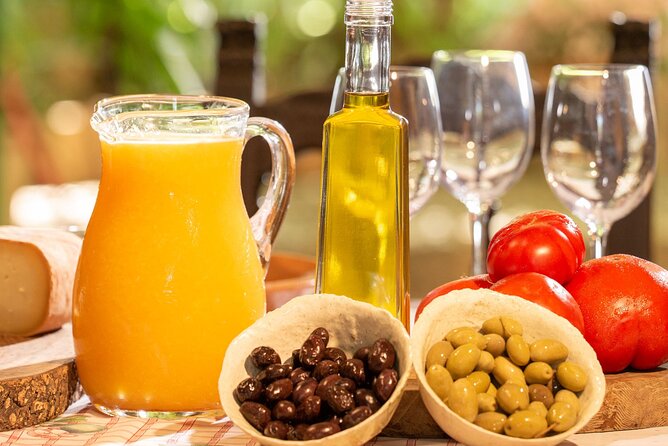
- The brunch tasting: olives, ramallet tomatoes, bread, and orange everything
- Seeing live olive processing: what changes by season
- Stop in Sóller and what the 12:00 timing means
- Who should book this Can Det tasting tour?
- Price and value: $31.46 for a short, sit-down food lesson
- FAQ
- How long is the guided tasting tour?
- Where does the tour start?
- What time does the tour run?
- Is the tour in English?
- What’s included in the tasting or brunch?
- Can I see olive oil production live?
- Does the tour include olive or orange tree plantations?
- Is this a private tour?
- Is it easy to reach by public transportation, and is a service animal allowed?
- Should you book Can Det for olive oil and orange brunch?
Key Things to Know Before You Go
- Can Det is a working family mill in a historic house (including the garden) where the traditional system is still used
- You get an educational oil-production walkthrough, including an audiovisual presentation
- Expect a full tasting brunch, not just a couple of sips: bread, ramallet tomatoes, olives, almonds, cheese, marmalade, and more
- Fresh orange juice is part of the experience, along with water and local wine
- Live production may be possible Oct–Jan, but outside that season you’ll still learn the process
- The tour focuses on the house and mill, not on walking through olive or orange plantations
Can Det: a 16th-century house and mill in Sóller
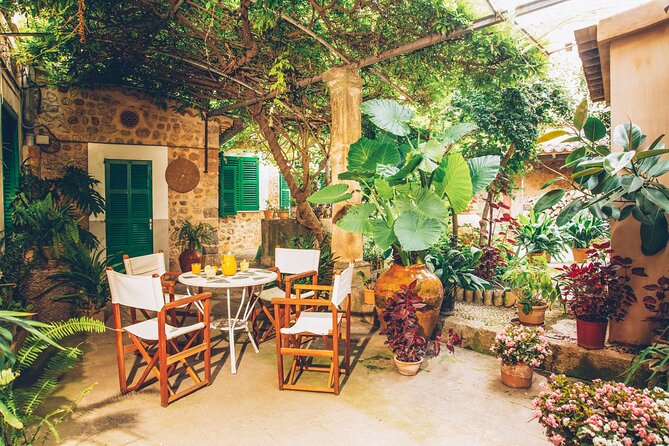
This tour works because it’s not staged. You’re visiting the family’s 400-year-old home, Can Det, and then seeing how the oil production system is preserved in their oil mill. That matters, because olive oil tastings can turn into a quiz and a snack. Here, you get the story behind what you’re eating.
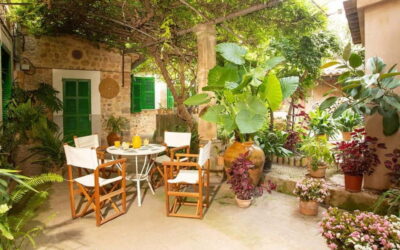
The setting also does some of the work for you. You’ll take in the Sóller valley views while you’re learning how ancient olives and citrus fit together on this land. It’s a calmer pace than big group food tours in Palma, and the hour feels like it moves at a human speed.
One more thing I like: the hosts are connected to the business, so explanations feel tied to real work rather than a generic script. Depending on the day, you might be guided by family members such as Tomeo or Ann—both names that come up when people talk about the warm welcome and clear explanations.
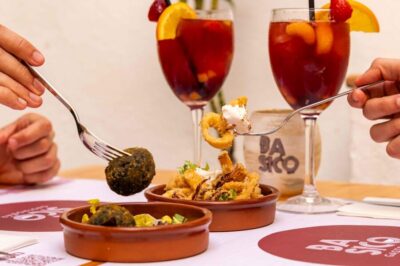
Small plates and island oil, keep tasting

Inside the tour: house, garden, and the oil-making system
Your experience starts at Carrer d’Ozones, 8 in Sóller, and then you move through Can Det’s historic space. The core of the visit is the oil mill in the house property—where the traditional method is still kept alive.
Here’s what you should expect in practical terms:
- Historic house visit: you’re shown the 400-year-old Can Det setting and its imposing garden. Even if you’re not a “historic houses” person, the garden helps you understand how farming and daily life were connected here.
- How the mill fits the olives: you’ll learn the ins and outs of local olive oil production, including how the family connects their work to ancient olive trees and citrus cultivation.
- Audiovisual presentation: they show a presentation of the oil production process, so you don’t have to guess what each step means.
This is where the tour earns its keep. The tasting makes more sense when you understand what changes in the process can affect taste. You’re not just chasing a flavor label like fruity or peppery—you’re learning what produces it.
The brunch tasting: olives, ramallet tomatoes, bread, and orange everything
After the explanation, you sit down for the tasting in the dining room. This is the part that turns a “tour” into a meal you’d actually be happy to pay for on its own.
The menu is built around classic Mallorcan basics, including:
- Olive oil and olives
- Mallorcan bread
- Ramallet tomatoes
- Cheese
- Toasted almonds
- Marmalade (including orange jam)
- Plus orange juice, water, and local wine
What I like about this tasting is the pacing. It’s not a hard sell where you’re forced to taste six things in five minutes. The food lineup is also smart: bread and tomatoes help you understand how oil works in real local eating, not just in a tasting-room swirl.
A small but important detail: some olives and oil flavor differences can feel subtle until you’ve had a bite with bread and tomatoes. When you do get that pairing, the tasting stops being abstract. You start tasting the land and the method.
And yes—people also value that they can purchase bottles of their olive oil. One reason this feels special is that it’s not sold in typical stores, so buying it feels like you’re taking home a direct link to the family business.
Seeing live olive processing: what changes by season
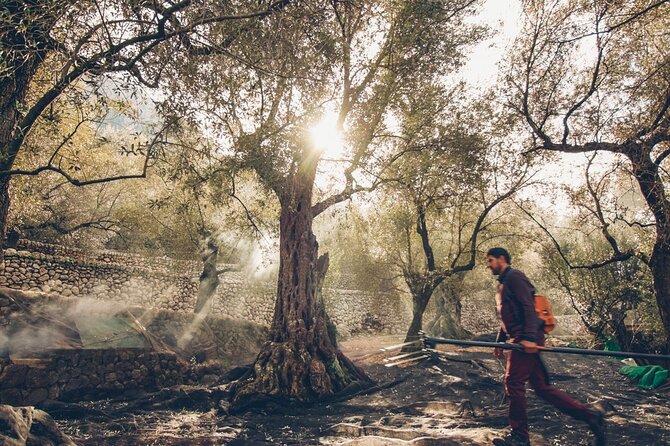
This tour is year-round, but your chance to see active olive processing live depends on timing. Between October and January, you might be able to see live production if olives are available.
If you’re visiting outside that window, don’t worry—you still get the full production explanation. You’ll just be learning the process rather than watching it run.
This is worth putting on your decision checklist:
- If you want the closest thing to seeing the mill at work, aim for Oct–Jan.
- If your priority is the historic house, education, and the brunch tasting, you can go any time and still get a solid experience.
Either way, the audiovisual presentation helps you follow along, so you’re not standing there wondering what you’re looking at.
More island plates and glasses
- Mallorca: Horseback Riding Experience with Food Options★ 4.6 · 1,424 reviews
- The Award-Winning PRIVATE Food Tour of Mallorca: The 10 Tastings★ 4.5 · 317 reviews
- Binissalem: Individual vineyard tour and wine tasting in German★ 4.9 · 190 reviews
- Mallorca: Bodega Butxet Vineyards & Winery Tour with Tasting★ 4.8 · 178 reviews
- Guided Tasting Tour in 16th century House and Olive Oil Factory★ 5.0 · 169 reviews
Stop in Sóller and what the 12:00 timing means
The tour meets in Sóller at 12:00 pm and ends back at the same meeting point. That lunch-time timing matters. You’re going to be hungry, and the tasting is meant to land like a brunch.
Also, Sóller itself is part of the appeal. The town is where you slow down a bit, walk between buildings, and enjoy the valley mood. If you’re coming from Palma, factor in drive time. The ride is often described as scenic, but it still takes longer than people expect.
One practical note from real-world experience: parking can be tricky in and around the meeting area. If you’re driving, build extra time so you don’t feel stressed walking in late.
Who should book this Can Det tasting tour?
This tour fits best if you want:
- A real family operation tied to olives and citrus
- A historic setting that actually relates to the food
- Short timing (about one hour) with a proper brunch tasting at the end
- An English-guided experience that explains how the oil is made
You’ll probably enjoy it even more if you’re curious about the difference between tasting olive oil as a product and tasting it as part of everyday Mallorcan eating—bread, tomatoes, cheese, olives, and the citrus notes that show up through their orange juice and jam.
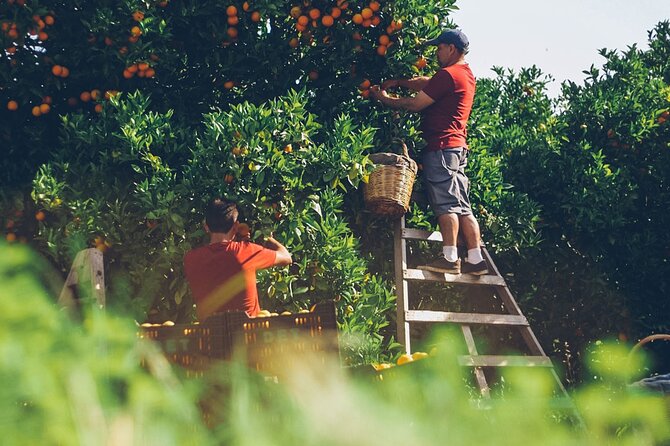
Who might think twice? If you’re only interested in olive groves and want a walk among trees, this visit doesn’t include the plantations. The tour focuses on the house and mill, plus the tasting. They can arrange additional plantation visits if you contact them in advance, but that’s a separate add-on.
Price and value: $31.46 for a short, sit-down food lesson
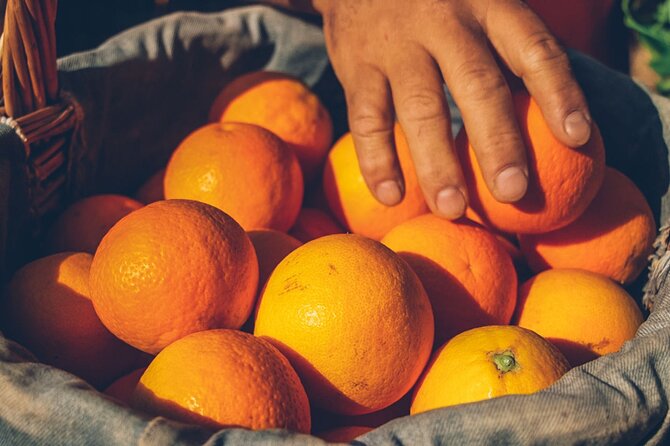
At about $31.46 per person, this is priced like a tasting, but it performs more like a compact culinary lesson. You get:
- Historic house and mill visit (not just a room with samples)
- An audiovisual explanation of production
- A tasting meal with multiple local products
- Drinks included (water, local wine, and their orange juice)
When you compare that to how often olive oil tastings end up being mostly standing around with tiny pours, the value here is that you leave full and informed. You’re not spending the hour just “seeing the place.” The tasting portion is substantial enough to feel like part of your day.
FAQ
How long is the guided tasting tour?
It lasts about 1 hour.
Where does the tour start?
It starts at Carrer d’Ozones, 8, 07100 Sóller, Illes Balears, Spain.
What time does the tour run?
The start time listed is 12:00 pm.
Is the tour in English?
Yes, it’s offered in English.
What’s included in the tasting or brunch?
The tasting includes olive oil, olives, Mallorcan bread, tomatoes (ramallet), cheese, toasted almonds, marmalade, plus orange juice, water, and local wine.
Can I see olive oil production live?
Between October and January, it may be possible to see the production live depending on olive availability.
Does the tour include olive or orange tree plantations?
No. The tour does not include the orange and/or olive tree plantations. You can ask in advance if you want to arrange an extra visit.
Is this a private tour?
It’s listed as a private tour/activity, meaning only your group participates.
Is it easy to reach by public transportation, and is a service animal allowed?
The activity is near public transportation, and service animals are allowed.
Should you book Can Det for olive oil and orange brunch?
If you’re in Sóller and you want something authentic that won’t eat your whole day, I’d book it. The big win is the pairing: historic Can Det house + the preserved traditional oil mill + a sit-down tasting that actually tastes like Mallorca.
Book this tour if your priorities are education, food, and a calm pace. Skip it only if you’re specifically looking for an olive grove walk as part of the main tour. For everyone else, it’s a strong value way to understand why Mallorcan olive oil tastes the way it does—and to take home bottles made the old way.
More Mallorca Tours to Compare
- Palma de Mallorca: City Sightseeing Hop-On Hop-Off Bus Tour
★ 4.1 · 4,450 reviews - Mallorca: Island Tour with Boat, Tram & Train from the South
★ 4.4 · 3,888 reviews - Palma de Mallorca: Half-Day Catamaran Tour with Buffet Meal
★ 4.5 · 3,190 reviews - Palma de Mallorca: Sunset Boat Tour
★ 4.6 · 2,894 reviews - Mallorca: ATV /Quad Bike Tour
★ 4.8 · 2,712 reviews - Mallorca: Palma Boat Tour & Snorkeling with Drink Included
★ 4.4 · 2,444 reviews
More Mallorca Trips, Reviewed
- Palma: Cathedral of Mallorca Skip-the-Line Entry Ticket
★ 4.6 · 14,386 reviews - Palma de Mallorca: 5-Hour Catamaran Cruise with Lunch & Swim
★ 4.5 · 9,957 reviews - Porto Cristo: Caves of Hams Entry Ticket
★ 4.2 · 6,548 reviews - Palma de Mallorca: City Sightseeing Hop-On Hop-Off Bus Tour
★ 4.1 · 4,450 reviews - Mallorca: Island Tour with Boat, Tram & Train from the South
★ 4.4 · 3,888 reviews - Palma de Mallorca: Half-Day Catamaran Tour with Buffet Meal
★ 4.5 · 3,190 reviews
Island Oil and Small Plates
- Palma de Mallorca: Gourmet Tapas and Wine Tour
★ 4.5 · 627 reviews - Palma de Mallorca: Foodie Walking Tour of the Old Town
★ 4.6 · 372 reviews - The Award-Winning PRIVATE Food Tour of Mallorca: The 10 Tastings
★ 4.5 · 317 reviews - Palma: Culinary Tapas Tour of the Old Town
★ 4.8 · 114 reviews - Visit of the olive grove, olive oil tasting and snack
★ 4.9 · 111 reviews - Alcudia: Self-Guided Gourmet Tapas and Wine Tour
★ 4.3 · 94 reviews
Just Reviewed: Fresh Mallorca Trips


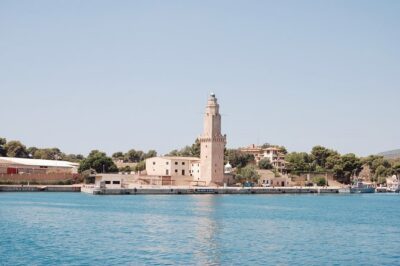
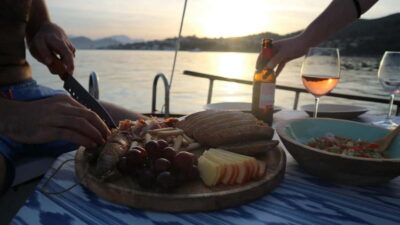
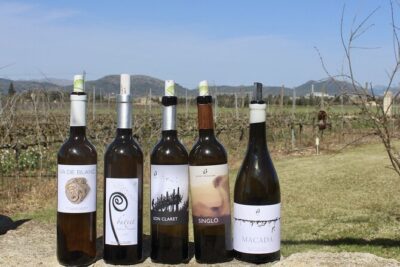
Olive Oil & Tapas Tastings, compared.
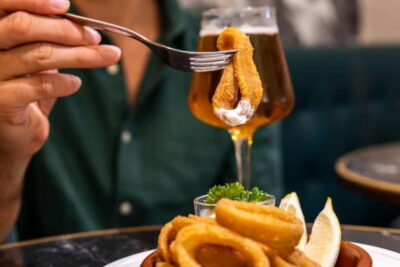 ★ 4.5Gourmet Tapas and Wine TourFrom $65627 reviews
 ★ 4.6Foodie Walking Tour of the Old TownFrom $77372 reviews
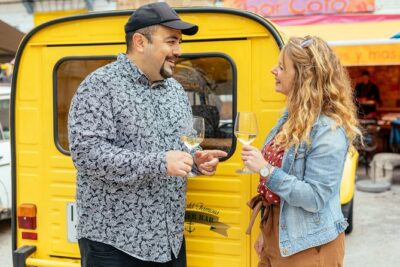 ★ 4.5The Award-Winning PRIVATE Food Tour of Mallorca: The 10 TastingsFrom $146317 reviews
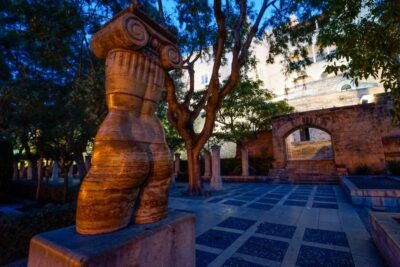 ★ 4.8Palma: Culinary Tapas Tour of the Old TownFrom $194114 reviews
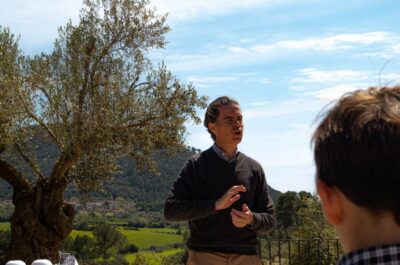 ★ 4.9Visit of the olive grove, olive oil tasting and snackFrom $58111 reviews
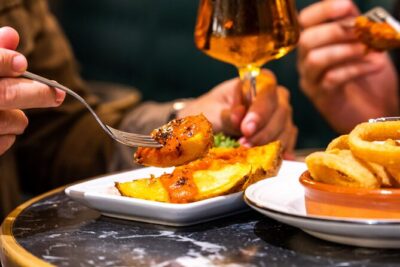 ★ 4.5Gourmet Tapas and Wine Tour in Palma de MallorcaFrom $6698 reviews
 ★ 4.3Alcudia: Self-Guided Gourmet Tapas and Wine TourFrom $5594 reviews
 ★ 4.8Sóller: Olive Oil Guided Tour and Tasting at Can Det EstateFrom $3582 reviews
Browse the lists this tour appears in