
Reviewed · TICKETS
The March Palace Entry Ticket
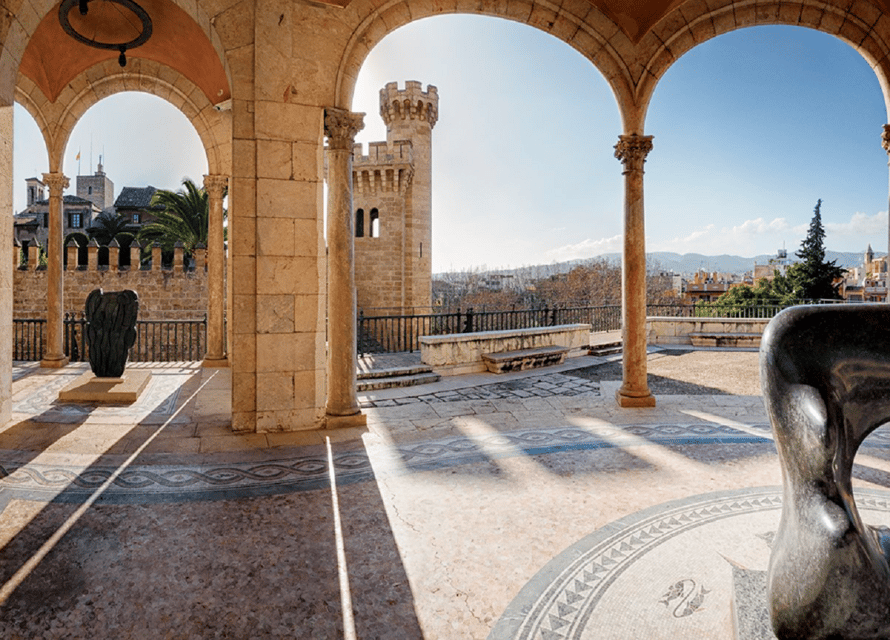
A palace ticket in Palma that doesn’t waste your time. Palau March is the March family residence turned museum, built between 1939 and 1945, with notable artists involved in its creation. I like how this place mixes big-name art moments with hands-on curiosities like historical maps, so you’re not stuck choosing between art and culture.
I especially like the three standout attractions: the 18th-century Neapolitan nativity scene, a major collection of Mallorcan cartography, and modern/contemporary sculpture. The setting also helps: you’re in a real palace environment, not just a warehouse of exhibits.
One heads-up: it’s easy to finish faster than you expect. A few visitors clock it at about half an hour to an hour if you skim, so I’d plan for a relaxed pace if you want to really read what’s on view.
In This Review
- Quick hits before you go
- Palau March: a residence-turned-museum with real variety
- What you’ll see inside: the museum’s core attractions
- The Neapolitan nativity scene: where craft does the talking
- Mallorcan cartography: maps that feel personal
- Modern and contemporary sculptures: the museum’s attitude shift
- Josep Sert mural connections: art in the walls
- Your one-day plan in Palma: timing that works
- Price and value: is $11 worth it?
- Logistics that actually matter: vouchers, tickets, and pacing
- Who should book this entry ticket (and who might skip it)
- Should you book Palau March?
- FAQ
- What is included with the March Palace entry ticket?
- Do I need to exchange my voucher before entering?
- What are the opening hours for Palau March Museum?
- Is hotel pickup or drop-off included?
- Are food and drinks included with the ticket?
- How long is the ticket valid?
- What is the cancellation policy?
Quick hits before you go
- Palace setting (1939–1945): March family home in Palma, later adapted into the museum
- Neapolitan nativity (18th century): a spectacular religious display with craft and detail
- Mallorcan cartography collection: one of the museum’s signature strengths
- Modern & contemporary sculpture: a noticeable shift from the older historical material
- Josep Sert murals: you’ll find painted works linked to this major 20th-century muralist
- Good odds of low crowds: off-season visits can feel almost private
Palau March: a residence-turned-museum with real variety
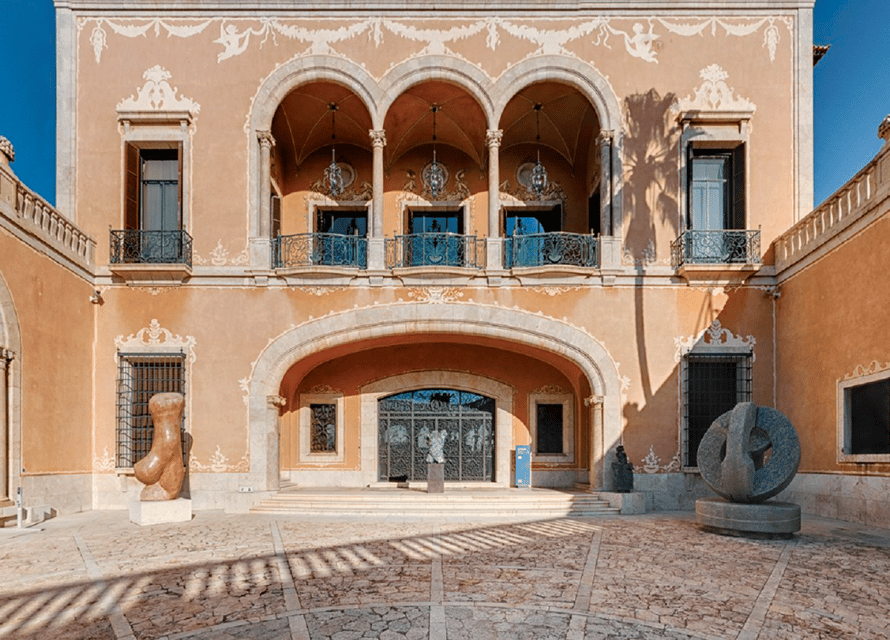
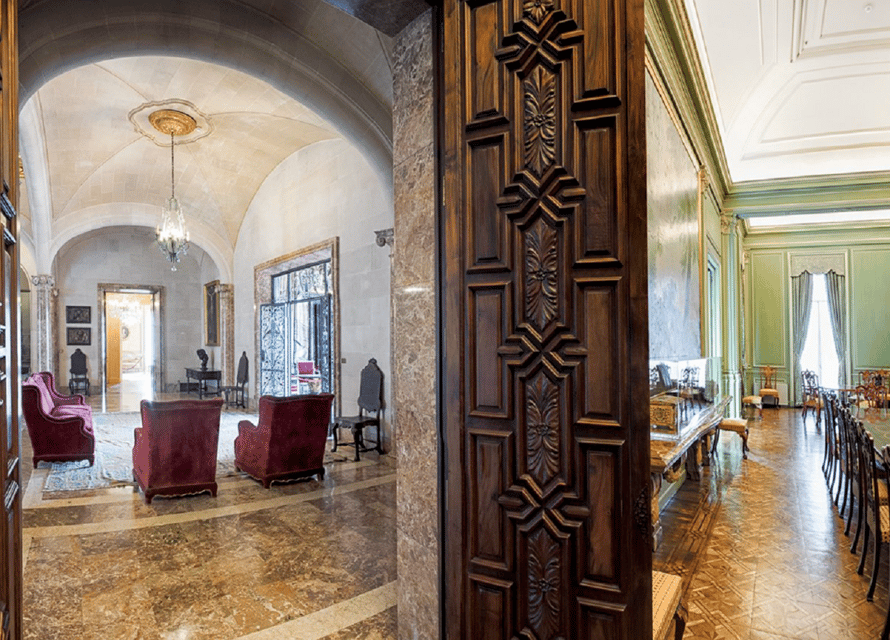
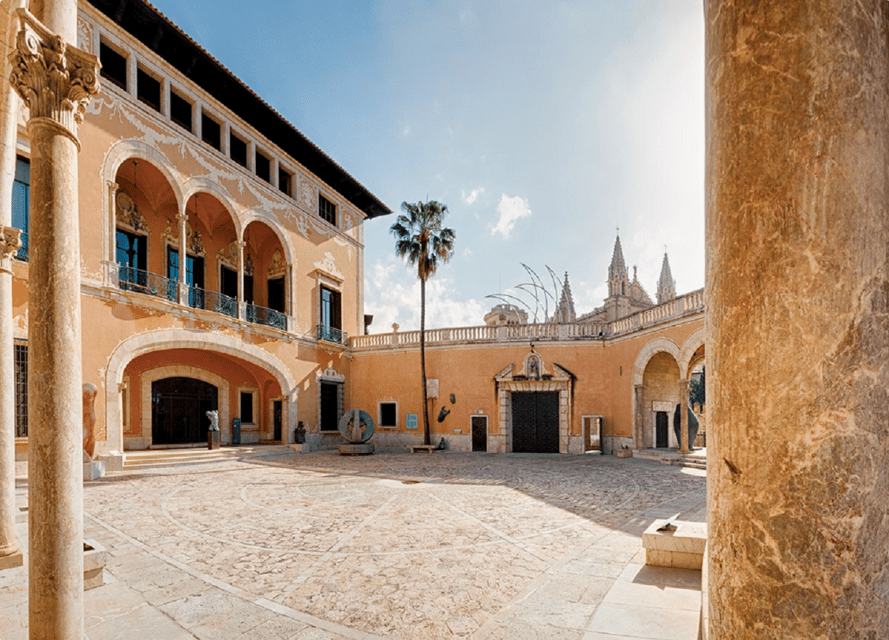
Palau March isn’t just a museum where you shuffle from painting to painting. It feels like a home that became a cultural showcase, and that changes how you experience the space. The palace was built between 1939 and 1945, and the record of important artists being involved gives the place a certain artistic confidence from the start.
For your day in Palma, the big win is variety with a clear theme: art and culture tied to Mallorca. You get modern sculpture, historical cartography, and that striking Neapolitan nativity scene in the same visit. That combination is rare, and it makes the ticket feel like it covers more than one museum “type.”
Also, if you’re traveling solo, you might love the vibe here. Some people have reported being nearly alone inside. Even if you don’t get that exact scenario, you’ll likely find it calmer than the biggest, most famous attractions in town.
Worth weighing up before you book this Mallorca trip:


What you’ll see inside: the museum’s core attractions
There’s no need to overthink the route. The ticket is for entry to Palau March Museum, and the highlights are distinct enough that you can build your own flow. If you’re the kind of visitor who likes a plan, I’d use the three main sections below as your backbone, then add time for whatever grabs your attention.
The Neapolitan nativity scene: where craft does the talking
The museum’s 18th-century Neapolitan nativity is one of the headline draws. It’s not just a seasonal decoration. It tends to reward slow looking—faces, figures, and composition details—so it works well if you like art that’s made to be studied.
Even if you’re not usually into nativity scenes, I think you’ll appreciate what it represents: a tradition of storytelling through craftsmanship. In a museum that also includes maps and sculpture, the nativity scene gives you a different kind of “history”—the history of how people staged meaning and belief in everyday spaces.
Tip: if you get to the museum and feel a bit rushed, don’t skip this first. It’s the attraction most likely to win you over once you’re in front of it.
Mallorcan cartography: maps that feel personal
One of Palau March Museum’s strengths is its collection of Mallorcan cartography, described as among the best in the world. That’s a big claim, but even without nerding out, you’ll feel what cartography brings to the visit: perspective.
Maps are a cultural artifact. They show what people considered important, where they placed knowledge, and how Mallorca was understood and represented over time. If you enjoy travel history that’s grounded in objects—not just dates—this part can be satisfying in a quiet, “wait, look at that” way.
I also like that it fits the palace setting. You’re literally in a refined residence, but the objects inside point outward—toward the island, toward trade, toward movement. It’s not abstract art theory. It’s visual thinking about where you are.
- Palma: Cathedral of Mallorca Skip-the-Line Entry Ticket★ 4.6 · 14,386 reviews
- Palma de Mallorca: 5-Hour Catamaran Cruise with Lunch & Swim★ 4.5 · 9,957 reviews
- Porto Cristo: Caves of Hams Entry Ticket★ 4.2 · 6,548 reviews
- Palma de Mallorca: City Sightseeing Hop-On Hop-Off Bus Tour★ 4.1 · 4,450 reviews
- Mallorca: Island Tour with Boat, Tram & Train from the South★ 4.4 · 3,888 reviews
Modern and contemporary sculptures: the museum’s attitude shift
Then you hit the modern and contemporary sculpture collection, and the mood changes. This isn’t a museum that only trades in old-world atmosphere. It makes space for newer artistic voices, giving you a sense of how the palace’s cultural role evolved.
If you’re used to Palma as mostly architecture and old churches, the sculpture rooms can feel like a refreshing pivot. You’ll be looking at form, texture, and materials, not trying to identify a single saint or period. That shift also helps you break up your visit. One hour in art history mode is good; mixing it with modern art makes the day feel less repetitive.
A practical note: sculpture viewing can be a “pace your eyes” experience. If you’re tempted to sprint through, consider giving yourself extra time here, because walking too fast can make sculpture feel harder to appreciate than it needs to be.
Josep Sert mural connections: art in the walls
Palau March also includes painted works connected with Josep Sert, one of the most prestigious muralists of the 20th century. Even if you don’t know Sert’s work before visiting, it helps to be aware that the museum isn’t only displaying things in frames. There’s a muralist’s kind of thinking in how you see the space—paint as part of the architecture.
In other words: don’t treat Palau March like a hallway of pictures. Look up and around. It’s one of those museums where your appreciation grows when you stop aiming straight ahead and start checking the room as a whole.
Your one-day plan in Palma: timing that works
You’re getting a one-day entry ticket, and the museum is open 10:00am to 5:30pm. That opening window matters because it affects crowds. If you want a calmer visit, aim for earlier in the day or consider off-season timing.
A few people have specifically noted that visiting in November can mean almost no crowds. That’s the kind of detail that can change your whole museum experience. In a quieter setting, you can actually slow down for the nativity scene and spend real time with the maps—two highlights that reward patience.
How long should you plan? The museum can feel short if you move quickly. Some visitors have mentioned being through in about half an hour. If you want a more satisfying pace—reading explanations, looking at textures, and not turning it into a checklist—plan for closer to an hour to an hour and a half, depending on your style.
Practical strategy I recommend:
- Start with the piece that’s your main motivation (for many people, that’s the nativity scene).
- Then switch to cartography (maps often feel more interesting once your brain is awake).
- Finish with sculpture so you end on variety and energy.
Price and value: is $11 worth it?
At $11 per person, this ticket sits in the “easy to justify” category for Palma. The value isn’t only about the cost. It’s what you get for that money in one pass: palace atmosphere, multiple art forms, and three clear signature highlights.
If you’re traveling with limited time, value improves because you’re not buying separate tickets for separate themes. One entry ticket covers the museum’s main attractions, including modern/contemporary sculpture and the Neapolitan nativity scene.
And if you end up moving through faster than expected, that also keeps the experience low-commitment. The only way it wouldn’t feel like value is if you come expecting a sprawling, multi-building complex. Palau March is more compact than you might imagine, so manage your expectations on scope.
On booking platforms, the ticket is averaging around 4.4 out of 5 from 11 entries, which lines up with the most common pattern: people tend to leave satisfied, especially when they’re able to enjoy it calmly.
Logistics that actually matter: vouchers, tickets, and pacing
This is straightforward entry, not a complicated guided trek. There’s no hotel pickup or drop-off, and there’s also no food or drinks included. So build your Palma day like you would for any museum stop: get here when you’re ready to look, and plan your snack separately.
Also keep these points in mind:
- You need to exchange your voucher at the ticket counter before your visit starts.
- All visitors must show their tickets at the entrance.
If you’re trying to fit Palau March between other Palma sights, treat it like a high-quality “slot” that can work at the beginning or middle of your day. With opening hours running until 5:30pm, you’ve got flexibility—especially if your morning plans run late.
One more tip: if you’re hoping for a near-private experience, don’t count on it on peak days. But given the reports of quieter visits in places like November, you can stack your odds by going off-season and arriving earlier.
Who should book this entry ticket (and who might skip it)
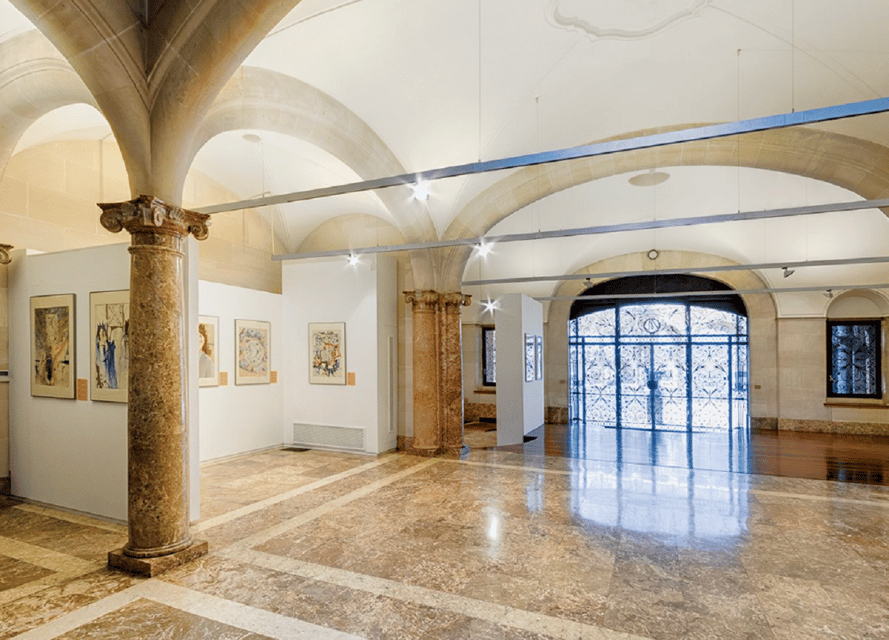
I’d point you toward Palau March if you want:
- A museum that mixes historical detail with modern art
- A strong visual attraction, especially the 18th-century Neapolitan nativity
- A cultural stop that’s easy to fit into a day in Palma without stress
It’s also a great choice if you like travel experiences that feel personal rather than like a theme-park schedule. The palace setting helps, and the content mix keeps you from feeling bored.
I’d skip it if you’re only interested in grand, hour-after-hour museum marathons, because the visit can feel short for some people. And if you dislike slower looking—especially with maps or sculpture—you’ll want to go in with intention, not autopilot.
Should you book Palau March?
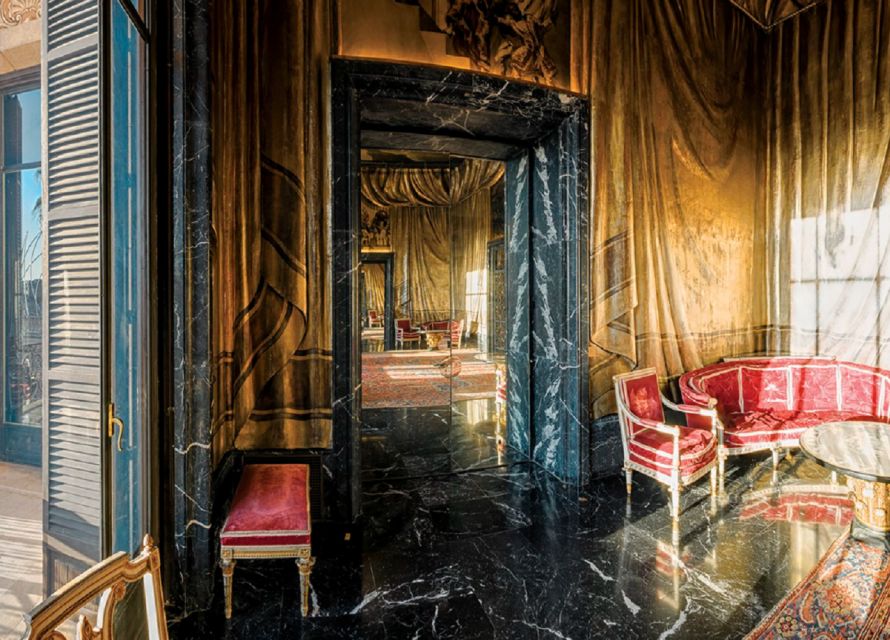
Yes, if you want a compact museum stop in Palma that delivers multiple art styles in one ticket. With $11 entry, the price is friendly, and the highlights are specific enough that you can feel confident you won’t be wandering aimlessly.
Book it if your priorities include the nativity scene, Mallorcan cartography, or seeing how a palace built in the mid-20th-century era became a serious art museum. Also consider it strongly if you’re visiting in a calmer season, because the experience can feel much more relaxed when the rooms aren’t crowded.
If you only want one thing—like modern art only—or you need a huge museum to feel satisfied, then you might want a different Palma pick. But for most people looking for a meaningful, easy day stop, Palau March is an efficient yes.
FAQ
What is included with the March Palace entry ticket?
The ticket includes entry tickets to Palau March Museum.
Do I need to exchange my voucher before entering?
Yes. You must exchange your voucher at the ticket counter before the tour begins.
What are the opening hours for Palau March Museum?
The museum opens from 10:00am to 5:30pm.
Is hotel pickup or drop-off included?
No. Hotel pickup and drop-off are not included.
Are food and drinks included with the ticket?
No. Food and drinks are not included.
How long is the ticket valid?
The ticket is valid for 1 day.
What is the cancellation policy?
You can cancel up to 24 hours in advance for a full refund.
Entry Sorted Before You Land
- Palma: Cathedral of Mallorca Skip-the-Line Entry Ticket
★ 4.6 · 14,386 reviews - Porto Cristo: Caves of Hams Entry Ticket
★ 4.2 · 6,548 reviews - Mallorca: Palma Aquarium Entry Ticket w/ Optional 3D Cinema
★ 4.5 · 3,076 reviews - Mallorca: Dinosaurland and Caves of Hams Combined Ticket
★ 4.5 · 1,167 reviews - La Almudaina Palace Entry Ticket
★ 4.4 · 874 reviews - Manacor: Rafa Nadal Exhibition Entry Ticket
★ 4.6 · 836 reviews
More Mallorca Trips, Reviewed
- Palma: Cathedral of Mallorca Skip-the-Line Entry Ticket
★ 4.6 · 14,386 reviews - Palma de Mallorca: 5-Hour Catamaran Cruise with Lunch & Swim
★ 4.5 · 9,957 reviews - Porto Cristo: Caves of Hams Entry Ticket
★ 4.2 · 6,548 reviews - Palma de Mallorca: City Sightseeing Hop-On Hop-Off Bus Tour
★ 4.1 · 4,450 reviews - Mallorca: Island Tour with Boat, Tram & Train from the South
★ 4.4 · 3,888 reviews - Palma de Mallorca: Half-Day Catamaran Tour with Buffet Meal
★ 4.5 · 3,190 reviews
Just Reviewed: Fresh Mallorca Trips





Tickets, compared.
 ★ 4.6Palma: Cathedral of Mallorca Skip-the-Line Entry TicketFrom $1214,386 reviews
 ★ 4.2Porto Cristo: Caves of Hams Entry TicketFrom $216,548 reviews
 ★ 4.5Palma Aquarium Entry Ticket w/ Optional 3D CinemaFrom $363,076 reviews
 ★ 4.5Dinosaurland and Caves of Hams Combined TicketFrom $291,167 reviews
 ★ 4.4La Almudaina Palace Entry TicketFrom $11874 reviews
 ★ 4.6Manacor: Rafa Nadal Exhibition Entry TicketFrom $10836 reviews
 ★ 3.9Palma: Caves of Genova Ticket & Digital Audio GuideFrom $14820 reviews
 ★ 4.7Magaluf: Pirates Adventure Dinner Show TicketFrom $68779 reviews