
Reviewed · COASTEERING & CLIFF JUMPING
Mallorca: coasteering South
Ready for cliff-to-sea fun? This coasteering adventure near Calvià packs five jumps, psicobloc/DWS, and a sea zipline into about three hours, with knockout coastal views. The main catch is simple: you have to be comfortable swimming in open water, because visibility can drop and conditions can get choppy.
What makes it especially appealing is how much you do in one location (and with small groups up to 10). With high-quality safety gear and a route that mixes several skills, you’ll feel guided without the day dragging—plus you can often skip the biggest elements like abseiling or jumping if you want a gentler version.
In This Review
- Key points to know before you go
- Why Coasteering South Near Peguera Feels Like a Summer Workout
- Meeting at Hotel Coronado Thalasso and Spa: Logistics That Matter
- Safety Briefing and Gear: What You Should Expect to Handle
- Walking and Hiking Between Stops: Where the Time Actually Goes
- Five Sea Jumps, 2 to 8 Meters: Learning Heights With Real Guidance
- Psicobloc and DWS at Low Height: Rope-Free, but Not Carefree
- Abseiling About 10 Meters and the Sea Zipline Finish
- Price and Value for About $77: What You’re Really Paying For
- What Might Feel Hard: Swim Skill, Open Water, and Focus on Action
- Who Should Book This Coasteering Circuit (and Who Should Skip)
- Should You Book Coasteering South Near Calvià?
- FAQ
- Where is the meeting point?
- How long is the activity?
- How many people are in the group?
- What languages does the instructor speak?
- What activities are included?
- Do I need to be able to swim?
- What should I bring?
- Are booties required, and are they provided?
- Can I skip parts like abseiling, zipline, or jumping?
- What happens if sea conditions make a route unsafe?
Key points to know before you go
- Five jumps, several heights (2–8 meters): You get a built-in progression so the higher ones don’t feel random.
- Psicobloc / DWS without a rope: Short, rope-free climbing over water at very low height from sea level.
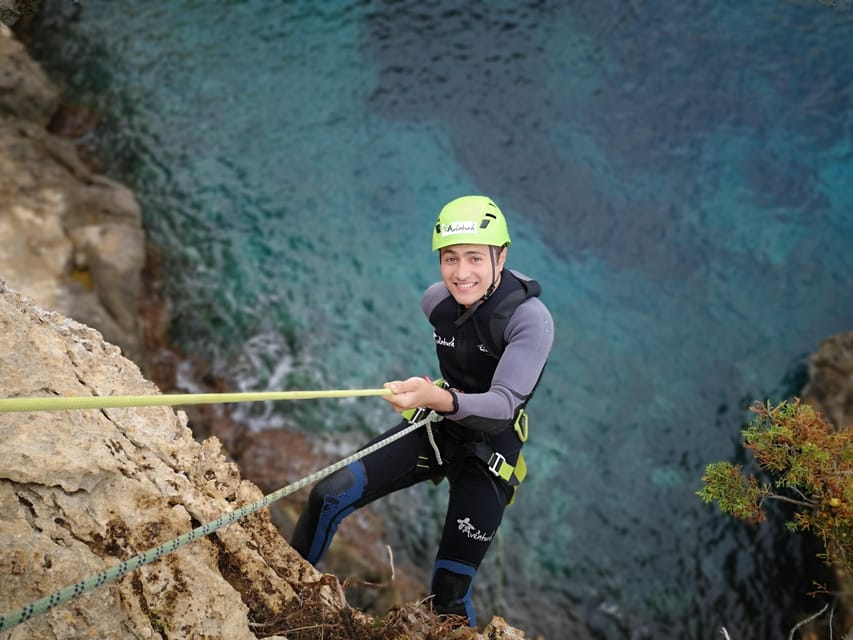
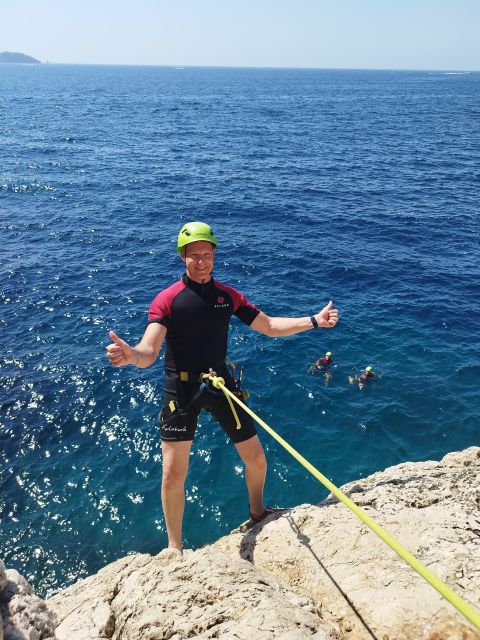
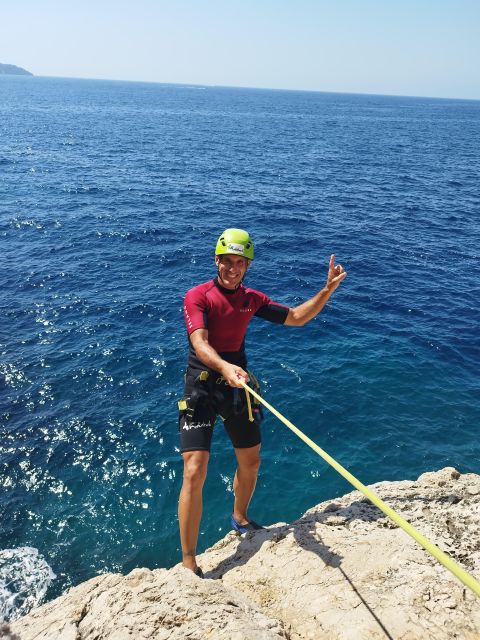
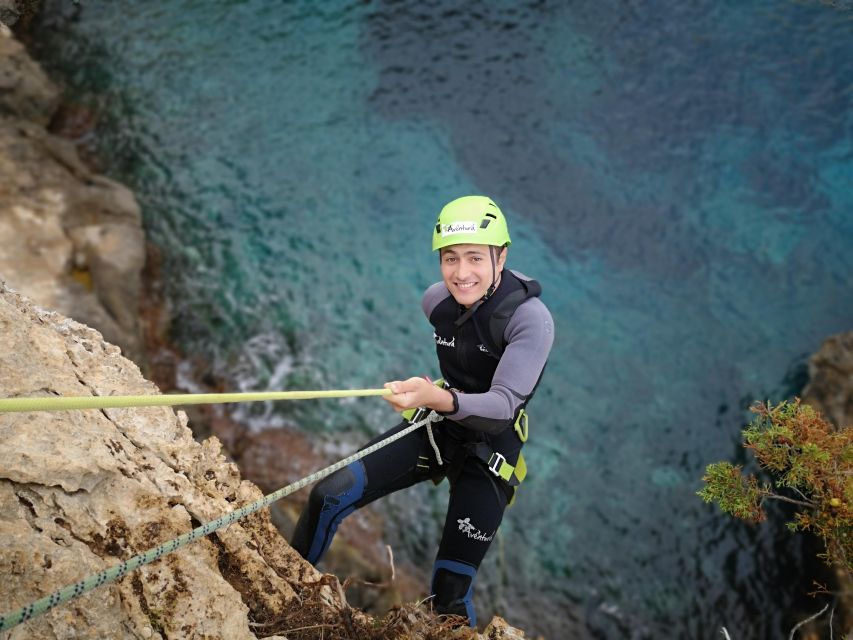
- Abseiling about 10 meters: You’ll practice controlled movement down from a cliff with safety systems in place.
- Zipline to the sea: A fast, fun finish that swaps scrambling for pure adrenaline.
- Small group, English/Spanish guidance: Limited to 10 participants, with instruction in English or Spanish.
- Safety-first flexibility: If conditions change, your guide can adjust the route; sometimes big moves can be skipped.
Why Coasteering South Near Peguera Feels Like a Summer Workout
This isn’t a slow coastal stroll. Coasteering south is built around repeated action: short walks, then you hit a series of water-and-cliff moments close to Peguera, near Calvià. In practical terms, that means you stay busy. Your brain doesn’t have time to get bored, and your body keeps moving.
The best part is the variety in one 3-hour window. You’re not just jumping—you’re doing cliff jumps, then switching to rope-free climbing over water (psicobloc / DWS), and later adding abseiling and a zipline. It’s a great way to enjoy Mallorca’s sea without committing to a full-day active trip.
The only real drawback is comfort level. You need to swim well, and you should be ready for stretches where you can’t simply stand in shallow water. One clear lesson from real on-the-ground experience: if you get nervous about open-water swimming, this can feel more intense than you expected.
Scramble, leap and swim, more coasteering


Meeting at Hotel Coronado Thalasso and Spa: Logistics That Matter
Your start point is very specific and easy to find: meet at the end of the parking area St. Cala Fornells, next to Hotel Coronado Thalasso & Spa. Your guide will be waiting there, and from there you head into the Peguera area for the activity.
The tour is designed for a small group—up to 10 participants—so you’re not shuffling around with a huge crowd. That matters when you’re changing gear, getting briefed, and moving to multiple jump or climbing spots.
It’s also a smart location choice for this kind of coast adventure. Peguera sits close enough to Calvià that you avoid long transfer time, which helps keep the overall session at around three hours instead of turning into a half-day commute.
Safety Briefing and Gear: What You Should Expect to Handle
Before anything fun happens, you’ll get a safety briefing in Peguera. This is where the guide explains how the circuit works and what each activity involves—especially the parts that can feel intimidating, like abseiling and higher jumps.
Gear is included as part of the experience fee, and the program emphasizes high-quality safety equipment. For this type of coastal activity, that’s not a minor detail. When you’re moving from cliff to water, you want systems that are built for real use, not just rental showpieces.
You still need to show up ready to be wet. Bring swimwear, a towel, sunscreen, and water. Alcohol and drugs are not allowed, and littering is a no-go. Simple rules, but they make a difference on a rugged shoreline where cleanup and shared responsibility matter.
One practical tip: bring your own booties with a rubber sole if you can. If you can’t, they’ll provide them. That rubber grip can make the walking portion and entry/exit much less stressful.
Walking and Hiking Between Stops: Where the Time Actually Goes
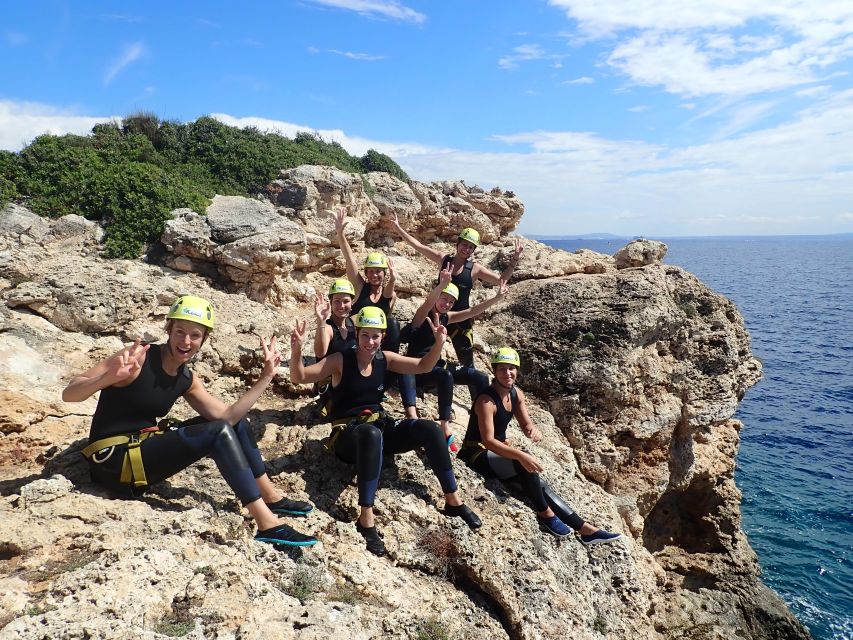
The session includes movement on foot. After the safety talk, there’s a short walk (about 10 minutes), and then you spend most of the time hiking to reach the best spots for the jumps and rope-free climbing sections.
Here’s the honest way to think about pacing: the focus is on the water/cliff activities, not on long, scenic hiking. If you’re hoping for a lot of slow coastline exploring, you may find the time feels more concentrated on getting from one “moment” to the next.
That concentration is also the advantage. In a three-hour window, you get to experience several techniques without your day feeling broken up. You’ll get views along the way, but the schedule is built to keep you active and doing things.
Because the route can be adjusted for safety, don’t assume every exact segment will be identical every time. If sea conditions change, your guide may modify the plan—especially near caves or more exposed areas.
- Palma: Cathedral of Mallorca Skip-the-Line Entry Ticket★ 4.6 · 14,386 reviews
- Palma de Mallorca: 5-Hour Catamaran Cruise with Lunch & Swim★ 4.5 · 9,957 reviews
- Porto Cristo: Caves of Hams Entry Ticket★ 4.2 · 6,548 reviews
- Palma de Mallorca: City Sightseeing Hop-On Hop-Off Bus Tour★ 4.1 · 4,450 reviews
- Mallorca: Island Tour with Boat, Tram & Train from the South★ 4.4 · 3,888 reviews
Five Sea Jumps, 2 to 8 Meters: Learning Heights With Real Guidance
The biggest crowd-pleaser is the sequence of five jumps into the sea, each at a different height—from about 2 meters up to 8 meters. The height variety is a built-in ramp-up. You’re not thrown straight into the highest jump; you build comfort step by step.
Each jump also teaches a specific skill: water entry technique, timing, and how to reset your breathing quickly after impact. When you do multiple jumps in one outing, you’ll likely notice your confidence improving fast, especially after the first couple.
One thing to mentally prepare: the sea isn’t a swimming pool. Even if you’re not doing the highest jump, you still need to handle the water environment afterward. At times, your view of the bottom may be limited, and you can end up swimming a bit farther than you expected.
That’s why strong swimming ability matters. If you’re comfortable with open-water swimming and you can stay calm when conditions aren’t glassy, you’ll enjoy this part much more.
Psicobloc and DWS at Low Height: Rope-Free, but Not Carefree
After the jumps, the program includes a psicobloc / DWS traverse. Here’s what that means in plain terms: psicobloc is climbing without a rope at a maximum of about 2 meters from sea level, essentially over water where the goal is controlled movement right at the edge of the splash zone.
DWS (deep water soloing) is the bigger umbrella term, but your specific activity stays very close to sea level for the psicobloc portion described. Either way, you’re dealing with two challenges at once: grip on rock and your brain accepting that water is right below you.
This is one of those activities where preparation and mindset are everything. You don’t need to be a rock climber to enjoy it, but you do need to be comfortable with exposure and staying steady while you move over water.
And if you’re wondering whether you can opt out: the guide can adjust the experience if you don’t want to do certain elements like jumping from higher places, abseiling, or the zipline. That flexibility can make this adventure accessible for more people—if you still meet the main requirement: you can swim well.
Abseiling About 10 Meters and the Sea Zipline Finish
Next comes abseiling about 10 meters. That height sounds dramatic because it is. The value of having it built into the same tour is that you’ve already warmed up with jumps, so you’re not starting from zero adrenaline. You’ll feel the difference between “jumping in” and “controlling your descent,” which keeps the day from feeling repetitive.
After abseiling, you end with a zipline to the sea. This part is pure momentum: you trade scrambling and technique for speed and a straight line. It’s also a nice mental reset, because once you’re clipped in for a zipline, your body stops doing as much work and you get to enjoy the views.
If you’re the cautious type, you might want to mentally separate activities into categories:
- Skills that require swimming and water comfort (jumps, DWS/psicobloc)
- Skills that require vertical movement (abseiling)
- Skills that are mostly fast adrenaline (zipline)
That way, you can decide which parts matter to you most. If you don’t want the abseiling, zipline, or higher jumps, the guide can adjust.
Also, expect that instruction is practical. In one set of German-speaking groups, the guide named Maria made a strong effort to explain steps in German. That kind of extra communication matters when you’re learning movement you might not have tried before.
Price and Value for About $77: What You’re Really Paying For
At around $77 per person for about 3 hours, the price makes sense because you’re not just paying for one thrill. You’re paying for a whole packet:
- Five sea jumps
- psicobloc / DWS traverse
- abseiling about 10 meters
- zipline to the sea
- Safety gear and an instructor-led circuit
- Stunning views that come with the coast you’re using
This is where value shows up. A single activity like one abseil or one zipline might cost similar money on its own. Here, you’re doing multiple disciplines in one day, in one area close to Peguera, with a guide managing timing and safety.
The main thing you should account for is what’s not included. Food and drinks aren’t included, so you’ll want to plan a snack or meal before you go and make sure you bring water. Also, you’re buying into a physical, wet, outdoor experience—if you hate getting your hair wet or you’re not a confident swimmer, the value drops because the experience may not feel enjoyable.
What Might Feel Hard: Swim Skill, Open Water, and Focus on Action
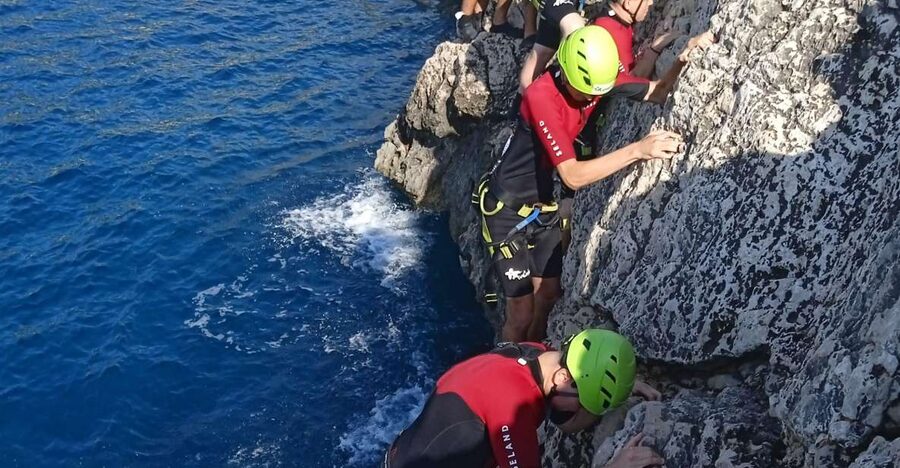
Let’s talk honestly about the “considerations” part, because it’s the difference between loving this day and feeling stressed.
First: you must be a good swimmer. The sea portions can involve longer swims, and conditions like wind or small waves can change how you move through water. Visibility might not be great, and in at least some setups, you can find yourself without the guide right beside you while they handle preparation or gear adjustments.
Second: the tour’s energy is mostly concentrated on jumps and vertical sections. Some people prefer more coastline scrambling and less time focused on jump cycles and abseiling practice. If that’s your style, you might find the day feels more action-heavy than nature-walk-heavy.
Finally: conditions can change. The operator may cancel for safety or adjust the route if the sea makes access unsafe. On those days, don’t treat the plan like a guarantee of every exact move.
Who Should Book This Coasteering Circuit (and Who Should Skip)
This experience is a strong match if you:
- are comfortable in the ocean and can handle open-water swimming
- like trying multiple activities in one session
- want a guided day with high-quality safety gear
- are okay with getting wet and moving fast between stops
- enjoy heights and controlled exposure
It’s not a match if you:
- are pregnant (not suitable)
- can’t swim (not suitable)
- have no interest in jumping, abseiling, or being near water during climbing
If you’re unsure about the hardest elements, the good news is you can often skip some components. The guide can adjust if you don’t want the abseiling, zipline, or jumping from high places—so you can still do parts of the circuit that feel right.
Should You Book Coasteering South Near Calvià?
Book it if you want a compact, intense Mallorca sea day where you do five jumps plus psicobloc/DWS, abseiling, and a zipline, all with gear and instruction handled for you. You’ll likely leave feeling like you learned real coastal-adventure skills, not just watched someone else do the work.
Think twice if your comfort in open water is shaky or if you strongly prefer long hiking with lots of time on land. This tour is built for movement and water skills first.
If you’re a capable swimmer and you like the idea of a small-group circuit with safety gear and multiple disciplines, coasteering south near Peguera is one of those summer activities that fits perfectly into the rhythm of the island. Just bring proper swim gear, be honest about your swimming level, and let the guide set the pace.
FAQ
Where is the meeting point?
Meet at the end of parking St. Cala Fornells next to Hotel Coronado Thalasso & Spa. Your guide will be waiting there.
How long is the activity?
The experience lasts about 3 hours.
How many people are in the group?
It is a small group limited to 10 participants.
What languages does the instructor speak?
The instructor speaks English and Spanish.
What activities are included?
You’ll do 5 sea jumps (2–8 meters), a psicobloc / DWS traverse, abseiling about 10 meters, and a zipline to the sea.
Do I need to be able to swim?
Yes. This activity is not suitable for non-swimmers.
What should I bring?
Bring swimwear, a towel, sunscreen, and water.
Are booties required, and are they provided?
It’s recommended to bring your own booties with a rubber sole. If you cannot bring them, the provider can provide them.
Can I skip parts like abseiling, zipline, or jumping?
Yes. If you do not want to do abseiling, zip-line, or jumping from high places, you can skip it or the guide can adjust it to your needs.
What happens if sea conditions make a route unsafe?
If sea conditions make access to a cave unsafe, the guide may adjust the schedule or modify the route. No refunds are issued in that case.
More Mallorca Trips, Reviewed
- Palma: Cathedral of Mallorca Skip-the-Line Entry Ticket
★ 4.6 · 14,386 reviews - Palma de Mallorca: 5-Hour Catamaran Cruise with Lunch & Swim
★ 4.5 · 9,957 reviews - Porto Cristo: Caves of Hams Entry Ticket
★ 4.2 · 6,548 reviews - Palma de Mallorca: City Sightseeing Hop-On Hop-Off Bus Tour
★ 4.1 · 4,450 reviews - Mallorca: Island Tour with Boat, Tram & Train from the South
★ 4.4 · 3,888 reviews - Palma de Mallorca: Half-Day Catamaran Tour with Buffet Meal
★ 4.5 · 3,190 reviews
Cliffs, Leaps and Swims
- Mallorca: Kayaking, Sea Cave, Cliff Jumping & Snorkel Tour
★ 4.8 · 1,447 reviews - Mallorca: Kayaking, Sea Cave, Cliff Jumping & Snorkel Tour
★ 5.0 · 769 reviews - Mallorca: Half-Day Coasteering Experience
★ 4.7 · 447 reviews - Estany d’en Mas: Coastal Hike, Abseil & Sea Cave Exploration
★ 4.9 · 162 reviews - Kayak Tour with Caves, Snorkeling and Picnic (+ Cliff Jump)
★ 5.0 · 118 reviews - Small-Group Cliff Jumping Experience in Mallorca
★ 5.0 · 84 reviews
Just Reviewed: Fresh Mallorca Trips

Coasteering & Cliff Jumping, compared.
 ★ 4.8Kayaking, Sea Cave, Cliff Jumping & Snorkel TourFrom $801,447 reviews
★ 5.0Kayaking, Sea Cave, Cliff Jumping & Snorkel TourFrom $83769 reviews
 ★ 4.7Half-Day Coasteering ExperienceFrom $88447 reviews
 ★ 4.9Estany d’en Mas: Coastal Hike, Abseil & Sea Cave ExplorationFrom $88162 reviews
 ★ 5.0Kayak Tour with Caves, Snorkeling and Picnic (+ Cliff Jump)From $83118 reviews
 ★ 5.0Small-Group Cliff Jumping Experience in MallorcaFrom $9084 reviews
 ★ 4.94-Hour Cliff Jumping AdventureFrom $8856 reviews
 ★ 5.0Coasteering in South Mallorca with TransfersFrom $9055 reviews
Browse the lists this tour appears in