
Reviewed · MUSEUMS
Els Calderers House Museum in Mallorca
Thirty rooms, one Mallorcan farmhouse, and real detail.
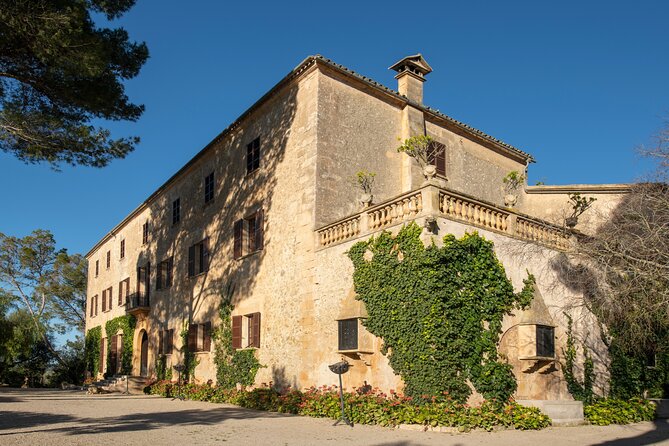
I love how Casa Museo Els Calderers takes you through an 18th-century-style estate one room at a time, and I love that the guide language is English. One thing to weigh: the outdoor animal pens can look bare, and animal welfare is where opinions split.
You meet at Museu Etnològic dels Calderers on Finca Els Calderers, then the tour loops back to the same spot. The group stays small (up to 15), it runs about 3 hours, and admission is included—plus free parking is part of the deal.
In This Review
- Key things to know before you go
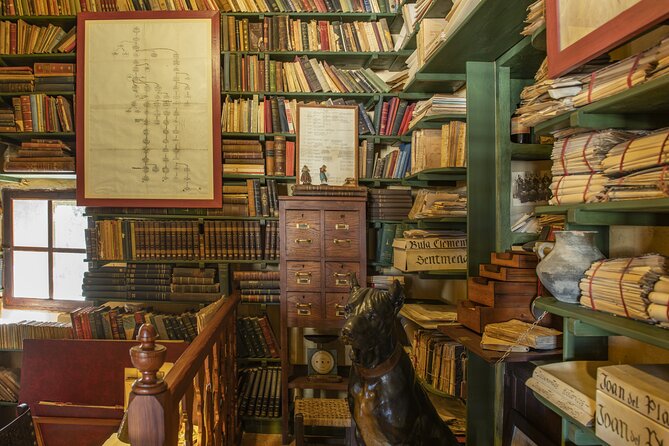
- Inside the house: chapel, cellar, and the priest’s world
- Bedrooms and estate order: common rooms, ironing, and daily routines
- Kitchens and laundry work: bread oven, peasant kitchen, and bar space
- Workshops and production: blacksmithing, machinery, pig slaughter room, and the mill
- Animal yards outside: why feedback is mixed and how to judge it yourself
- Value check: price, time, free parking, and the pacing fit
- Who this museum is best for (and who should think twice)
- Should you book Els Calderers?
- FAQ
- How long is the Els Calderers House Museum tour?
- What does the ticket price include?
- Is free parking included?
- What language is the tour offered in?
- How big is the group?
- Where does the tour start and end?
- Is private transportation included?
- Are service animals allowed?
- Will I get confirmation after booking?
- Can I get a full refund if I cancel?
Key things to know before you go
- 30+ rooms in one guided loop, covering home life and estate work
- English-guided tour that keeps the pacing easy to follow
- Small group size (max 15) for a calmer feel
- Bread oven, laundry, carpentry, blacksmithing, and mill work areas
- Animal yards outdoors where conditions can look different in person
- Free parking on site, so you can skip the stress if you’re driving
Inside the house: chapel, cellar, and the priest’s world
The first stretch is all about setting the mood. You start with the entry halls, then move into the Office of the Priest and the Chapel—spaces that quickly explain how strongly religion and daily routine were tied together on an estate like this. Even if you don’t speak much Spanish, the layout does the talking. It’s a practical way to understand social order through architecture.
Next comes the cellar area, which helps you picture food storage and preservation. That matters here because the rest of the tour keeps snapping back to how an estate actually functioned. One review even pointed out the interior feels cool, which is a nice bonus on warmer Mallorca days.
If you’re the kind of person who likes details, you’ll probably enjoy the way rooms are grouped by function and rank—rather than random viewing. That said, a couple of people noted the information sheet (in English) could feel a little confusing in places, with room numbering not always lining up perfectly. So I’d treat the guide as your map, not the paper.
Worth weighing up before you book this Mallorca trip:



Bedrooms and estate order: common rooms, ironing, and daily routines
From the early religious spaces, the tour shifts into lived-in estate life. You’ll pass through the main bedroom and the smaller dependencies around it—common rooms, dressing areas, and service-linked spaces. The stop that stood out for me is the toilet/ironer sequence (yes, that’s really part of the route). It’s not the most glamorous topic, but it’s exactly what makes house museums feel real instead of staged.
You also get a corridor moment that helps you understand movement through the house—who traveled where, and how space was arranged for the people who lived there versus those who worked around them. The tour then continues toward the more production-linked parts of the estate, which prevents the visit from feeling like only décor and display.
A small note from visitor feedback: the house is presented as an inhabited space with period objects, but a few people found the presentation a bit run-down in terms of dust or general upkeep. If that would bother you, come with the expectation that you’re visiting a working museum site in a rural setting, not a high-gloss showpiece.
Kitchens and laundry work: bread oven, peasant kitchen, and bar space
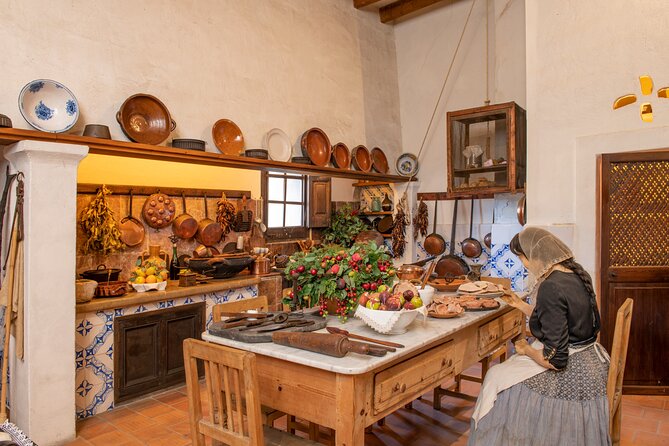
Mid-tour you start moving from private rooms into food and household labor. You’ll hit barns and bedrooms again in a structured way, then the Peasant Kitchen—an important contrast to the main household areas. This is where you’ll start seeing the estate as a mini economy: cooking, cleaning, storing, and feeding a whole community of workers and family.
After the kitchens come Toilets, Bar, Souvenirs, Bread Oven, and Laundry. Each one nudges your understanding in a slightly different direction:
- The bread oven and kitchen spaces make food feel tangible, not abstract.
- The laundry stop underlines that keeping a large household running was constant work.
- The bar and souvenir area add a modern touchpoint where you can pause and reset, even though you’re still inside the estate story.
One practical heads-up: a visitor mentioned the bar wasn’t set up to take card payments at the time of their visit. If you want drinks or small purchases, it’s smart to have some cash on hand.
Workshops and production: blacksmithing, machinery, pig slaughter room, and the mill
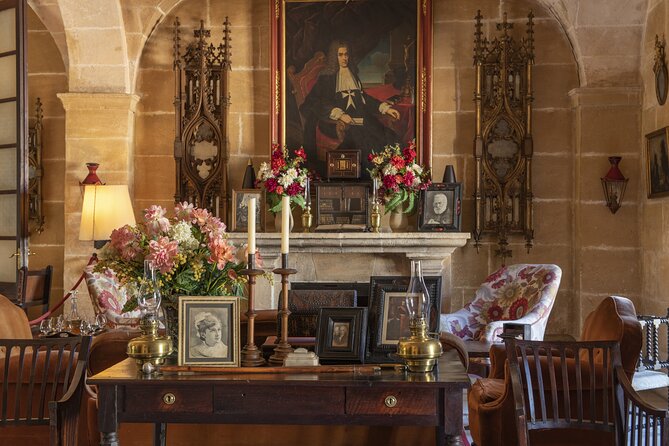
The final stretch is where Els Calderers turns from “beautiful old house” into something closer to a working-in-time capsule. You’ll reach carpentry and blacksmithing areas, which are some of the most satisfying stops if you like craftsmanship. These rooms help explain why estates were built for self-reliance—tools, repairs, and metalwork weren’t outsourced.
Then you move into machinery tied to Algarrobos and Almonds. This is the agricultural side of the tour, and it’s a good moment to pay attention to how the estate connects crops to tools. It’s also a reminder that Mallorca’s economy has long been tied to what the land can grow and process.
The tour continues to a pig slaughter room and then into corrals with different animals. That sequence can feel heavy for some people, so if you’re sensitive about animal processing, mentally brace for it. Immediately after, you’ll also find a Flour Mill and a corral specifically for equine animals, finishing with the Porch of carts and garnishes—basically the estate’s transportation and storage-world.
One more presentation note: a few comments pointed out certain animal husbandry or display areas felt neglected or less polished. Again, you’re not going for luxury finishes; you’re going for the structure and the story the rooms tell.
- Palma: Cathedral of Mallorca Skip-the-Line Entry Ticket★ 4.6 · 14,386 reviews
- Palma de Mallorca: 5-Hour Catamaran Cruise with Lunch & Swim★ 4.5 · 9,957 reviews
- Porto Cristo: Caves of Hams Entry Ticket★ 4.2 · 6,548 reviews
- Palma de Mallorca: City Sightseeing Hop-On Hop-Off Bus Tour★ 4.1 · 4,450 reviews
- Mallorca: Island Tour with Boat, Tram & Train from the South★ 4.4 · 3,888 reviews
Animal yards outside: why feedback is mixed and how to judge it yourself
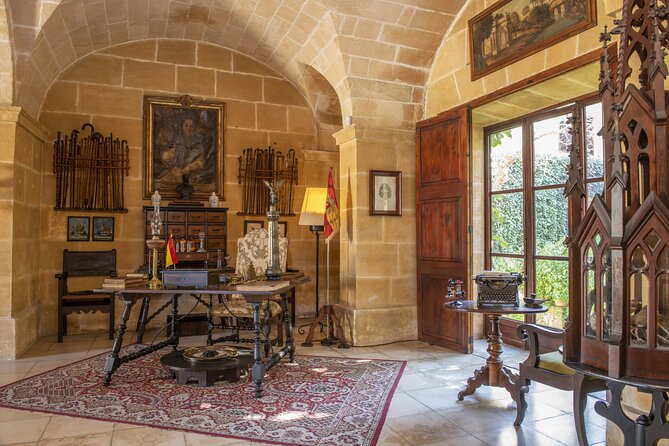
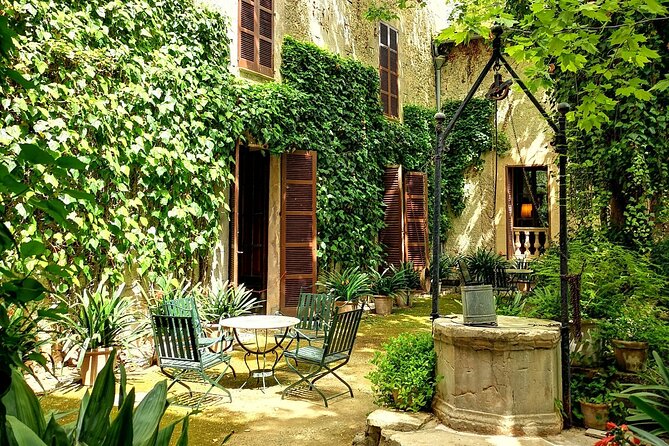
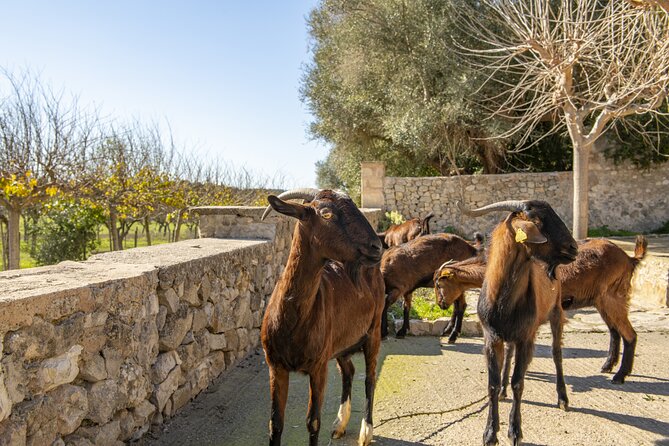
Let’s talk about the elephant in the courtyard. The house is often praised as beautiful, atmospheric, and peaceful. But the outdoor animals are the main reason some people love the place and others leave disappointed.
Here’s what you should expect. You’ll see horses, donkeys, cattle, pigs, and goats in outdoor pens. Some feedback describes pens as bare—concrete floors and minimal bedding—and for animal lovers that can dampen the experience. Another set of feedback argues that Mediterranean animal husbandry looks different from what people expect in cooler climates: less lush grass, but still shade, water, and routine turnout overnight into paddocks.
So what should you do with that? I’d judge it with your own eyes during your visit:
- Look for shade and water in the pens.
- Check whether animals appear alert and able to move comfortably.
- Notice whether enclosures look newly maintained versus visibly neglected.
Also keep your expectations realistic. This is not a sanctuary or a petting zoo setup. It’s a historical estate museum that uses farm animals to communicate how the property operated. That can be educational, but it also means the sight might not sit right with everyone.
There’s also at least one report of a dog on a chain near the property. If animal behavior issues stress you out, consider that before you go.
Value check: price, time, free parking, and the pacing fit
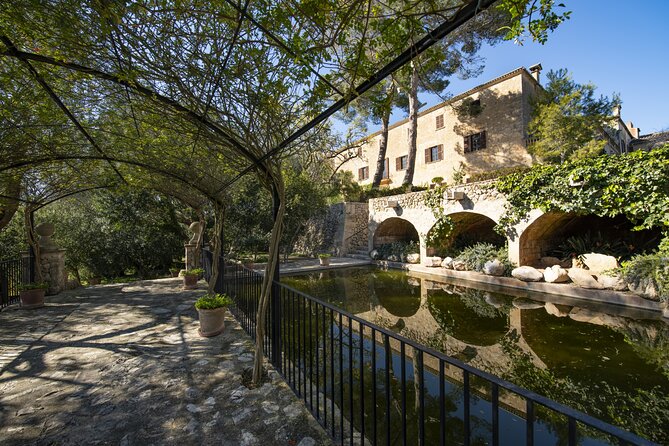
At about $10.81 per person for roughly 3 hours, Els Calderers is priced for a solid half-day of cultural sightseeing without a huge budget hit. Admission is included, and you get a real guided walkthrough rather than a quick self-tour.
Free parking is a big quality-of-life detail. If you’re renting a car or using a taxi-and-walk strategy, you’ll appreciate not having to figure out where to leave it. And since the tour caps at 15 people, it doesn’t feel like a cattle line. You’ll also likely get more time for questions, especially because the museum is room-dense and the story relies on explanation.
The other value driver is variety. You’re not just looking at interiors; you’re moving through kitchen/laundry functions, then workshops, then the agricultural production side, and finally the animal yards and cart area. That structure makes the price feel fair if you enjoy how things were actually done.
The drawback? A couple of people described the exhibition as slightly unkempt or in need of better presentation. If you want pristine surfaces and slick interpretive design, you might feel that friction. Still, the room-by-room flow is where the experience wins.
Who this museum is best for (and who should think twice)
This works especially well for you if:
- You like hands-on everyday history, not only grand rooms.
- You enjoy farms, tools, and the nuts-and-bolts of old estate life.
- You want a quieter, small-group guided visit in rural Mallorca.
It may be a harder fit if:
- Animal welfare is a dealbreaker for you in any setting. Even with shade and water, pen conditions can look harsh to some eyes.
- You get bothered by dusty displays, confusing signage, or uneven upkeep. There are mixed notes on presentation quality, so go mentally prepared.
If you’re traveling with kids, it could be interesting for the variety of spaces and farm elements—but be sure they can handle topics like animal processing mentioned by the room sequence.
Should you book Els Calderers?
I’d book Els Calderers if you want an authentic-feeling estate museum where the visit has real structure: religious spaces, bedrooms and household routines, bread and laundry work, then workshops and production, followed by animal yards and carts. The price and free parking make it easy to justify, and the English guide plus small group size keeps it from feeling rushed.
I wouldn’t book on impulse if you’re strongly sensitive to outdoor animal pens or you need everything to look spotless. In that case, consider your comfort level carefully before committing.
FAQ
How long is the Els Calderers House Museum tour?
The tour lasts about 3 hours.
What does the ticket price include?
Admission is included in the experience price.
Is free parking included?
Yes. Free parking is included.
What language is the tour offered in?
The tour is offered in English.
How big is the group?
The tour has a maximum of 15 travelers.
Where does the tour start and end?
It starts at Museu Etnològic dels Calderers (Finca Els Calderers Camino, Els Calderers, 07240 San Juan, Illes Balears, Spain) and ends back at the same meeting point.
Is private transportation included?
No. Private transportation is not included.
Are service animals allowed?
Yes, service animals are allowed.
Will I get confirmation after booking?
Confirmation will be received at the time of booking.
Can I get a full refund if I cancel?
Yes, you can cancel for a full refund up to 24 hours in advance.
Mallorca Indoors
- Manacor: Rafa Nadal Exhibition Entry Ticket
★ 4.6 · 836 reviews - Skip the Line: Rafa Nadal Museum Xperience
★ 4.0 · 196 reviews - Palma: tickets for the FoKO immersive gallery
★ 4.8 · 41 reviews - Alcudia: Museum Sa Bassa Blanca Entry Ticket
★ 4.5 · 30 reviews - MUCBO | Sóller Botanical Garden – Balearic Museum of Natural Sciences
★ 3.2 · 9 reviews - Rafa Nadal Xperience Museum with Private Transport from Mallorca
★ 4.5 · 7 reviews
More Mallorca Trips, Reviewed
- Palma: Cathedral of Mallorca Skip-the-Line Entry Ticket
★ 4.6 · 14,386 reviews - Palma de Mallorca: 5-Hour Catamaran Cruise with Lunch & Swim
★ 4.5 · 9,957 reviews - Porto Cristo: Caves of Hams Entry Ticket
★ 4.2 · 6,548 reviews - Palma de Mallorca: City Sightseeing Hop-On Hop-Off Bus Tour
★ 4.1 · 4,450 reviews - Mallorca: Island Tour with Boat, Tram & Train from the South
★ 4.4 · 3,888 reviews - Palma de Mallorca: Half-Day Catamaran Tour with Buffet Meal
★ 4.5 · 3,190 reviews
Just Reviewed: Fresh Mallorca Trips


Museums, compared.
 ★ 4.6Manacor: Rafa Nadal Exhibition Entry TicketFrom $10836 reviews
 ★ 4.0Skip the Line: Rafa Nadal Museum XperienceFrom $20196 reviews
 ★ 4.8Palma: tickets for the FoKO immersive galleryFrom $2041 reviews
 ★ 4.5Alcudia: Museum Sa Bassa Blanca Entry TicketFrom $1430 reviews
 ★ 5.0Foko Immersive Gallery TicketFrom $2014 reviews
 ★ 3.2MUCBO | Sóller Botanical Garden – Balearic Museum of Natural SciencesFrom $109 reviews
 ★ 4.5Rafa Nadal Xperience Museum with Private Transport from MallorcaFrom $7187 reviews
Browse the lists this tour appears in